


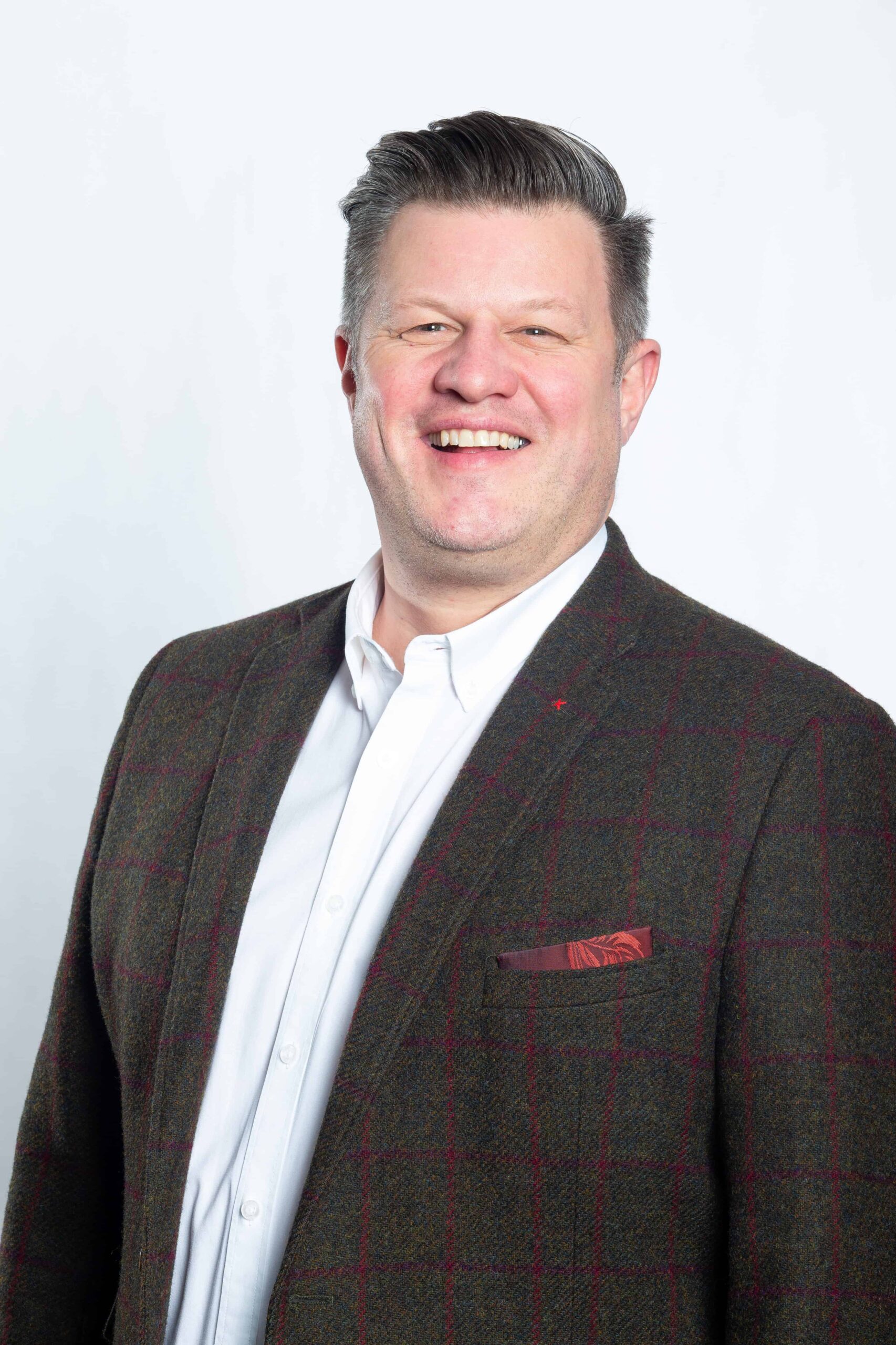
As Interclass moves towards its 50th anniversary in 2026, its reputation as a trusted regional contractor has been built on more than delivery alone. At the heart of the business is a clear philosophy: buildings exist for people, and construction should leave a positive, lasting impact on the communities it serves.
We spoke with Managing Director Des O’Neill about how that principle shapes Interclass’s work, from heritage restoration and healthcare to skills development, transparency, and leadership.
Interclass often talks about “building communities, not just structures.” What does that really mean in practice?
For us, every project has a purpose, and it’s our job to understand what that purpose is as early as possible. We take time to listen, engage, and build relationships with the people and communities who will be affected by what we’re building. That means open, honest conversations and involving all stakeholders wherever possible.
At the end of the day, buildings are for people. If we’ve created something that genuinely makes life better for the people who use it, and we’ve had a positive social, economic and environmental impact in the local community as well, then we’ve done our job.
Which recent projects best demonstrate how Interclass creates lasting social impact?
I like to think every project we work on leaves a positive legacy, but there are a few that really stand out.
The Guildhall in Walsall is a great example. It’s a beautiful Grade II* listed building that’s been empty since 2014, and we’re restoring it to become a Creative Industries Enterprise Centre for local artists, designers and small businesses. It’s going to be a real hub for the town. Alongside the physical restoration, we’ve delivered real social value during construction – hosting student site visits, running employability workshops, and working with local people and businesses wherever we can.
Another project we’re really proud of is the new indoor market at West Bromwich, which opened earlier this year. It’s going to play a big role in the future of the town centre and gives traders and shoppers a space they can genuinely feel proud of. Knowing the difference it will make to local people and businesses feels really special.
Harplands Hospital is also hugely important to us. It’s set a new standard for mental health care environments and really shows what true partnership working can achieve. Creating a safe, respectful space that protects the dignity and wellbeing of everyone who uses it is something we care deeply about.
Skills shortages are a major challenge for the sector. How is Interclass supporting the next generation?
Developing young talent has always been part of who we are. We’ve supported apprenticeships and training for decades, and we’re big believers in showing young people just how many opportunities construction has to offer.
We regularly visit schools and colleges to highlight the huge variety of career paths available and challenge some of the outdated stereotypes about what a career in construction looks like. More recently, we’ve also started hosting T Level placements, giving students the hands-on experience they need to complete their qualification.
It’s an exciting industry to be in, and there are so many roles that simply can’t be replaced by AI. We want young people to see long-term, meaningful careers here.
Public trust is vital in regional construction. How do you ensure transparency and accountability?
Honest communication is everything. Clients trust us because we’re upfront. If something isn’t achievable, we’ll say so, and we’ll work together to find a solution that is.
One example is a current education project for Birmingham City Council, where we’re reroofing both a primary and SEND school while they remain operational. We were open from the very start about the challenges, costs and programme implications. By working collaboratively, we’ve been able to deliver a safe, efficient solution that meets the schools’ needs. That transparency builds lasting relationships and real long-term value.
How do you balance programme and budget pressures while ensuring buildings actually work for users?
From the very beginning, we spend time with the people who’ll actually use the space – teachers, nurses, students, community groups – to understand what really matters to them day to day. It’s about listening, asking the right questions, and designing based on real needs, not assumptions.
We work closely with clients and design teams to make sure functionality stays front and centre rather than becoming an afterthought. Harplands Hospital is a good example of that approach. The ward design was shaped around the wellbeing of both service users and healthcare professionals. Communal areas sit at the heart of the ward to encourage connection, with staff spaces located nearby to support safe, efficient care. Inclusivity and accessibility were considered throughout, from wheelchair-friendly rooms to carefully planned facilities that create a calm, supportive environment.
Interclass works across long-term partnerships. What sustains those relationships?
Relationships are everything in this industry. Construction is inherently collaborative, and because we operate regionally, we often work with the same consultants, design teams and supply chain partners time and again.
Our success over the past 50 years has been built on trust, reliability and being easy to work with. People know that when they work with Interclass, they’re working with a team that delivers and genuinely cares about doing the right thing.
How is sustainability shaping the way Interclass builds today?
We’re very conscious of the impact construction has, so we’re always looking at how we can do things better. On every project, we consider ways to reduce environmental impact through efficient design, responsible sourcing, waste reduction and carbon-conscious construction methods.
We also focus heavily on long-term building performance. That means ensuring buildings are energy efficient, easy to maintain and built to last. Sustainability isn’t a bolt-on for us, it’s part of how we think from the outset.
As Managing Director, what leadership principles guide your approach?
My role is to support, empower and trust our team. They’re experts in their respective fields, and I employ people because I believe in their ability. I try to lead by example and be visible, approachable and fair.
At Interclass, we work as one team. We’ve built a culture where everyone has a voice and everyone shares responsibility for our success. When people feel valued, supported and that they belong, they deliver their best work.
Looking ahead to Interclass’s 50th year in 2026, what opportunities and challenges do you see?
There are definite challenges ahead – skills shortages, increasing risk being passed onto contractors, and ongoing pressures around delivery. But there’s also a lot to be positive about.
We have a real opportunity to attract new talent and continue proving that regional contractors can deliver high-quality projects with genuine social impact. For us, it’s about staying true to our values, building with purpose, and always putting people at the heart of what we do.