


There is a moment, often before the day properly begins, that quietly defines everything that follows.
For senior leaders, it is rarely dramatic. No grand decisions, no boardroom intensity. Just a cup in hand, a pause before the noise. Yet increasingly, it is here, in this overlooked window, that a new kind of performance advantage is being built.
The modern executive is no longer simply managing time. They are managing energy. Clarity. Focus. Longevity. And in that recalibration, the smallest rituals are becoming the most powerful.
It is within this context that brands like Feel Reformed are finding their place. Not as supplements in the traditional sense, but as part of a broader shift in how high performers approach daily life.
Because the reality is simple. The demands placed on senior leaders have never been higher. Decision velocity has increased. Attention is fragmented. The expectation to operate at a consistently high level, mentally and physically, is relentless. What has changed is how leaders are responding.
The old model relied on endurance. Long hours, high caffeine, constant output. It was effective, to a point. But it was not sustainable. And more importantly, it was not optimal.
Today’s most effective leaders are not chasing intensity. They are engineering consistency.
That shift begins with something deceptively straightforward. What you put into your body at the start of the day.
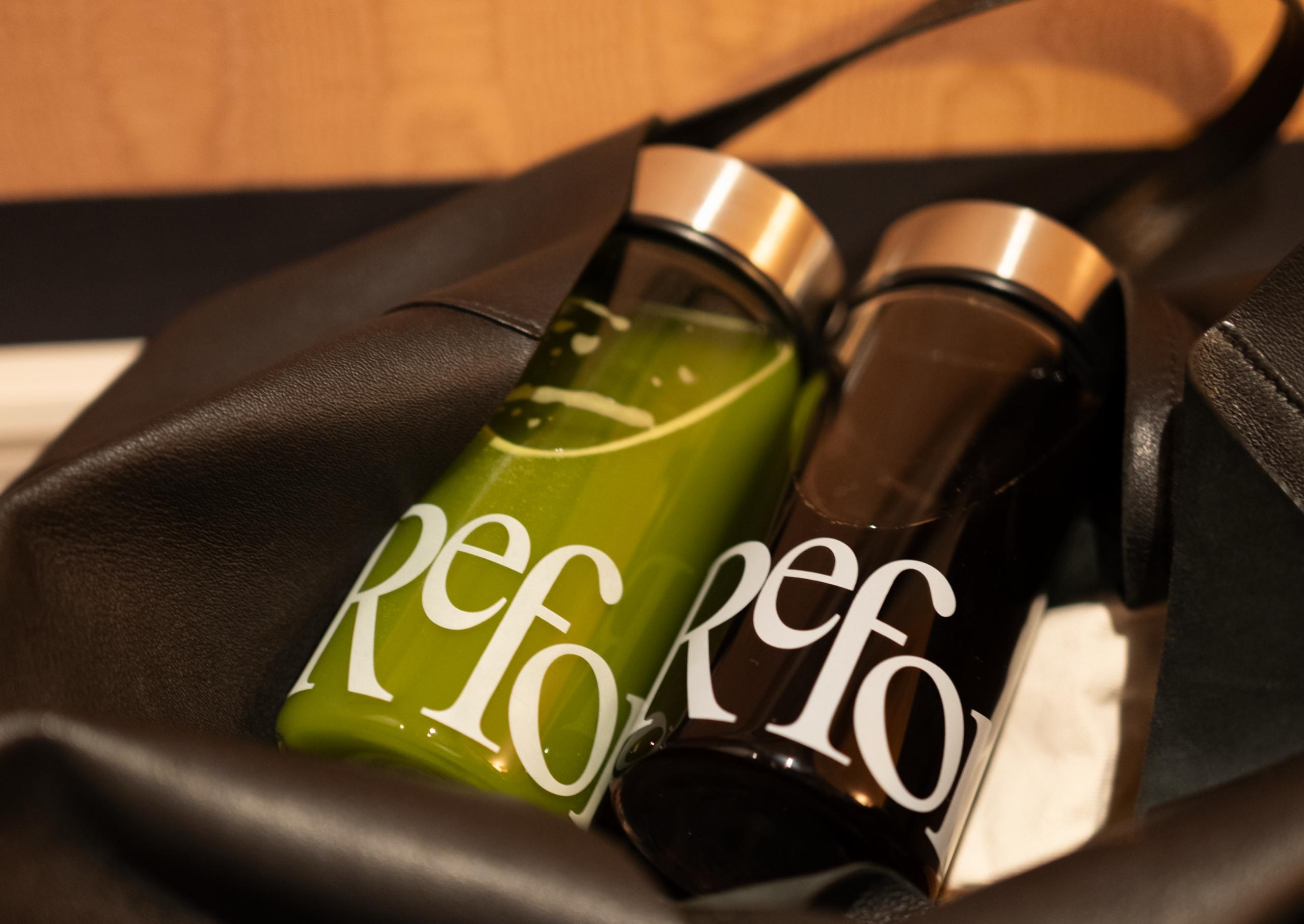
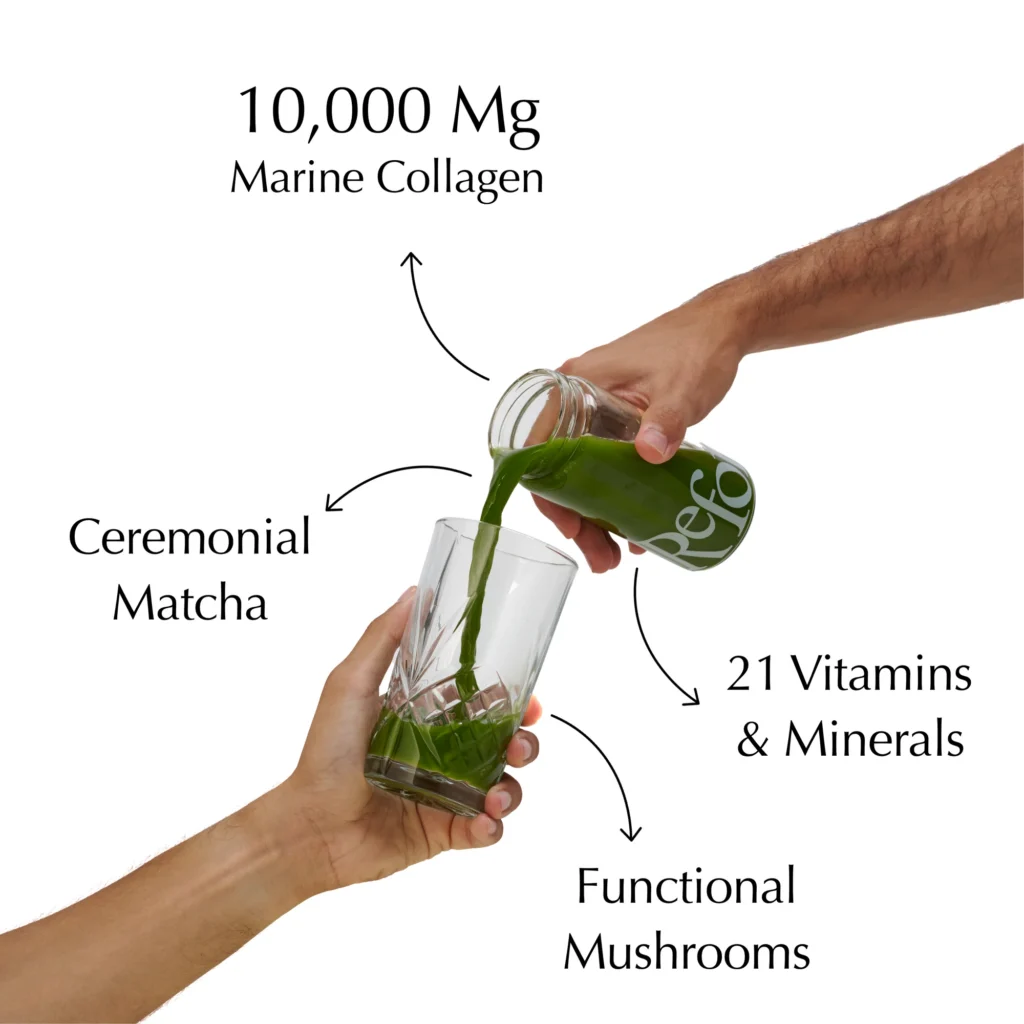
Feel Reformed positions itself around what it calls “foundational health”, a phrase that, at first glance, feels understated. But that is precisely the point. Rather than layering complexity, the brand simplifies. Its core offering blends coffee or matcha with collagen, adaptogens and essential nutrients, designed to support energy, focus and recovery in a single, integrated ritual.
It is not the concept itself that is new. Functional beverages have existed for years. What is different here is the framing. This is not positioned as a performance spike, but as a baseline upgrade.
For senior leaders, that distinction matters.
The difference between a short burst of energy and sustained cognitive clarity is the difference between reacting and leading. Between being busy and being effective. And increasingly, that gap is where competitive advantage lives.
There is also something more subtle at play. Simplicity.
Executives operate in environments defined by complexity. Decisions layered on decisions, systems on systems, demands from every direction. The last thing they need is another complicated routine.
The appeal of something like Feel Reformed is that it integrates effortlessly. One product, one habit, minimal friction. It replaces rather than adds. Coffee becomes more than coffee. A morning routine becomes an anchor.
That ease is not incidental. It is deliberate. The brand’s philosophy centres on wellness that is “effortless, impactful, and beautifully designed,” an approach that aligns closely with how modern luxury is evolving.
Because this is not just about health. It is about lifestyle.
Senior leaders today are curating their lives with the same precision they apply to their businesses. Every element is considered. From the spaces they inhabit to the brands they align with, there is a clear movement towards cohesion.
In that context, wellness is no longer a separate category. It is embedded.
The rise of brands like Athletic Greens, Huel and now Feel Reformed reflects a broader trend. A shift towards solutions that collapse multiple needs into a single, elegant format.
But what distinguishes the newer generation of these brands is their attention to experience.
Taste matters. Ritual matters. Design matters.
The product is not simply consumed. It is incorporated.
And that is where the connection to leadership becomes more interesting.
High performance, at its core, is about repeatability. The ability to show up, day after day, at a consistent level. Not reliant on mood, or circumstance, or external pressure. But built on systems that support it.
For many executives, the morning is the only part of the day they fully control. Once it begins, the demands take over. Meetings, calls, decisions, interruptions. The structure dissolves.
So the question becomes, how do you anchor it?
For some, it is exercise. For others, reading, or time with family. Increasingly, it is also nutrition. Not in the traditional sense of dieting or restriction, but in terms of optimisation.
Users of products like Feel Reformed frequently point to improvements in focus, sustained energy and reduced “brain fog,” suggesting that the impact is felt not just physically, but cognitively.
That cognitive element is critical.
Leadership is not a physical game. It is a mental one. The ability to process information, to prioritise, to make decisions under pressure. Anything that supports that process, even marginally, becomes valuable.
This is where the concept of marginal gains, often discussed in elite sport, begins to translate into business.
No single change transforms performance. But a series of small, consistent improvements compound over time.
A better morning routine. A more stable energy curve. Fewer distractions. Slightly clearer thinking.
Individually, they are subtle. Collectively, they are significant.
There is also a cultural shift underpinning all of this. A growing acceptance that looking after oneself is not indulgent, but essential.
For a long time, leadership culture rewarded sacrifice. Long hours, minimal rest, constant availability. The narrative was built around resilience.
But resilience without recovery is fragile.
The most effective leaders today are not those who push the hardest, but those who sustain the longest. And that requires a different approach.
It requires intention.
Brands like Feel Reformed sit neatly within this new paradigm. They are not selling an outcome. They are supporting a process.
A way of structuring the day. A way of thinking about input and output. A way of creating stability in environments that are anything but.
Of course, no product is a solution in itself. And there is a level of discernment required. As with any fast-growing wellness category, experiences vary. While many users highlight tangible benefits, others raise concerns around aspects such as subscription models or customer experience, a reminder that even within premium positioning, execution matters.
For a senior leader, that balance is familiar. Potential versus delivery. Promise versus performance.
But what is clear is that the direction of travel is set.
The future of leadership will not be defined solely by strategy or execution. It will also be shaped by how individuals manage themselves. Their energy. Their focus. Their wellbeing.
The lines between business performance and personal optimisation are becoming increasingly blurred.
And in that convergence, lifestyle becomes strategy.
The brands that succeed in this space will not be those that shout the loudest, but those that integrate the best. Those that understand the realities of modern leadership and design around them.
For the individual, the opportunity is quieter, but no less significant.
To step back. To reassess. To recognise that performance is not just built in meetings or metrics, but in moments.
A morning ritual. A small decision. A simple upgrade.
Not dramatic. Not visible. But over time, transformative.
Because in a world that demands everything, the leaders who last will be the ones who learn to manage what comes first.