



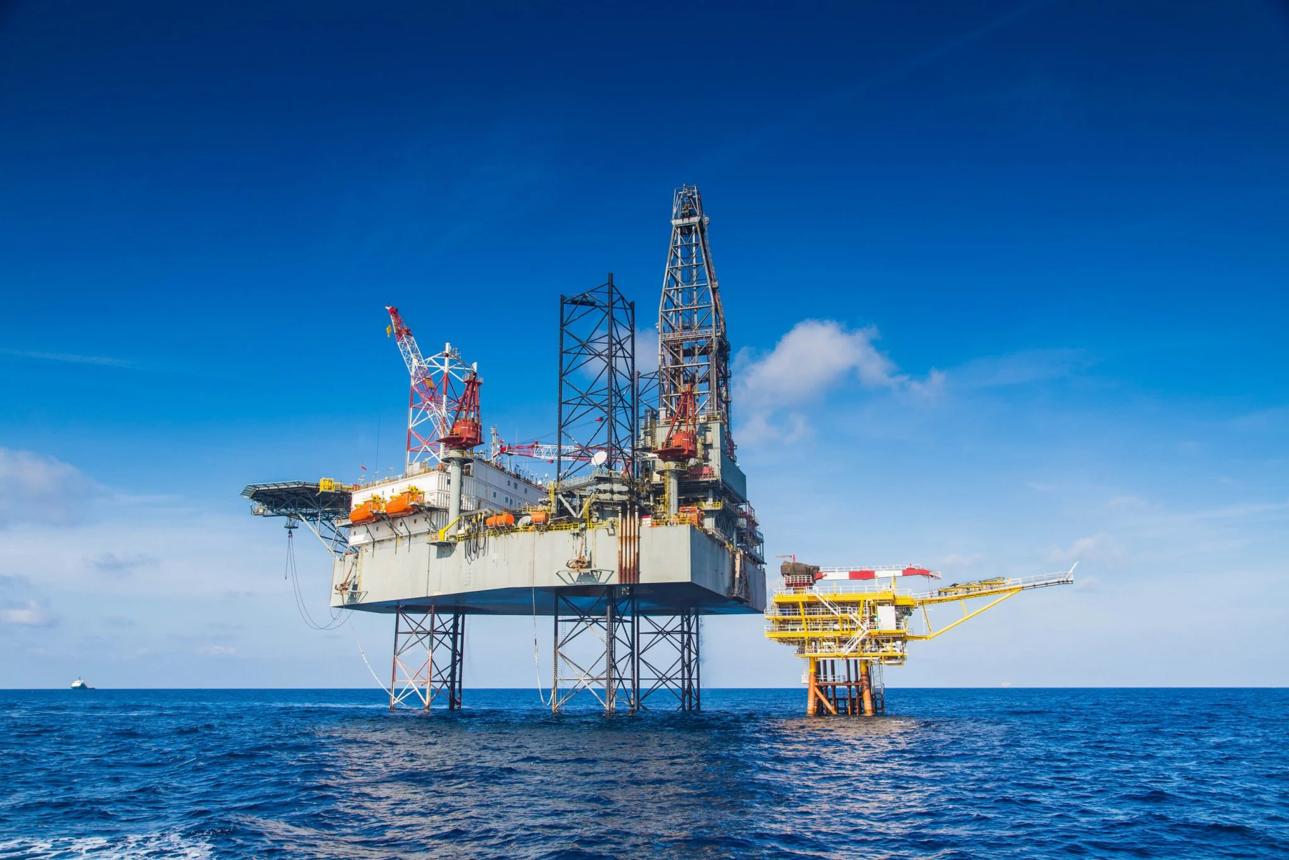
For decades, oil and gas development across Africa has been positioned as a pathway toward economic transformation. Governments, multinational energy companies and foreign investors have repeatedly framed fossil fuel expansion as a solution capable of delivering jobs, infrastructure, energy security and long-term prosperity across the continent.
But a newly highlighted report is now challenging that narrative, arguing that decades of extraction have delivered far fewer benefits to ordinary citizens than originally promised. The findings are reigniting a much broader debate around Africa’s economic future, energy independence and whether the continent risks becoming locked into a fossil fuel model just as much of the world begins accelerating toward renewable energy systems.
The report, examined by Mongabay, analysed 13 oil- and gas-producing African nations and concluded that large-scale fossil fuel extraction has often failed to create broad-based economic development. Instead, researchers argue the benefits have frequently remained concentrated among political elites, multinational corporations and narrow economic sectors, while many producing nations continue struggling with poverty, energy insecurity and infrastructure challenges.
At the centre of the conversation is a growing concern around long-term vulnerability. As global markets increasingly move toward decarbonisation, critics argue that heavy dependence on oil and gas exports may expose African economies to future instability, stranded assets and declining global demand.

The timing of the report is particularly significant. Global energy markets remain highly volatile following years of geopolitical instability, supply chain disruption and fluctuating commodity prices. While some African governments continue pushing aggressively for new oil and gas projects, the wider international investment environment is becoming increasingly divided between fossil fuel expansion and renewable energy transition strategies.
Supporters of continued oil and gas development argue that Africa should not be denied access to the same industrial growth pathways historically used by wealthier economies. Many African nations still face major electricity shortages, limited industrial infrastructure and severe development funding gaps. For those governments, fossil fuel exports remain one of the fastest available routes toward generating state revenue and attracting foreign investment.
At the same time, critics increasingly question whether that wealth genuinely reaches wider populations.
The report argues that many oil-producing nations remain heavily exposed to imported fuel costs, price shocks and external market dependence despite exporting large quantities of fossil fuels. In several cases, large extraction projects have generated limited domestic industrial diversification while also contributing to environmental degradation and social inequality.
The debate reflects a larger global tension around what a “just energy transition” should actually look like. Wealthier economies are increasingly pushing climate commitments and net-zero targets, yet many African leaders argue that development priorities cannot simply be paused while richer nations retain the benefits of decades of fossil-fuel-driven industrialisation.
That tension has become increasingly visible across international climate summits and investment negotiations. African policymakers continue calling for greater flexibility around energy development, particularly in countries where access to reliable electricity remains inconsistent or limited.
However, the report’s authors argue that renewable energy may ultimately offer stronger long-term economic opportunities for the continent. According to the analysis, renewable-led investment could potentially create significantly larger employment opportunities while also improving local energy access and reducing dependence on volatile global fossil fuel markets.
This is where Africa’s position becomes uniquely important within the global energy conversation.
The continent possesses some of the world’s strongest solar, wind and hydroelectric potential. Countries across North, East and Southern Africa are already attracting growing international investment into large-scale renewable infrastructure projects, battery storage systems and green hydrogen initiatives. Nations including Kenya, Morocco and South Africa are increasingly positioning themselves as future renewable energy leaders rather than purely fossil fuel exporters.

6
At the same time, fossil fuel investment across parts of the continent continues expanding. Offshore oil exploration in countries including Namibia, Senegal and Mozambique has intensified significantly in recent years as international energy firms search for new reserves. Supporters argue these discoveries could transform national economies if managed effectively.
Yet environmental groups and development analysts remain cautious.
One of the core concerns raised within the report is the historical “resource curse” phenomenon, where countries rich in natural resources sometimes experience weaker governance, higher inequality and slower long-term development compared to more diversified economies. Critics argue that without strong governance structures, oil wealth can easily become concentrated rather than broadly distributed across society.
The environmental implications are also becoming harder to ignore.
As climate change intensifies, Africa remains among the regions most vulnerable to rising temperatures, drought, flooding and agricultural disruption despite contributing relatively little to historic global emissions. Expanding fossil fuel production therefore creates a complex contradiction between short-term economic opportunity and long-term environmental vulnerability.
Public reaction to the report has also highlighted growing frustration around global economic imbalance. Discussions across environmental and political forums increasingly reflect concerns that multinational corporations often extract substantial wealth from African resources while local communities see limited improvement in living standards or infrastructure.
Still, the future is unlikely to be entirely binary.
Many analysts believe Africa’s next economic phase may involve a hybrid approach where oil and gas revenues are used strategically to accelerate renewable infrastructure, industrial development and domestic energy expansion. The key challenge will be whether governments can effectively convert resource wealth into diversified long-term economic resilience rather than remaining dependent on commodity exports alone.
That question may ultimately define Africa’s energy future more than the resources themselves.
What is becoming increasingly clear is that the global conversation around African energy development is changing. Fossil fuel expansion is no longer automatically being viewed as a guaranteed pathway toward prosperity. Investors, policymakers and environmental groups are increasingly scrutinising whether extraction-led growth models can genuinely deliver sustainable development in a rapidly evolving global economy.
And as renewable technology costs continue falling while international climate pressure intensifies, Africa’s long-term energy strategy may become one of the most important economic and geopolitical stories of the next decade.