



Luxury travel is changing. The era of excess-for-the-sake-of-excess is fading, replaced by something more intentional, experience-led and emotionally driven. Summer 2026 is not being defined by the loudest resorts or the most overexposed destinations. Instead, high-end travellers are increasingly searching for privacy, cultural immersion, slower pacing and environments that feel deeply personal rather than performative.
Across the luxury travel sector, one clear theme is emerging: travellers want meaning alongside comfort. They still expect exceptional hotels, seamless service and elevated experiences, but increasingly those elements are being paired with authenticity, wellbeing and exclusivity rooted in space rather than spectacle. Industry analysts and luxury travel specialists describe 2026 as a year where travellers are prioritising intentional journeys over crowded bucket-list tourism.
The destinations defining summer 2026 reflect exactly that shift.
Greece Continues to Evolve Beyond Traditional Luxury
Greece remains one of the most in-demand luxury destinations globally, but the way affluent travellers are experiencing the country is changing rapidly. While Mykonos and Santorini still attract international attention, many luxury travellers are now moving toward quieter islands and more curated experiences that prioritise privacy and atmosphere over visibility.
Boutique villas, private yacht itineraries and wellness-led coastal retreats are becoming increasingly dominant across the Greek islands. The focus is less about nightlife and more about intentional luxury: slower mornings overlooking the Aegean, private dining experiences, personalised sailing routes and highly curated hospitality designed around exclusivity rather than scale.

This shift reflects a broader movement happening across luxury travel where travellers increasingly want destinations that feel immersive and emotionally restorative rather than socially performative.
Japan’s Design-Led Luxury Moment
Japan is emerging as one of the defining luxury destinations of 2026, particularly among travellers seeking highly refined, design-forward experiences. Tokyo’s expanding portfolio of luxury hotels, combined with the country’s blend of tradition, technology and hospitality precision, is positioning Japan as one of the most sophisticated travel experiences globally.
What makes Japan particularly compelling is the balance between modernity and calm. Travellers are increasingly combining urban luxury in Tokyo and Osaka with slower, wellness-oriented escapes in Kyoto, Hakone and Hokkaido. The country’s hospitality sector continues leaning heavily into minimalism, craftsmanship and experiential detail rather than traditional extravagance.
For many high-end travellers, Japan now represents a form of “quiet luxury” where the experience is defined by atmosphere, precision and emotional depth rather than obvious displays of wealth.
The growing popularity of Japanese wellness travel, cultural immersion and architecture-led hospitality also reflects wider shifts happening throughout the premium travel industry.
Italy Remains Europe’s Luxury Powerhouse
Despite years of overtourism headlines, Italy continues dominating luxury travel conversations heading into summer 2026. However, travellers are increasingly navigating the country differently.
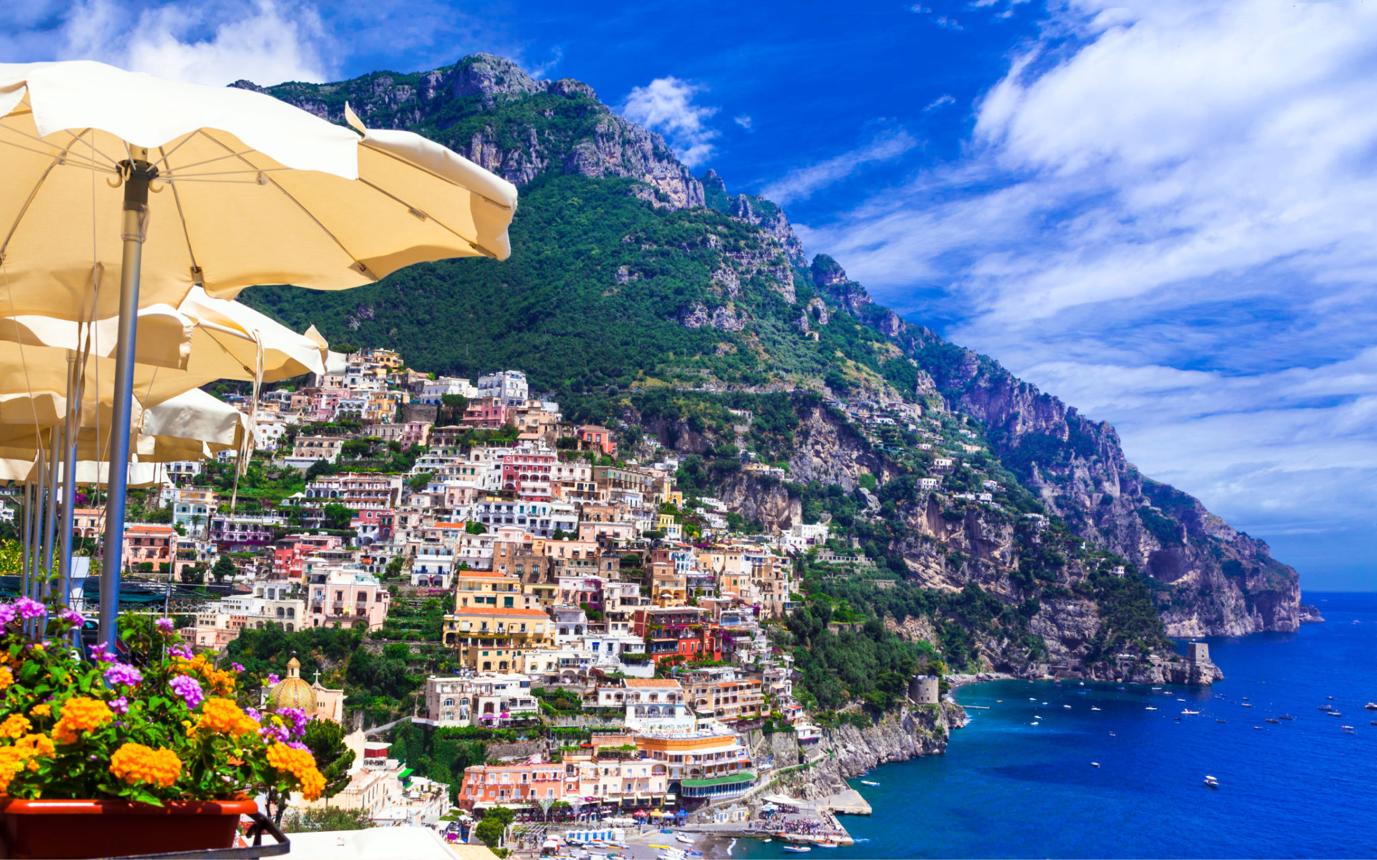
Rather than rushing between crowded hotspots, luxury travellers are now prioritising slower itineraries focused on fewer destinations, longer stays and deeper regional experiences. Sicily, Umbria and lesser-known coastal regions are seeing growing interest alongside established luxury centres like Lake Como and the Amalfi Coast.
Italy’s strength lies in its ability to combine heritage, gastronomy, design and hospitality within a single destination. Luxury travellers increasingly want experiences that feel emotionally connected to place, and Italy continues delivering that better than almost anywhere else in Europe.
At the same time, Italy’s luxury hotel sector is evolving rapidly. New design-led properties, wellness-focused resorts and ultra-private boutique concepts are reshaping the country’s premium hospitality landscape, particularly among younger affluent travellers seeking contemporary luxury rather than traditional formality.

Costa Rica and the Rise of Nature-Led Luxury
One of the most significant luxury travel trends of 2026 is the growing demand for nature-driven experiences that still deliver premium comfort and seamless logistics. Costa Rica has become one of the clearest examples of that movement.
Luxury travellers are increasingly seeking destinations that combine environmental immersion with sustainability, wellness and privacy. Costa Rica’s eco-luxury market has expanded dramatically as travellers prioritise rainforest retreats, wildlife experiences, private wellness lodges and low-density resorts that feel disconnected from mass tourism.
This reflects a much broader shift within luxury travel itself. Increasingly, travellers are defining luxury through space, calm, nature and emotional wellbeing rather than traditional status indicators.
The rise of sustainability-conscious luxury travel is also becoming impossible to ignore. Modern affluent travellers increasingly want experiences aligned with environmental responsibility and cultural authenticity without compromising service quality.
The Nordic Region’s Quiet Rise
Another major luxury movement emerging in 2026 is the rise of Nordic destinations as premium travel experiences. Luxury travellers are increasingly being drawn toward Norway, Finland, Iceland and Sweden for experiences rooted in nature, minimalism and exclusivity driven by geography rather than glamour.
Private fjord experiences, Arctic wellness retreats, glass-igloo hospitality and remote island stays are increasingly attracting travellers searching for quieter forms of luxury. The Nordic appeal lies in offering highly sophisticated infrastructure while still delivering emotional disconnection from overcrowded global tourism hubs.

This trend also reflects growing demand for what many travel analysts now describe as “meaningful exclusivity” — experiences that feel rare because of access, environment and atmosphere rather than overt luxury branding.
The New Definition of Luxury Travel
Perhaps the biggest shift defining summer 2026 is philosophical rather than geographical.
Luxury travel is increasingly becoming less about accumulation and more about curation. Travellers are prioritising fewer destinations, longer stays, highly personalised itineraries and emotionally memorable experiences over fast-paced, checklist-style tourism.
Wellness retreats, cultural immersion, design-led hospitality and private experiences are now shaping booking behaviour more than traditional luxury markers alone. Even ultra-high-net-worth travellers are increasingly prioritising authenticity, emotional connection and ease over conspicuous consumption.
The luxury traveller of 2026 wants privacy, but also presence. They want comfort, but also meaning. They want exclusivity, but without unnecessary spectacle.
And increasingly, the destinations defining the future of luxury travel are the ones capable of delivering all of those things simultaneously.