


Norse Group Chief Executive Officer Justin Galliford explains how an open, flexible partnership with its owner helps stretch public budgets, protect service quality, and prepare for a changing local government landscape.
Norse Group and Norfolk County Council share a long-standing relationship, and one that goes beyond ownership. “Ultimately, Norfolk owns us,” says Chief Executive Officer Justin Galliford, “but outside of that direct shareholding, we’ve always worked very closely with the council to support them with their service objectives” and with looking after the people of Norfolk.
He believes the work done with and for the council over the years has helped it deliver better services, and he points to the principles behind that: being open and transparent in how services are delivered, and being flexible enough that the council can vary its requests easily and the group can respond. Whether the task is managing road repairs, changing how school transport is delivered, or supporting property maintenance, that flexibility and transparency, he says, “gives good value for money.”
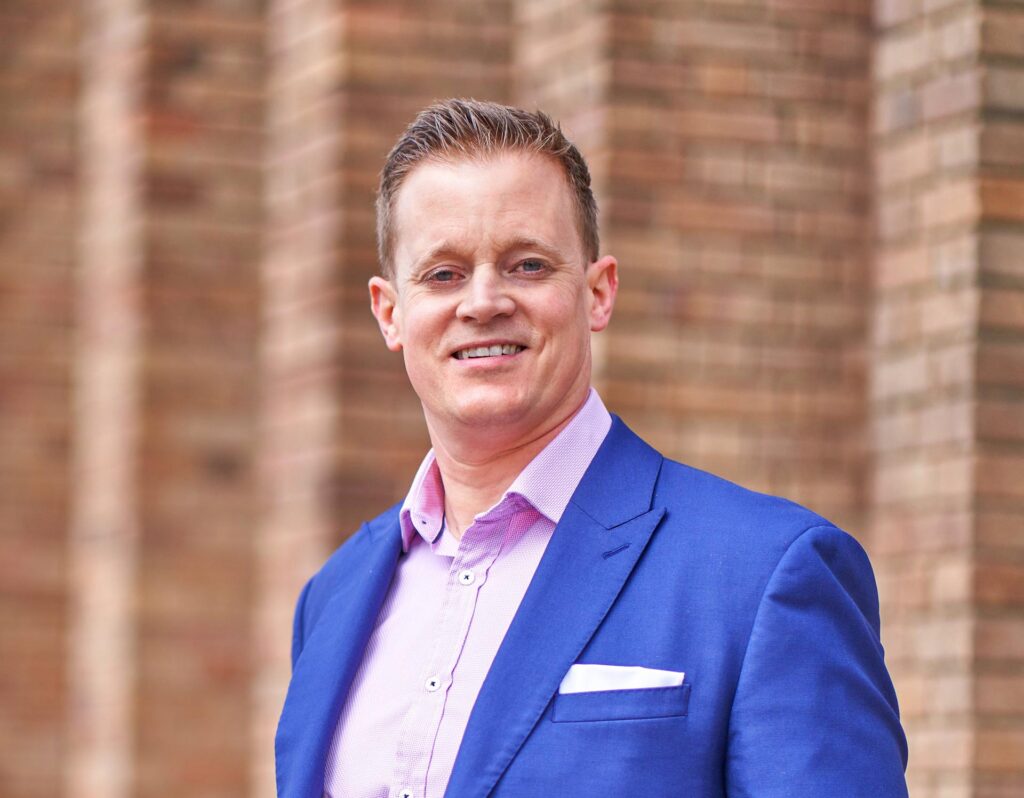
Chief Executive
Officer Justin Galliford
Communication at the core
Galliford says efficiency and value depend on clear communication in both directions. That means the council setting out what it needs, and Norse being honest about how services are progressing, where improvements can be made, and how it can respond when the council wants something changed. “That constructive relationship,” he explains, ultimately “underpins the best way we can drive efficiency and value for money.”
Where the partnership makes the biggest difference
Although the group does “many, many things” for its shareholder, Galliford highlights three standouts.
The first is highways. Norse runs what he calls a unique model of highways maintenance for the council, which has made good use of the available budget. For several years running, he says, the group has done more work than it initially anticipated each year, because it has made the budget go further. Winter services follow a similarly flexible model: in a hard winter the group can focus resources on gritting and response, and in a milder one it can turn to normal repairs and maintenance.
The second is waste. Norse runs all of Norfolk County Council’s household waste recycling centres, and again does so transparently. That lets the group continually improve the service, and ensures the council gets the value of those improvements and can choose to reinvest it in other parts of its services.
The third is school meals, a long-standing service delivered on the council’s behalf, with a focus on nutritional quality. “We’re a firm believer that good nutrition underpins good learning,” Galliford says. The service is funded by money passed from the council, which receives it from central government, so the group must drive continual efficiency into its supply chain to deliver meals at the cost it is given. Quality, though, is not up for negotiation. “Nutritional quality can’t be sacrificed in order to keep the price down,” he says. “That, I think, is where we differ from some of our competitors.”
A pragmatic approach to going green
On sustainability, Galliford describes the group’s approach as pragmatic. Wherever green initiatives can be introduced, they are, and they are wide-ranging.
In highways, the materials used carry a carbon footprint, but he says the biggest lever is planning: making sure people are in the right place at the right time, which cuts fuel use and the footprint of the work. In school food, the group sources locally where it can, reducing the food transport miles that contribute heavily to catering’s carbon footprint. On waste, it looks for local or near-local processing solutions to avoid long haulage routes.
Galliford is candid that this is not always possible. “Where the economics allow you to do it, you absolutely should,” he says, but in other cases best value and budget demand “a slightly harder decision.” That pragmatism and constant evaluation, he explains, underpin the group’s sustainability measures.
Preparing for change
Looking ahead, Galliford says local government is facing two major developments. The first is local government reorganisation, where uncertainty remains for Norfolk. If it goes ahead, he hopes Norse will be “key in helping our shareholder transition” to whatever new arrangement emerges.
The second is devolution. He says it is quite likely that Norfolk, along with Suffolk, will gain a mayoral authority, and he believes the group is well placed to help the council work with a new mayoral seat to deliver strategic services at that level.
Beyond Norfolk, Norse delivers the same types of services for other councils across the country. That work brings money and profit back into the county, giving the council a financial benefit that lets it deliver more services for Norfolk’s residents. Growing that side of the business, alongside local support through reorganisation and devolution, will help the group continue supporting its shareholder “effectively over the coming years.”
www.norsegroup.co.uk