



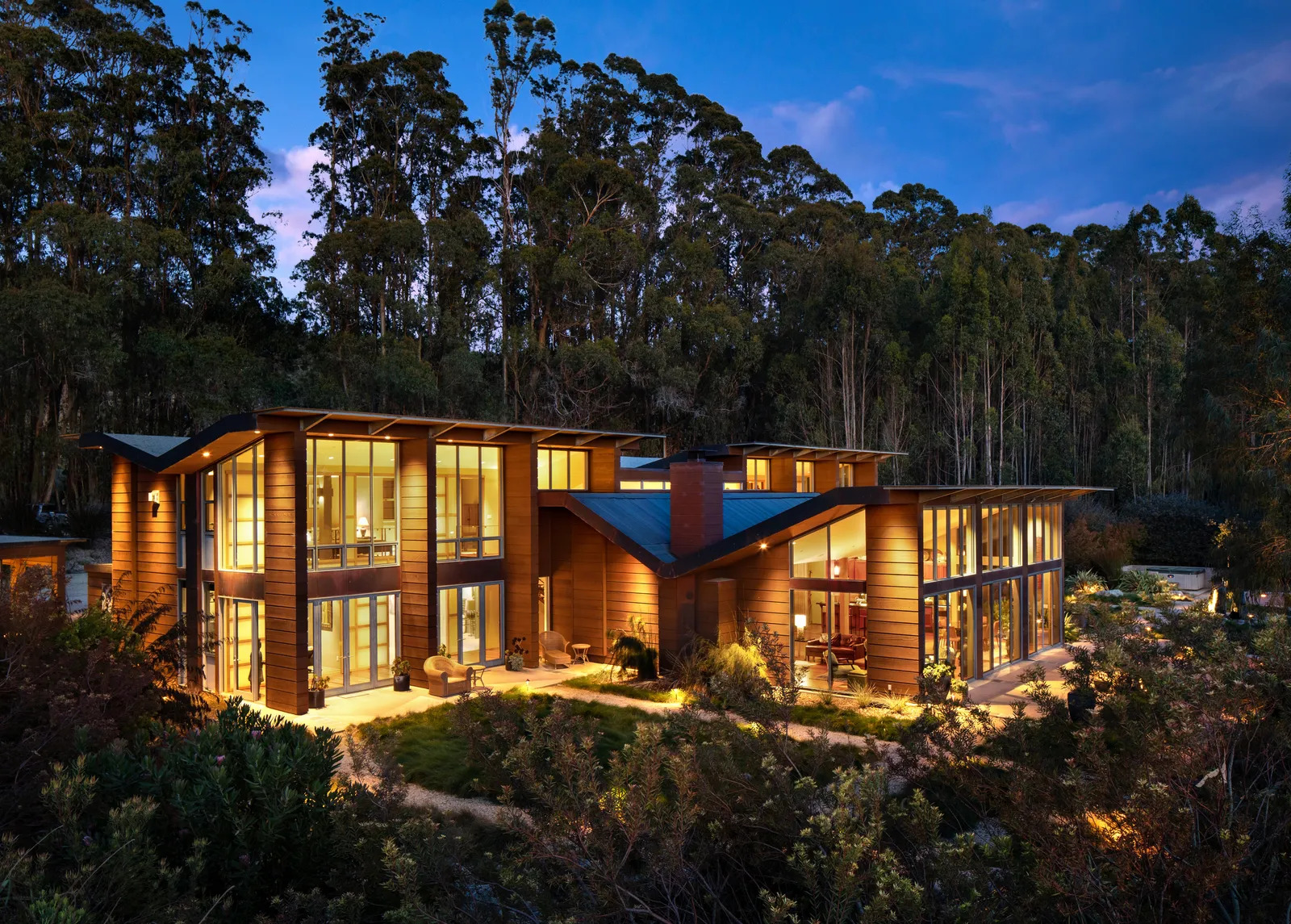
Luxury homes in 2026 are no longer defined by scale alone. The conversation has shifted. Today’s high-end properties are being shaped by a more complex set of expectations—where lifestyle, longevity and strategic investment intersect. Buyers are not simply asking how impressive a home looks; they are asking how it lives, how it performs and how it holds value over time.
At the centre of this shift is a move toward intentional design. Space still matters, but it is being reinterpreted. Larger homes and expansive plots remain in demand, particularly those that offer privacy and flexibility for multigenerational living, remote work and wellness-focused routines. But size without purpose is no longer enough. Layout, flow and adaptability now carry equal weight, reflecting a more considered approach to luxury ownership.
Wellness has emerged as one of the defining pillars of modern luxury real estate. Homes are increasingly designed as self-contained environments, integrating features such as private gyms, spa facilities, advanced air and water filtration systems and dedicated recovery spaces. These are no longer optional extras—they are expected. The home has become both sanctuary and system, engineered to support physical and mental wellbeing as part of daily life.
At the same time, aesthetics are evolving in more subtle ways. The dominance of “quiet luxury” is being challenged by more expressive, personalised interiors. While refined materials and neutral palettes remain, there is a growing emphasis on individuality—spaces that feel lived-in, layered and authentic rather than perfectly curated. This marks a shift from showroom perfection to something more human, where design reflects identity as much as status.
Technology is also becoming increasingly embedded, though often invisibly. Smart systems now manage lighting, climate, security and energy use seamlessly, allowing homes to operate efficiently without disrupting the visual experience. This integration reflects a broader trend: luxury is no longer about visible excess, but about effortless functionality.
Beyond the property itself, location continues to play a decisive role. In 2026, demand is concentrating around cities and regions that offer not only prestige, but stability, connectivity and long-term relevance. Buyers are prioritising environments that support both lifestyle and investment logic, blending emotional appeal with economic confidence. Whether in established global hubs or emerging luxury destinations, the surrounding ecosystem is now as important as the home itself.
There is also a generational shift underway. Younger high-net-worth buyers are entering the market earlier, bringing different expectations with them. They are less focused on tradition and more attuned to flexibility, design and personal expression. For this group, luxury is not just ownership—it is alignment with how they want to live.
What ultimately defines luxury homes in 2026 is not a single feature, but a mindset. These properties are being designed to endure—to function across different stages of life, to adapt to changing needs and to hold their relevance in a more selective, globally connected market.
The result is a new kind of luxury. Less about spectacle, more about substance. Less about what a home says, and more about what it allows.