



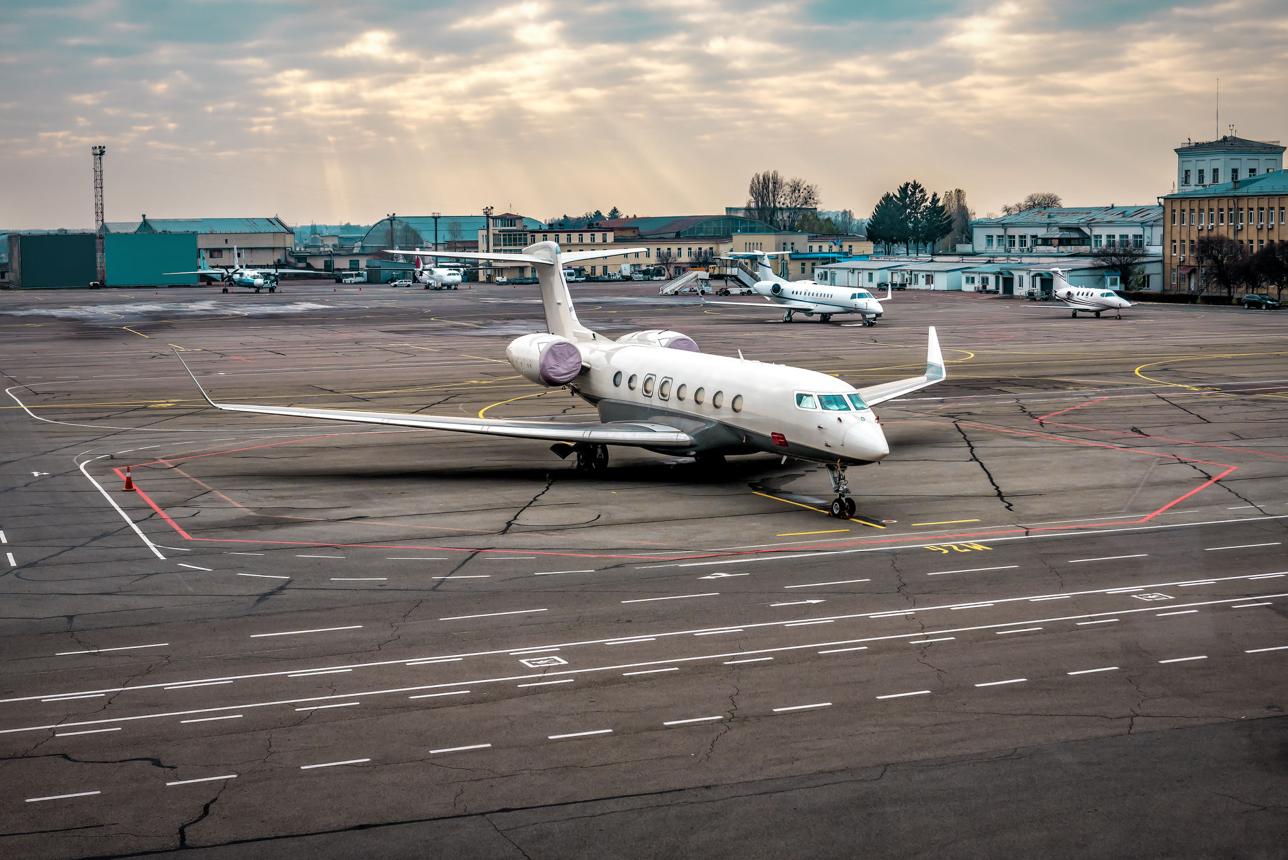
There is a predictable rhythm to the global sporting calendar, but for private aviation, these moments are anything but routine. Events like the Super Bowl, The Masters and Formula 1 trigger surges in demand that transform regional airports into temporary hubs of intense activity. According to reporting highlighted by Robb Report, private jet operators are no longer simply reacting to this demand; they are actively designing their businesses around it, turning major sporting events into strategic pillars of growth. The result is a niche within a niche, not just private aviation, but event-driven private aviation.
Planning for the Unpredictable
The challenge begins with uncertainty. Unlike traditional travel peaks, many major sporting events are only partially predictable, with final teams, locations and demand profiles often confirmed just days or weeks before kick-off. Operators such as NetJets have built entire operational frameworks around this volatility, managing fleets of hundreds of aircraft globally. Preparation can begin months in advance, but execution is compressed into an intense operational window. Airports expand staffing, introduce temporary procedures and coordinate with nearby hubs to absorb the influx. What appears seamless to passengers is, behind the scenes, a highly choreographed exercise in capacity management.
More Than Transport — A Luxury Ecosystem
For operators, the opportunity extends far beyond transportation. Major sporting events have become platforms for client engagement, brand positioning and experiential luxury. Companies such as VistaJet have built service models around curated experiences, offering access to exclusive events, private hospitality and tailored programming. At events like The Masters, private aviation firms host gatherings and member lounges that blur the line between travel and lifestyle. The journey is no longer separate from the event; it becomes part of the experience itself, reflecting a broader shift in luxury where access and exclusivity define value.
The Scale of Demand

The numbers behind these events are striking. During The Masters, Augusta’s regional airport can see hundreds of private jet arrivals in a single day, several times its normal volume. This concentration of traffic creates a unique operational environment where landing fees rise, parking becomes scarce and operators must coordinate with multiple nearby airports to distribute aircraft efficiently. For aviation companies, these moments represent both opportunity and constraint, with demand at its highest but complexity equally elevated.
A Competitive Battleground in the Sky
As demand intensifies, so too does competition. The private aviation market is crowded with charter brokers, fractional ownership providers and membership-based models, all competing for high-net-worth clients. Companies like PrivateFly have introduced digital platforms to streamline booking and pricing, while others differentiate through fleet scale, global reach or bespoke service. Sporting events provide a rare moment when all of these models converge. Clients are highly visible, expectations are elevated and brand perception is shaped in real time, making performance both operational and reputational.
The Future of Event-Driven Aviation
What emerges from this convergence of sport and aviation is a clear trend. Private jet operators are no longer simply serving demand; they are anticipating it, shaping it and embedding themselves within the cultural fabric of global events. Major sporting occasions have become more than travel peaks. They are strategic touchpoints where logistics, luxury and experience intersect. For the industry, growth will not come solely from expanding fleets or routes, but from owning moments. In a world where access defines value, few moments carry more weight than the world’s biggest stages.