



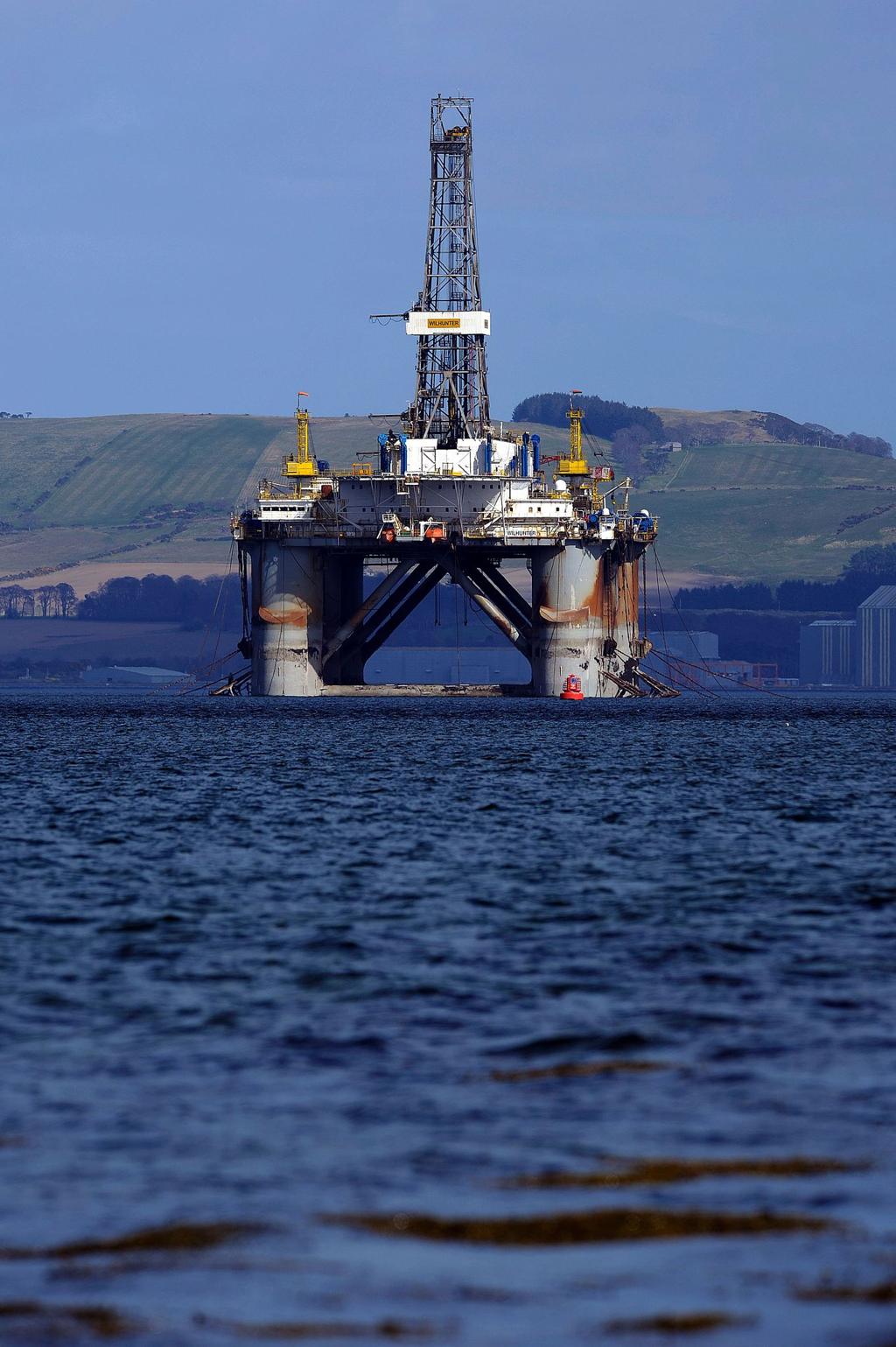
The debate surrounding Britain’s energy future has once again moved to the centre of political discussion, with growing tensions emerging inside the Labour Party over the future of North Sea oil and gas production.
Recent comments from Wes Streeting have reignited questions about how the UK should balance energy security, economic growth and climate commitments as the country navigates the transition toward a lower-carbon economy. According to reporting by The Telegraph, Streeting suggested Labour should remain open to a more pragmatic approach toward North Sea oil and gas production, placing him at odds with the stronger anti-drilling stance associated with Energy Secretary Ed Miliband.

The disagreement reflects a broader challenge facing governments across Europe. While climate targets continue to accelerate investment into renewable energy, many countries remain heavily dependent on oil and gas to meet current energy demand. The transition to cleaner energy systems is widely viewed as necessary, but the speed and structure of that transition remain highly contested.
For supporters of continued North Sea production, the argument centres on energy security and economic stability. Britain still consumes significant amounts of oil and gas, and advocates argue that reducing domestic production does not automatically reduce demand. Instead, they contend that it can increase reliance on imported energy, potentially exposing the country to greater geopolitical risks and supply disruptions.
The North Sea also remains a major economic contributor. The sector supports thousands of jobs across the UK, particularly in regions such as Aberdeen, which has long been regarded as the centre of Britain’s offshore energy industry. For many within the sector, the conversation is not simply about fossil fuels but about protecting skilled employment, investment and industrial capability during the energy transition.
At the same time, environmental groups and climate advocates argue that expanding or prolonging oil and gas extraction risks undermining the UK’s long-term climate commitments. They maintain that investment should instead focus on accelerating renewable infrastructure, electrification and clean energy technologies capable of reducing dependence on fossil fuels altogether.

This tension has become one of the defining political challenges of modern energy policy. Governments are being asked to deliver two objectives simultaneously: maintain reliable and affordable energy supplies today while building the infrastructure required for a lower-carbon future.
The UK’s position is particularly complex because the North Sea has historically played such a central role in the country’s energy system. Since the 1970s, offshore oil and gas production has generated significant tax revenues, supported regional economies and contributed to national energy independence. Although production levels have declined over time, the industry continues to represent a strategically important part of Britain’s energy landscape.
The debate is also unfolding against a backdrop of rising global competition for energy investment. Countries across Europe, North America and the Middle East are investing heavily in both traditional energy infrastructure and emerging clean energy sectors. Policymakers increasingly face pressure to ensure that energy strategies remain economically competitive while meeting environmental objectives.
For Labour, this creates a difficult balancing act.
The party has positioned itself as strongly committed to accelerating the energy transition, with renewable energy expansion forming a major part of its economic and environmental agenda. However, figures such as Streeting appear increasingly aware of concerns surrounding industrial competitiveness, employment and domestic energy resilience.

The wider industry conversation is becoming less about choosing between oil and renewables and more about managing the transition between them.
Many energy analysts argue that oil and gas production will continue to play a role for years, even as renewable capacity expands significantly. The challenge lies in determining how quickly that transition can realistically occur without creating affordability issues, supply risks or economic disruption.
Technology is also influencing the debate. Carbon capture, hydrogen development and offshore wind projects are increasingly being positioned as potential pathways for leveraging existing North Sea expertise while supporting decarbonisation goals. Some industry leaders argue that the skills, infrastructure and engineering capabilities built through decades of offshore energy production could help drive the next phase of Britain’s energy transformation.
This has led to growing discussions around the concept of an “orderly transition” rather than an abrupt shift away from fossil fuels.
Supporters of that approach argue that maintaining a degree of domestic oil and gas production while scaling renewable investment may provide a more stable route toward long-term decarbonisation. Critics, however, contend that such strategies risk slowing momentum toward climate targets and prolonging dependence on fossil fuels.
The reality is that energy transitions are rarely straightforward.
Historically, major shifts in energy systems have taken decades rather than years. While technological progress is accelerating, replacing large-scale energy infrastructure requires significant investment, regulatory coordination and long-term planning. That complexity helps explain why debates surrounding North Sea production remain politically sensitive despite broad agreement on the need to reduce emissions over time.
The Future of Britain’s Energy Transition
What the latest Labour tensions reveal is that the conversation around energy is increasingly moving beyond simple ideological divisions. Questions of energy security, industrial policy, climate responsibility and economic resilience are becoming deeply interconnected.
As Britain continues its push toward net zero, policymakers will face growing pressure to reconcile these competing priorities. The challenge is not only deciding what the future energy system should look like, but determining how to get there without creating instability along the way.
The debate over North Sea drilling may appear focused on a single industry, but it ultimately reflects a much larger question facing the UK: how to manage one of the most significant economic and industrial transitions in modern history.