



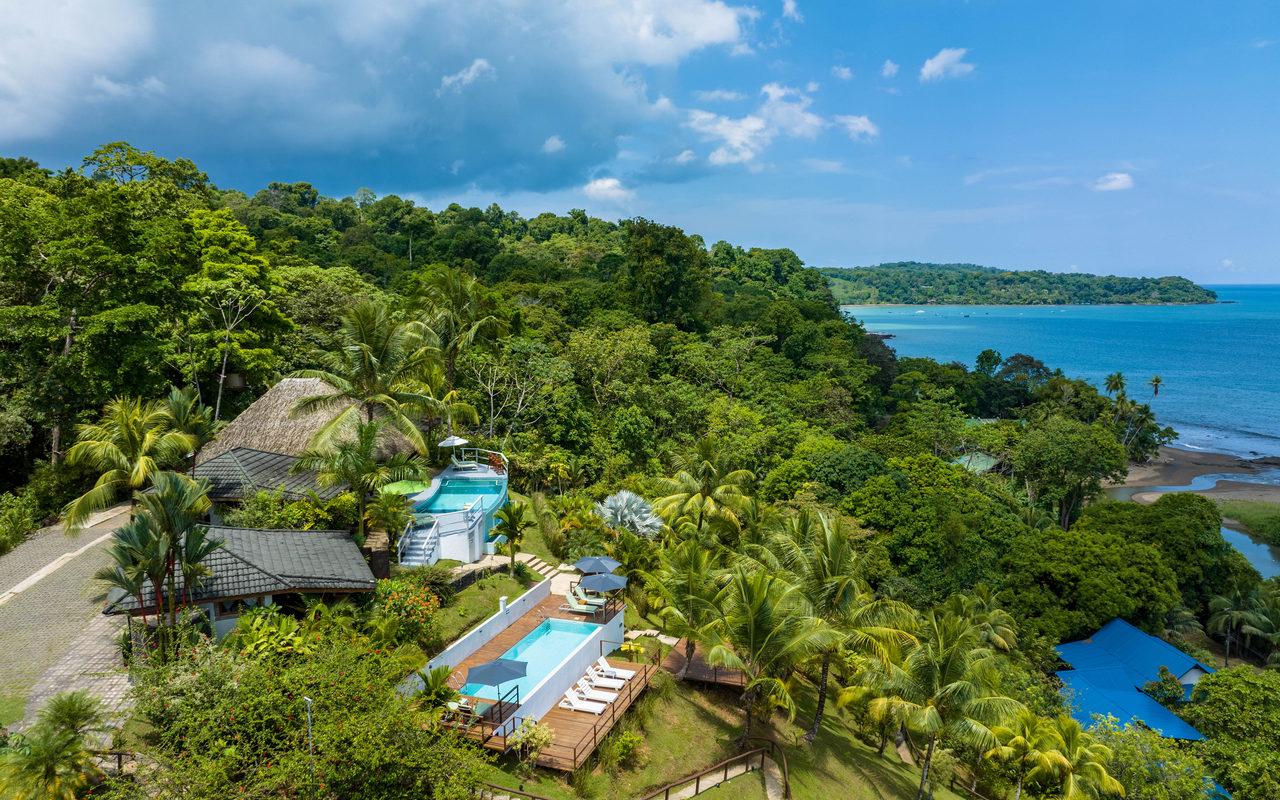
From Paraguay’s evolving capital to Panama’s private islands and Costa Rica’s wildlife-rich Pacific coast, a new generation of Central and South American destinations is redefining luxury through culture, conservation and meaningful access to nature.
Luxury travel across Central and South America is entering a more adventurous era.
The region’s celebrated destinations remain compelling, but experienced travellers are increasingly looking beyond the familiar routes connecting Rio de Janeiro, Buenos Aires, Machu Picchu and Costa Rica’s established resort regions.
Privacy, cultural connection and access to remote landscapes are becoming as important as marble bathrooms, infinity pools and white-glove service. Luxury is no longer defined solely by the hotel. It can be found in travelling with an expert naturalist, reaching an isolated island by boat, dining in a city still developing its international reputation or staying within a protected landscape where visitor numbers are carefully controlled.
A selection of emerging destinations for 2026 places Asunción, Chiriquí Province, Costa Rica’s South Pacific Coast, Fernando de Noronha and Medellín among the places offering a more thoughtful and varied interpretation of high-end travel.
Asunción: South America’s emerging capital
Asunción offers something increasingly difficult to find in international travel: the feeling of discovering a capital before the rest of the world arrives.
Paraguay’s riverside city combines historic buildings, Guaraní heritage and traditional markets with an expanding collection of independent restaurants, galleries, coffee shops and design-led hotels.
Unlike larger regional capitals, Asunción does not overwhelm visitors with scale. Its appeal is found in neighbourhood exploration, private architectural tours, relaxed riverside evenings and dining experiences that introduce travellers to Paraguayan ingredients and traditions.
The city is attracting greater international attention as new accommodation, restaurants and public spaces strengthen its tourism offering. Its developing hospitality sector creates an opportunity for travellers to experience a destination that still feels personal and relatively removed from mass tourism.
The historic centre contains landmarks including the Palacio de los López, the National Pantheon of the Heroes and the colourful buildings surrounding Calle Palma. Beyond these better-known sites, Asunción’s contemporary identity is emerging through its culinary scene and growing creative community.
For luxury travellers, the attraction lies less in isolation from the city than in gaining meaningful access to it. A carefully planned itinerary could include a privately guided architectural walk, a chef-led exploration of Paraguayan food and an excursion examining the country’s Guaraní and Jesuit heritage.
Modern luxury is increasingly found in access, knowledge and a sense of discovery rather than separation from the destination.

Chiriquí: Panama at the edge of the wild
Panama’s Chiriquí Province moves effortlessly between mist-covered mountains and tropical Pacific islands.
The region includes the coffee estates and cloud forests surrounding Boquete, the dramatic landscapes of Volcán Barú and the reefs, mangroves and beaches of the Gulf of Chiriquí.
Its variety allows travellers to begin the day in the cool highlands before continuing towards secluded islands and warm Pacific waters. Coffee tastings, naturalist-guided walks, diving, whale watching and private boating can all form part of the same itinerary.
Visit Panama describes Chiriquí as a destination shaped by beaches, mountains, coffee plantations and marine environments. The Gulf of Chiriquí contains white-sand islands, coral reefs and extensive mangrove forests, while its protected waters support birdlife and numerous marine species.
Luxury development has generally remained smaller in scale than in Panama’s major resort regions. Private-island properties and low-density eco-resorts allow guests to experience the landscape without introducing the atmosphere of a heavily developed tourism corridor.
That sense of space is the region’s greatest privilege. A day may involve snorkelling in the marine park, lunch on an isolated beach and an evening surrounded by rainforest rather than nightlife and crowds.
Costa Rica’s South Pacific Coast: Nature without compromise
Costa Rica has been associated with ecotourism for decades, but its South Pacific Coast offers a wilder and more secluded interpretation of the country’s familiar promise.
The region encompasses Uvita, Drake Bay, Golfo Dulce and the Osa Peninsula, bringing together tropical rainforest, mangroves, Pacific beaches and the marine habitats surrounding Caño Island.
Corcovado National Park remains its natural centrepiece. Wildlife, forest trails and coastal access create an experience that feels genuinely remote, particularly when compared with Costa Rica’s more developed northern resort areas.
Costa Rica’s official tourism authority highlights the South Pacific for its beaches, biodiversity and wildlife. Caño Island lies around 20 kilometres from the Osa Peninsula and is recognised for its coral formations, marine life and archaeological importance.
Accommodation is increasingly designed around the environment. Villas and lodges are placed within rainforest surroundings, providing comfort and privacy while keeping wildlife and conservation at the centre of the stay.
Corcovado Wilderness Lodge, for example, occupies a large rainforest property surrounded by protected land and oceanfront. Its positioning reflects the region’s wider luxury model: adventure and relaxation are offered together rather than treated as opposing experiences.
Visitors can arrive by boat, explore mangrove channels, hike with trained guides or spend an afternoon watching the Pacific from a private terrace. The relative difficulty of reaching parts of the region has become one of its most valuable qualities.
Fernando de Noronha: Conservation as the ultimate privilege
Fernando de Noronha appears almost impossibly beautiful.
Located in the Atlantic Ocean off Brazil’s north-eastern coast, the volcanic archipelago is known for clear water, dramatic rock formations, protected beaches and abundant marine life.
Its relative isolation has helped preserve an environment where dolphins, sea turtles, reef fish and seabirds remain central to the visitor experience.
The archipelago consists of 21 islands and is recognised by UNESCO for its natural importance. Local authorities also operate the Plastic Zero programme, which restricts disposable plastics as part of the effort to protect the islands’ fragile environment.
Visitors are required to contribute through an environmental preservation fee, reinforcing the principle that tourism must operate within the limits of the destination rather than reshaping it entirely for visitor convenience.
Luxury here is defined by rarity.
Travellers do not arrive for enormous resorts or heavily programmed entertainment. They come for diving, private boat journeys, small-scale accommodation and controlled access to one of Brazil’s most closely protected natural environments.
The limited access is part of the attraction, but it also carries responsibility. Premium travel must contribute to conservation, employ local expertise and respect the restrictions designed to protect the archipelago.
Medellín: A city defined by creative energy
Medellín provides the urban counterpoint to the region’s private islands and rainforest escapes.
Set within Colombia’s Aburrá Valley, the city has developed an international reputation for design, entrepreneurship, food and cultural innovation. Its dramatic mountain geography, public transport network and contrasting neighbourhoods create an experience unlike that of many other Latin American capitals.
Visitors can move between contemporary restaurants and hotels in El Poblado, cultural institutions in the city centre and street art and community-led experiences in Comuna 13.
Colombia’s official tourism platform presents Medellín as a destination combining culture, nature and entertainment. The city’s mild climate, gastronomy and creative energy have also helped it develop a strong business and events sector.
Comuna 13’s graffiti tours demonstrate how music and art have become part of a wider story of community expression and renewal. Responsible tours led by local residents can provide context that is often missing from more superficial visits.
For high-end travellers, Medellín offers private art and architecture tours, contemporary Colombian dining, independent fashion, wellness-led hotels and excursions into the wider Antioquia region.
The luxury is urban, energetic and closely connected to the people shaping the city’s modern identity.
A different definition of luxury
These five destinations reveal a broader shift taking place across premium travel.
Traditional symbols of luxury remain important. Travellers still value thoughtful design, privacy, comfort and exceptional service. What is changing is the purpose those elements serve.
In Chiriquí and Costa Rica, luxury provides access to ecosystems that require careful protection. In Fernando de Noronha, environmental controls make the experience more valuable precisely because unrestricted development is not permitted.
Asunción offers the excitement of cultural discovery, while Medellín demonstrates how design, food and local creativity can become the foundations of a sophisticated city break.
Across each destination, the strongest experiences remain connected to place.
They are shaped by local guides, conservation programmes, independent restaurants, community knowledge and accommodation designed around the landscape rather than imposed upon it.
Central and South America have never lacked extraordinary destinations. What 2026 brings is a wider understanding of where luxury can be found.
It may be inside a private villa or beautifully designed hotel room. More often, however, it is waiting beyond the door: in a cloud forest, above a city valley, beneath a protected ocean or beside a river running through a capital still establishing its place on the global travel map.