



How Eddie Hearn and Matchroom helped make boxing a major force in British sport and global entertainment
Football may own the weekly calendar, but Matchroom has helped turn major boxing contests into national occasions: packed stadiums, household names and nights that command attention. Business Enquirer examines the promotional and commercial playbook behind its rise.
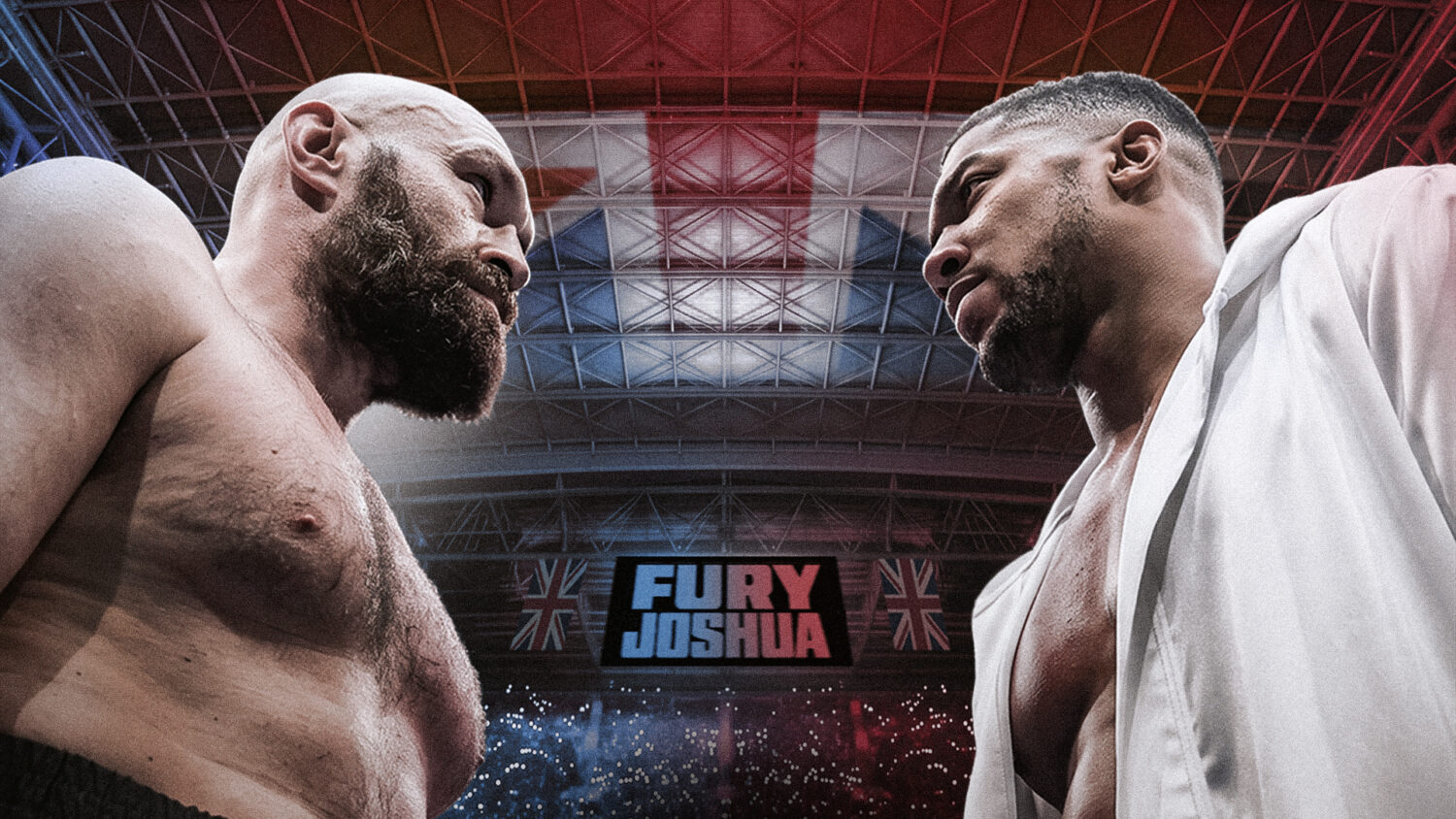
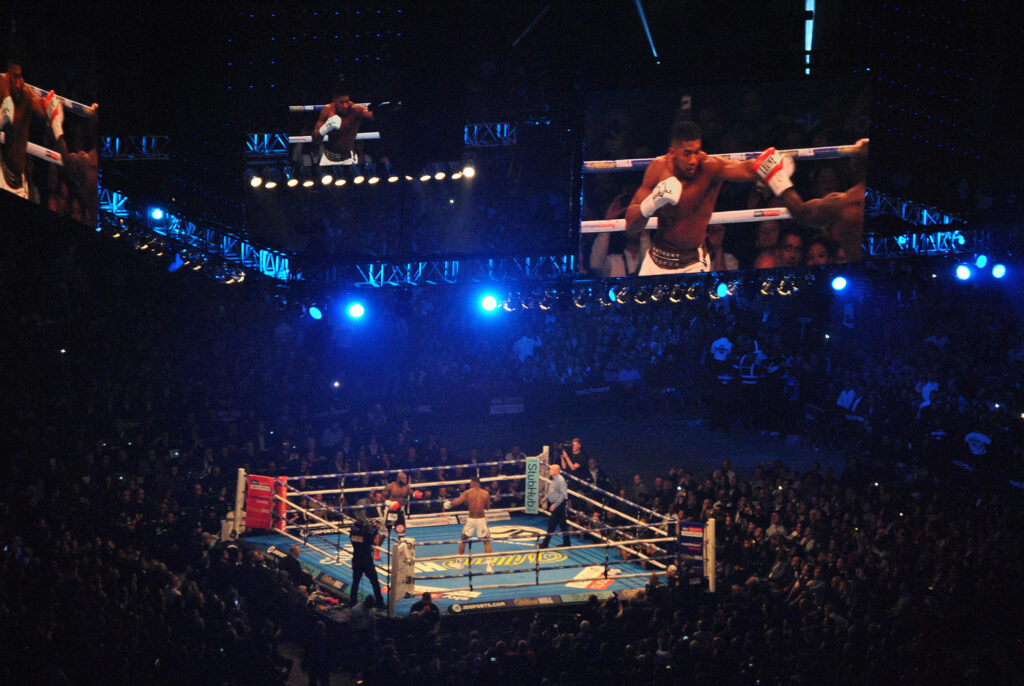
The floodlights at Wembley were built for football. Yet on boxing nights the famous arch frames a different theatre: gloves flashing under white light, entrance music rolling across the stands and tens of thousands waiting for one decisive moment. That image captures a key part of Eddie Hearn’s impact. Matchroom did not invent boxing’s mass appeal, but it helped reshape how the sport is promoted, packaged and sold to modern audiences.
Under Hearn, a fight became more than twelve scheduled rounds. It became a story told for weeks, a city-centre press conference, a stream of social clips, a premium broadcast and, finally, an event with the atmosphere of a cup final. The result is a sport that can stand alongside football in the public imagination whenever the right names and the right rivalry meet.

WHERE DID THE TRANSFORMATION BEGIN?
Matchroom’s instincts were forged long before the age of viral video. Barry Hearn founded the company in 1982 after helping turn televised snooker into appointment viewing. The lesson was simple but powerful: audiences do not follow sport through statistics alone; they follow people, tension and consequence. Eddie joined Matchroom in 2000 and carried that formula into boxing with the urgency of a promoter who understood both television and the changing attention economy.
The symbolic breakthrough came with Carl Froch’s rematch against George Groves in 2014. Eighty thousand people filled Wembley for the first boxing event at the rebuilt stadium. It proved that a domestic rivalry, properly built, could occupy football’s grandest stage. Hearn’s verdict after the event revealed the method behind the spectacle.
“If you’ve got the right fight and the right build-up, we’ve got the chance to really bounce off boxing now.”
HOW DO YOU MAKE THE PUBLIC CARE?
That phrase — the right fight and the right build-up — is the Matchroom blueprint in miniature. Boxing has no league table to create a dependable weekly narrative. Its calendar is fragmented, its champions are spread across sanctioning bodies and its biggest contests can take years to negotiate. Promotion therefore has to manufacture clarity: who matters, what is at stake and why the audience should choose this night.
Hearn became one of the sport’s most recognisable storytellers because he was willing to sell the contest everywhere — on television, radio, YouTube, podcasts and social media. His press conferences operate as episodes rather than administrative obligations. Fighters are presented as characters with histories, ambitions and vulnerabilities. The audience is invited into the argument before it is asked to buy the ending.
Anthony Joshua gave that strategy its defining leading man. Olympic gold, heavyweight power and an accessible public personality created the raw material; Matchroom built his journey from The O2 to Wembley and Cardiff. When Joshua met Wladimir Klitschko in 2017, capacity at the national stadium was raised to 90,000. Hearn called it ‘the biggest fight in British boxing history at Wembley Stadium’. The claim felt less like hype when the roar arrived.

/JazzyJoeyD
CAN BOXING REALLY STAND BESIDE FOOTBALL?
Not in weekly reach; football remains Britain’s dominant sporting language. But Matchroom has shown that boxing can enter the same category of national occasion. A major fight now commands football stadiums, rolling news coverage, celebrity attendance and the Monday-morning conversation. Boxers such as Joshua, Katie Taylor and Chris Eubank Jr have become brands beyond the ring, recognised by people who may watch only one or two fights a year.
This is the crucial distinction. Matchroom has not asked every viewer to become a boxing purist. It has made selected contests hard to ignore. The commercial model connects broadcast rights, ticket sales, sponsorship and fighter brands: attention built through promotion can become revenue for broadcasters, venues, partners and participants. But fragmented titles, competing promoters and difficult negotiations still limit what any single business can control.
WAS THE HEAVYWEIGHT BOOM THE WHOLE STORY?
No. Matchroom’s wider contribution is visible in the stages it helped create for women’s boxing. Katie Taylor’s rise culminated in her 2022 meeting with Amanda Serrano, the first women’s contest to headline Madison Square Garden. It was marketed as elite sport, not a worthy sideshow. Before the bout, Hearn predicted that ‘the world will stop to watch these two great fighters change the sport’. The sold-out event drew 19,187 fans and, according to DAZN, a global streaming audience of 1.5 million — compelling evidence of the commercial opportunity.
That night expanded the audience and the idea of who could headline boxing’s most famous venues. It also showed the value of consistent investment. Stars are not created by one poster; they are built through repeated exposure, competitive matchmaking and a narrative the public can follow from one fight to the next.
WHAT TURNED A BRITISH PROMOTER INTO A GLOBAL BUSINESS?
Matchroom’s long partnership with Sky Sports helped establish a domestic audience. Its first major US agreement with DAZN in 2018 signalled a wider ambition; in 2021, Matchroom moved its UK boxing broadcasts from Sky to DAZN under a five-year agreement, although Anthony Joshua’s existing Sky arrangement initially remained separate. Hearn summed up the expansion: ‘Pushing the boundaries is something we will always continue to do.’
The partnership became a distribution platform. Matchroom staged events across the United States, Mexico, Europe, the Middle East and Australia, while clips, documentaries and behind-the-scenes programming kept fighters visible between bouts. In February 2026, Matchroom and DAZN announced a new five-year agreement for the UK and US, with more than 30 Matchroom shows globally each year. A separate arrangement brought selected events to Australian audiences through Foxtel and Kayo Sports.
WHAT HAPPENS AFTER THE FINAL BELL?
Hearn’s real product is attention, but his lasting impact is belief: belief that boxing can fill the biggest stadiums, produce globally recognised personalities and speak to audiences far beyond its traditional base. The sport still carries the beautiful unpredictability that no promoter can manufacture. Matchroom’s achievement has been to build the stage large enough for the world to notice it.
Football will continue to own most Saturdays. But when the lights dim, the walkout music begins and a championship fight becomes the only event that matters, boxing occupies the same emotional territory. Eddie Hearn and Matchroom helped make that territory visible again — not merely as a fight, but as the main event.