



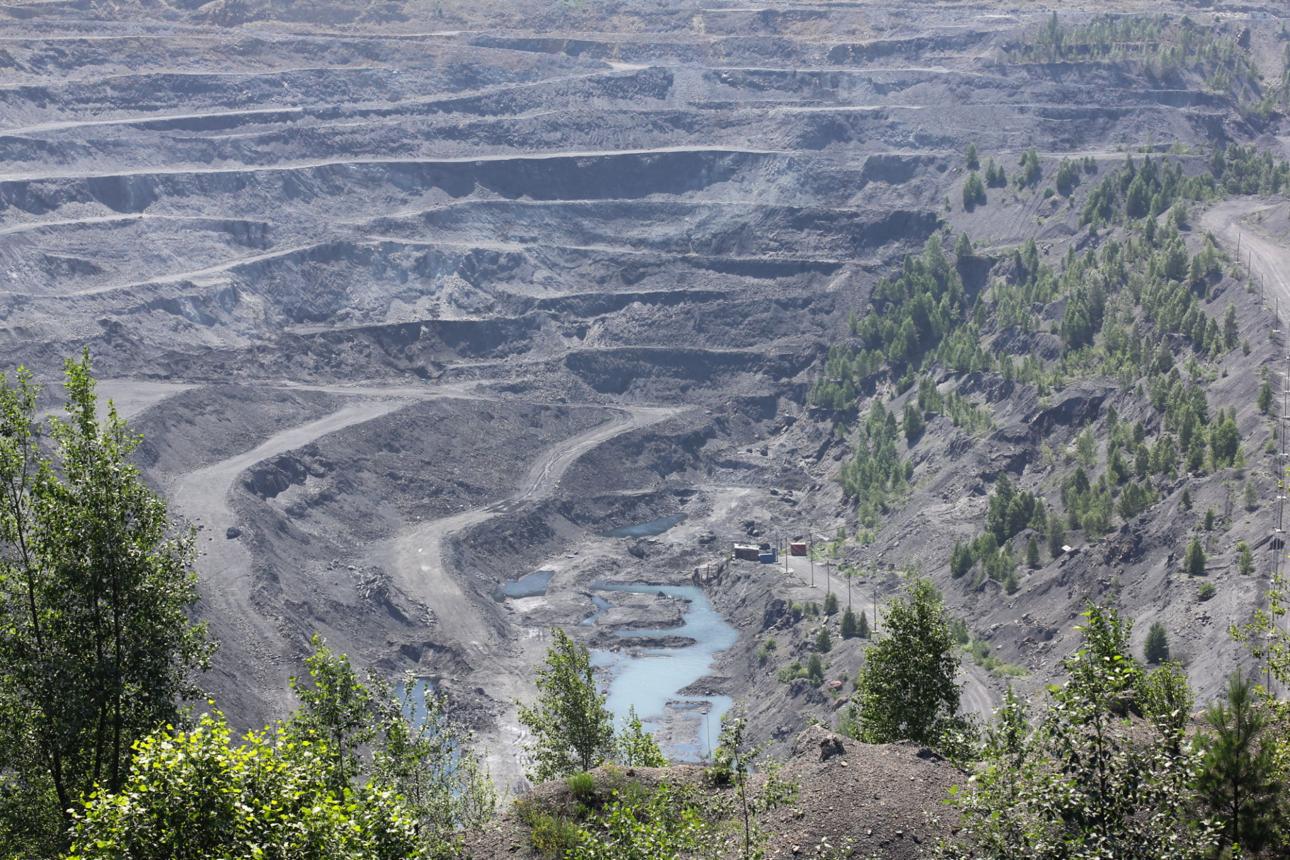
For Eurasia Mining, the proposed sale of its West Kytlim operations is less a sudden move and more the culmination of a long-running strategic shift. The company has confirmed it is continuing to work towards completing the disposal of the Russian asset, a transaction that has become central to its broader repositioning. At the heart of the deal is a striking contrast: West Kytlim carries an estimated valuation of around $251 million, yet due to Russia’s taxation framework and regulatory constraints, the actual proceeds expected are closer to $9 million. It is a gap that underlines the realities of operating in complex jurisdictions, where theoretical asset value and realisable returns can diverge sharply.
Why Sell a Producing Asset?

On the surface, divesting a producing mine may appear counterintuitive. West Kytlim is not an idle asset; it is operational. Yet the underlying economics tell a different story. The mine has been described as relatively small and loss-making, while also carrying heightened geopolitical risk. The potential for nationalisation, particularly in the context of broader tensions between Russia and Western markets, has added further urgency to the decision. In this light, the sale is less about immediate financial gain and more about risk mitigation, allowing the company to exit a vulnerable position before external factors erode value further.
A Strategic Pivot to the Arctic
The more important story lies not in what Eurasia is selling, but in what it is choosing to prioritise. The company’s Arctic assets, including projects such as Monchetundra and NKT, represent the overwhelming majority of its total reserves and resources. These projects benefit from state-backed investment frameworks and tax incentives, making them significantly more attractive from both a financial and regulatory perspective. By divesting West Kytlim, Eurasia is effectively concentrating its portfolio around these higher-value, strategically supported assets, simplifying the business while sharpening its long-term focus.
The Economics Behind the Discount
The headline figure of $9 million has drawn attention, particularly when set against the asset’s valuation. Yet the discount is not purely commercial; it is structural. Russian taxation and transaction conditions significantly reduce the amount that foreign companies can extract from asset sales. In this case, only a small proportion of the nominal valuation is payable in cash terms. For Eurasia, the decision reflects a pragmatic acceptance of these constraints, recognising that holding out for a higher theoretical price may not be viable in the current environment.
Shareholder Alignment and Execution
The company has already taken steps to secure shareholder backing for the transaction, with management and directors indicating support for the sale. Completion, however, remains subject to final processes and conditions. The language surrounding the deal reflects this, with Eurasia continuing to “work towards” finalising the sale rather than declaring it complete. This careful positioning reflects both the complexity of the transaction and the broader uncertainties that continue to shape cross-border asset disposals in the region.
A Smaller Deal With Larger Implications
While the financial scale of the transaction may appear modest, its strategic implications are far more significant. Eurasia Mining is effectively redrawing its operational footprint, stepping away from smaller, risk-exposed assets and concentrating on larger, more strategically aligned projects. The sale also removes a layer of geopolitical uncertainty that has weighed on the company’s positioning. In doing so, it reflects a broader trend across the mining sector, where companies are increasingly prioritising jurisdictional stability, regulatory clarity and long-term scalability over short-term production gains.
The Bigger Picture
What emerges from the West Kytlim sale is a clear signal of intent. This is not simply an asset disposal, but a recalibration of strategy in response to a changing geopolitical and economic landscape. For Eurasia Mining, the question is no longer how to maximise the value of every individual asset, but how to build a portfolio that can endure.