



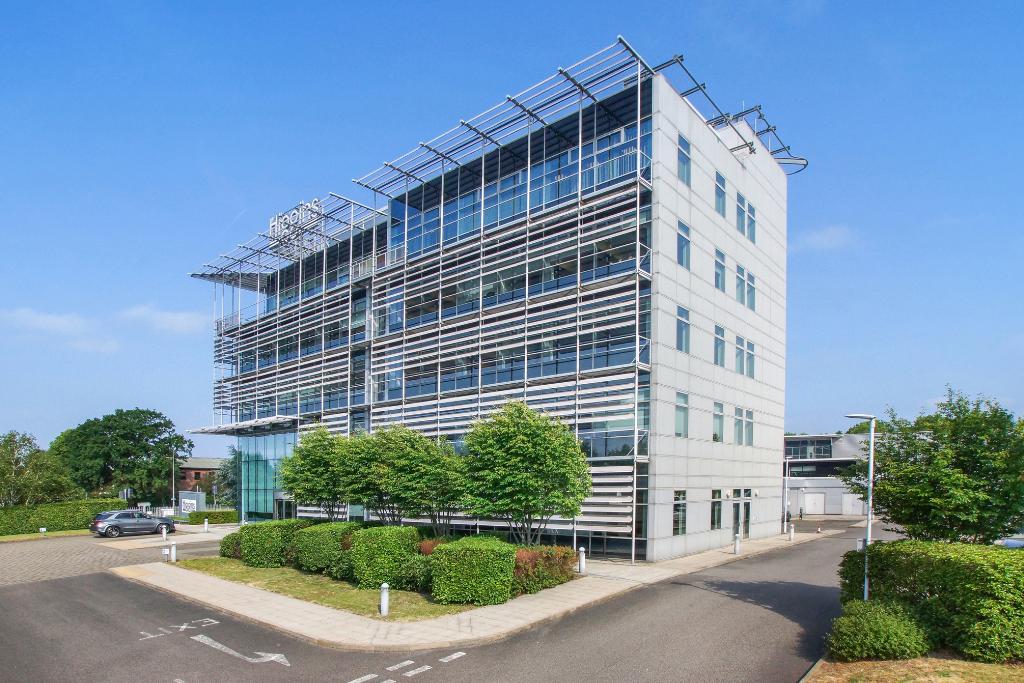
Plans to demolish a set of office buildings in Drayton have been withdrawn by RG Carter, marking a notable pause in a project that had been positioned as part of wider redevelopment ambitions in the area. The decision, reported by Evening News, comes after earlier proposals outlined the removal of existing office space to make way for a new scheme, though the exact future of the site now remains uncertain.
While full details behind the withdrawal have not been publicly confirmed in depth, the move reflects a broader pattern seen across regional development in the UK. Rising construction costs, shifting demand for office space, and ongoing economic pressures have increasingly forced developers to reassess projects that, even a few years ago, would have been considered commercially viable. In many cases, schemes are not cancelled outright but paused, redesigned, or repositioned to better align with market realities.

The Drayton offices sit within this evolving landscape. Demand for traditional office space has shifted significantly in the wake of hybrid working, with many businesses downsizing, relocating, or rethinking how physical workspace fits into their operations. For developers, this creates a more complex equation. Demolishing and rebuilding is no longer just about land value, but about confidence in long-term occupancy and return on investment.
For RG Carter, a company with a long-standing presence in construction and development across the East of England, withdrawing the plans does not necessarily signal retreat. Instead, it suggests recalibration. Projects of this scale often go through multiple iterations before moving forward, particularly when market conditions are uncertain. Stepping back can be part of a broader strategy to refine proposals, explore alternative uses, or wait for more favourable conditions.

There is also a wider question about land use. Across the UK, underutilised office sites are increasingly being reconsidered for alternative development, particularly residential or mixed-use schemes. With ongoing housing demand and planning pressures, sites like Drayton could ultimately be repositioned in ways that better reflect current priorities, rather than simply replacing one form of commercial space with another.
At a local level, the withdrawal introduces a period of uncertainty, but also opportunity. It opens the door for revised proposals that may better align with both market demand and community needs. Whether that results in a redesigned commercial scheme, residential development, or a hybrid approach remains to be seen, but the pause itself is telling.
Ultimately, this is less about a single project being halted and more about what it represents. The UK development landscape is shifting, and decisions like this highlight a growing emphasis on flexibility, timing and long-term viability. In that context, RG Carter’s move is not unusual. It is part of a wider recalibration happening across the industry, where knowing when not to build can be just as important as knowing when to move forward.