



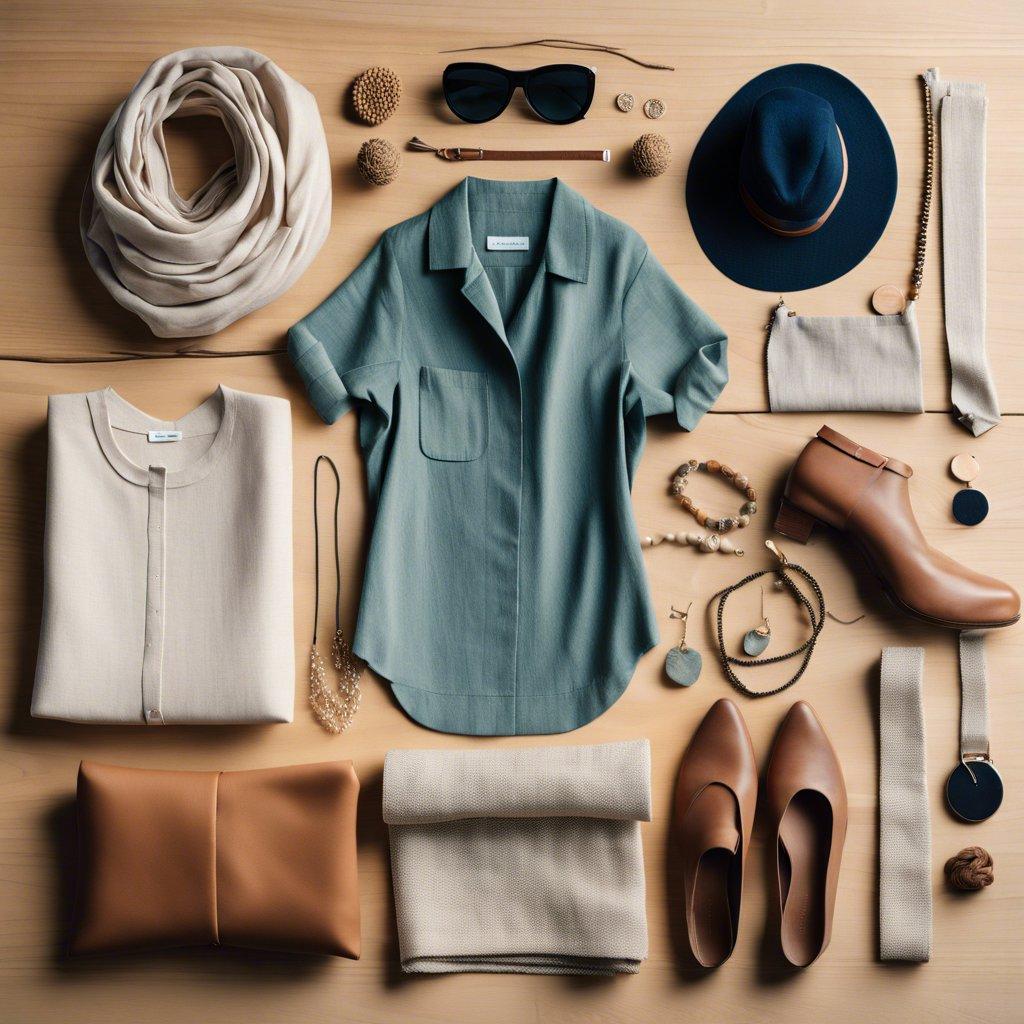
For years, sustainable fashion positioned itself as the ethical alternative to fast fashion. Brands built around transparency, responsible sourcing and slower consumption promised a new future for retail — one where style, profitability and environmental responsibility could coexist. But recent developments across the industry suggest that vision is facing its biggest test yet.
The reported acquisition of Everlane by ultra-fast fashion giant Shein has sparked intense debate across fashion and sustainability circles, with many questioning whether the original ideals of “ethical fashion” can realistically survive within today’s hyper-competitive retail economy. The deal has become symbolic of a much wider industry shift where affordability, speed and scale increasingly dominate consumer behaviour, even as sustainability remains central to public conversation.
What once looked like the future of fashion now appears far more complicated.

6
Sustainable Fashion Was Built on Millennial Optimism
When brands like Everlane emerged during the 2010s, they represented a new kind of retail philosophy. Consumers increasingly wanted to know where products were made, how workers were treated and whether companies operated responsibly. “Radical transparency” became one of the defining phrases of the era.
The movement aligned closely with broader millennial consumer culture, where ethical purchasing was increasingly framed as a form of personal activism. Consumers believed their spending habits could help reshape industries through support for more responsible brands.
For a time, the model appeared highly successful.
Minimalist branding, direct-to-consumer business models and sustainability-focused messaging helped companies like Everlane build enormous cultural influence. At its peak, the company reportedly reached valuations exceeding $500 million while becoming one of the defining brands of modern ethical retail.
But the economics behind sustainable fashion have proven far more fragile than many initially expected.
Fast Fashion Never Stopped Accelerating
While sustainable brands focused on ethics and transparency, companies such as Shein aggressively optimised for something else entirely: speed.
Ultra-fast fashion fundamentally changed the retail landscape by using data-driven manufacturing, rapid supply chains and highly responsive trend analysis to produce massive volumes of low-cost products at extraordinary speed.
The scale of that disruption reshaped consumer expectations.
Fashion cycles accelerated dramatically through social media platforms like TikTok and Instagram. Consumers increasingly became accustomed to constant product turnover, instant gratification and extremely low pricing. Even shoppers who publicly supported sustainability often continued buying from fast-fashion ecosystems because affordability and convenience remained difficult to resist.

6
This created a difficult reality for sustainability-focused brands. Ethical sourcing, smaller production runs and responsible manufacturing almost always resulted in higher operating costs compared to ultra-fast fashion competitors.
The gap between consumer values and purchasing behaviour became increasingly visible.
The Everlane Situation Reflects a Much Bigger Industry Shift
The reported acquisition of Everlane by Shein has therefore become far more than a single corporate deal. For many within fashion, it represents the collision between two entirely different visions of retail.
On one side sits the original sustainable fashion philosophy built around slower consumption, transparency and ethical positioning. On the other sits a global retail model optimised almost entirely around scale, trend responsiveness and low pricing.
That tension now defines much of the modern fashion industry.
Critics fear deals like this risk turning sustainability into little more than branding language rather than a genuinely transformative movement. Some analysts argue that fast-fashion companies may increasingly acquire ethical brands to strengthen public perception and soften criticism surrounding environmental impact and labour practices.
Others believe larger retail platforms could potentially scale sustainable practices more effectively if integrated properly.
Either way, the conversation reveals how difficult it has become for sustainability-focused brands to survive independently within today’s market conditions.
Consumers Still Want Sustainability — But Not at Any Cost
One of the biggest misconceptions surrounding the current debate is the idea that consumers no longer care about sustainability at all.
Research and consumer trends continue showing strong interest in ethical sourcing, environmental responsibility and transparency. Younger audiences in particular consistently express concern surrounding climate impact and labour conditions.
The problem is more complicated.
Modern consumers increasingly operate within financially pressured environments shaped by inflation, rising living costs and economic uncertainty. In practice, affordability often overrides long-term ethical preference during purchasing decisions.

This creates enormous pressure on sustainable brands trying to compete against companies capable of producing clothing at dramatically lower costs and far greater scale.
The challenge is no longer simply convincing consumers to care about sustainability. It is making sustainability commercially accessible within a global retail system designed around speed and volume.
Fashion’s Future May Depend on Regulation, Not Branding
One increasingly important argument emerging from the industry is that sustainability cannot rely solely on consumer behaviour or brand ethics alone.
Many analysts now believe meaningful change will require stronger regulation surrounding supply chains, labour standards, waste management and environmental accountability. Voluntary sustainability messaging may no longer be enough to reshape an industry fundamentally structured around rapid consumption.
This is particularly relevant as governments globally begin paying closer attention to textile waste, emissions and fast-fashion production systems.
The fashion industry remains one of the world’s largest contributors to pollution and overconsumption. As climate pressures intensify, policymakers may increasingly push for tighter environmental standards, supply chain transparency requirements and circular economy initiatives.
In that environment, sustainability could evolve from a branding advantage into an operational necessity.
Luxury and Sustainability Are Beginning to Converge
At the same time, parts of the luxury market are approaching sustainability differently from traditional ethical fashion startups.
Rather than positioning sustainability primarily around moral messaging, many luxury brands increasingly integrate it into concepts like craftsmanship, longevity and quality. Timeless design, repairability and slower consumption naturally align more closely with sustainable principles than trend-driven fast fashion models.
This is one reason why “quiet luxury” aesthetics and capsule wardrobes have become increasingly influential. Consumers are gradually rediscovering value in fewer, better-made pieces rather than constant consumption cycles.
That cultural shift may ultimately become more influential than sustainability marketing itself.
The Industry Is Entering a More Honest Phase
Perhaps the most important takeaway from the current situation is that the fashion industry is entering a more realistic and complicated phase of its sustainability journey.
The early optimism surrounding ethical consumerism suggested market demand alone could rapidly transform retail systems. The reality has proven far more difficult. Scale, pricing pressure, social media acceleration and global supply chain economics continue heavily favouring fast-fashion models.
But the broader sustainability conversation is not disappearing.
Instead, it is evolving beyond branding into larger questions surrounding industrial systems, regulation, manufacturing and consumer culture itself.
The reported Everlane-Shein deal may feel symbolic of sustainable fashion’s contradictions. But it may also represent the beginning of a more mature conversation about what meaningful change within fashion actually requires.
Because the future of sustainable fashion will likely depend not only on what brands say, but on whether the entire retail system itself is willing to evolve.