



The global mining industry is undergoing a major transformation. As demand for copper, critical minerals and energy-transition metals accelerates, companies are restructuring portfolios, selling non-core assets and repositioning themselves around the commodities expected to dominate the next generation of industrial growth.
But while these strategic shifts are often discussed through the lens of global markets and investor returns, their impact is often felt most intensely at community level.
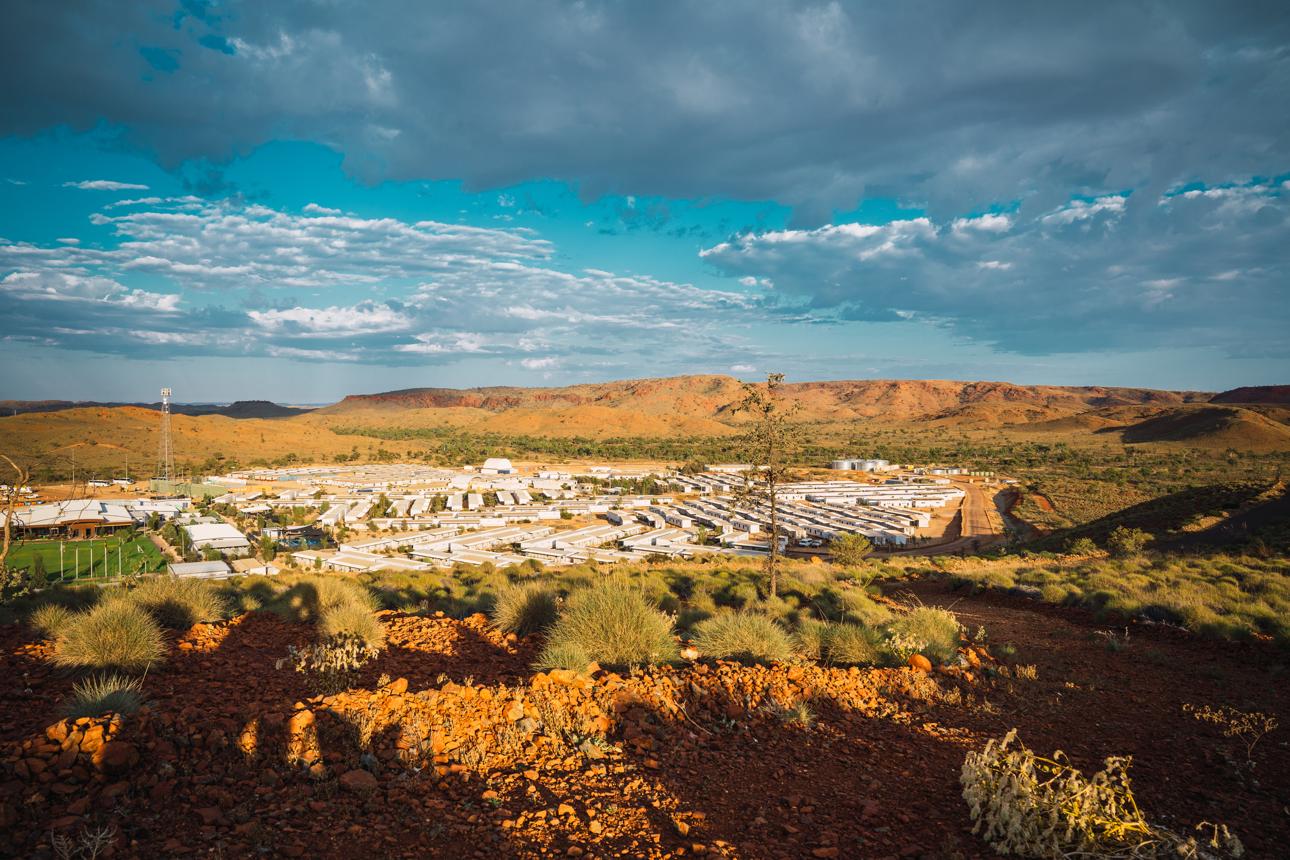
That reality has become increasingly visible following concerns surrounding the proposed sale of the Dhilmar project by Anglo American, with local communities reportedly questioning what the change could mean for jobs, environmental oversight and long-term regional stability. The situation highlights a growing tension emerging across the resource sector: large-scale mining decisions are no longer viewed purely as corporate transactions. They are increasingly tied to identity, trust and the future of entire communities.

Mining Companies Are Repositioning for a New Commodity Era
The sale discussions surrounding Dhilmar come at a time when major mining companies globally are reassessing their portfolios aggressively.
For companies like Anglo American, the industry’s future increasingly revolves around metals linked to electrification, renewable infrastructure and AI-driven industrial expansion. Copper, lithium and other critical minerals are attracting enormous investment attention as governments and manufacturers race to secure future supply chains.
This has pushed mining giants toward sharper strategic focus.
Assets considered less central to long-term growth strategies are increasingly being sold, spun off or restructured as companies prioritise commodities expected to benefit most from global decarbonisation and infrastructure expansion.
From a corporate perspective, these decisions are often framed around efficiency, competitiveness and future positioning.
For local communities, however, the conversation can feel very different.
Communities Often Experience Resource Decisions Differently
Mining operations frequently become deeply embedded within regional economies over decades. Employment, local businesses, infrastructure investment and social identity often evolve around resource projects themselves.
That means ownership changes can create uncertainty far beyond the mine site.
Residents and workers frequently worry about whether new ownership structures will maintain employment levels, honour environmental responsibilities or continue long-term investment commitments. Trust becomes especially important in remote or economically dependent regions where mining activity represents one of the largest local economic drivers.

This tension is becoming increasingly common across the global resource industry.
As mining companies restructure rapidly in response to energy transition pressures and investor expectations, communities are often left navigating uncertainty surrounding what these strategic shifts may mean on the ground.
The Dhilmar concerns reflect that wider pattern.
ESG Pressures Are Changing the Industry
The mining sector now operates under far greater scrutiny than in previous decades.
Environmental, social and governance expectations have transformed how investors, regulators and communities evaluate major resource projects. Companies are now expected not only to extract resources efficiently, but also to demonstrate long-term responsibility surrounding environmental management, Indigenous engagement and social impact.
This has fundamentally changed how mining transactions are viewed publicly.
Community consultation, transparency and long-term accountability increasingly shape whether projects receive political and social support. Local stakeholders now expect stronger participation in discussions surrounding ownership changes and future project direction.
At the same time, mining remains strategically critical to the global economy.
This creates a difficult balancing act. Governments and industries want accelerated resource development to support electrification and energy transition, but communities increasingly demand stronger protections and clearer long-term commitments alongside that growth.
Australia Sits at the Centre of the Global Resources Race
The broader significance of the Dhilmar discussions also reflects Australia’s increasingly important role within global resource supply chains.
Australia remains one of the world’s most strategically important mining economies, supplying enormous quantities of iron ore, coal, lithium, copper and other critical minerals to global markets. As competition for energy-transition materials intensifies, Australian projects are attracting even greater international attention.
That places growing pressure on mining companies to balance global demand with domestic community expectations.

The resource industry is increasingly connected to geopolitical strategy itself. Countries capable of securing stable supplies of critical minerals may hold significant industrial advantages over the coming decades.
But the industry’s long-term success still depends heavily on maintaining social licence at local level.
Without community trust, even strategically valuable projects can face delays, political resistance and operational instability.
The Future of Mining Will Depend on Trust
One of the most important shifts happening across the mining industry is the growing recognition that operational success now depends as much on relationships as geology.
Historically, mining projects were often judged primarily by resource size, production capability and profitability. Today, companies must also manage environmental expectations, workforce dynamics, Indigenous engagement and broader social responsibility simultaneously.
This is reshaping leadership across the sector.
Modern mining companies increasingly position themselves not only as industrial operators, but also as long-term regional partners responsible for supporting communities and economic resilience beyond extraction alone.
That transition is still evolving.
The Dhilmar situation demonstrates how sensitive these relationships can become during periods of corporate restructuring and ownership uncertainty.
Mining’s Next Era Will Be More Political and More Personal
Perhaps the biggest takeaway from the current concerns is that mining’s future is becoming increasingly interconnected with broader societal expectations.
The industry sits at the centre of multiple global transitions simultaneously: energy transformation, supply chain security, industrial decarbonisation and geopolitical competition. Demand for minerals will likely continue growing rapidly over the next decade.
But communities are also demanding greater transparency, inclusion and accountability from the companies extracting those resources.
That means the future mining sector may become far more politically and socially complex than previous generations of resource development.
Projects will increasingly be judged not only by what they produce, but also by how they engage with the people and environments surrounding them.
And as the Dhilmar discussions show, the success of future mining projects may depend just as heavily on trust and long-term relationships as on the resources beneath the ground itself.