



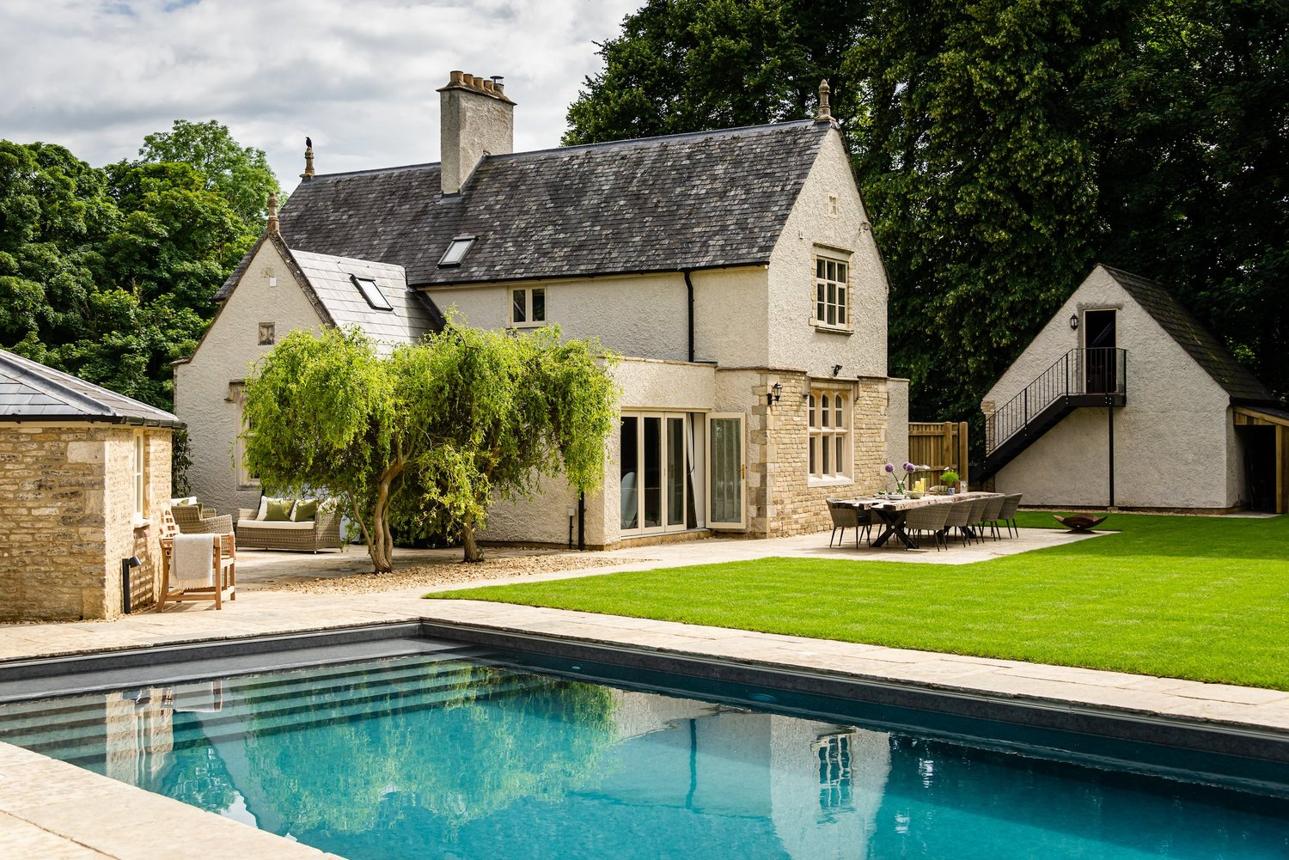
Luxury is changing. The era of oversized logos, extravagant displays and attention-grabbing statements is giving way to something more understated. Increasingly, the most desirable homes, wardrobes and travel experiences are those that whisper rather than shout, embracing craftsmanship, authenticity and timeless design over conspicuous consumption.
Nowhere is this shift more evident than in the countryside aesthetic, where quiet luxury has evolved into a lifestyle that celebrates natural beauty, heritage architecture and considered living. From restored farmhouses and boutique rural retreats to tailored tweed jackets and handcrafted interiors, the countryside has become the perfect expression of understated sophistication. Quiet luxury is defined by quality, longevity and subtle elegance rather than overt branding or excess.

A Return to Authenticity
The countryside aesthetic is not about creating an image. It is about embracing a slower pace of life and investing in experiences and surroundings that feel genuine. Exposed beams, natural stone, oak furniture and soft neutral palettes create spaces that prioritise comfort and craftsmanship over trends.
This philosophy extends beyond interiors. Country living has become synonymous with quality materials, bespoke tailoring and enduring design, reflecting the broader principles of quiet luxury that favour longevity over seasonal fashion cycles.
Rather than chasing the latest statement piece, the modern countryside wardrobe is built around timeless staples: cashmere knitwear, leather boots, waxed jackets and perfectly cut outerwear designed to last for years rather than months.
“The most enduring luxury is often the one that doesn’t seek attention.”
The Rise of Rural Escapes
As remote working and flexible lifestyles have become more common, many people are rediscovering the appeal of the countryside. Weekend escapes to rolling hills, picturesque villages and boutique manor houses offer an opportunity to disconnect from constant digital stimulation and reconnect with nature.
Destinations such as the Cotswolds, the Yorkshire Dales and the Scottish Highlands have become increasingly popular among travellers seeking refined experiences that prioritise tranquillity over spectacle. Luxury in these settings is expressed through exceptional hospitality, locally sourced cuisine and thoughtful design rather than opulence for its own sake.
The appeal lies in simplicity executed to perfection, whether that’s a roaring fire in a centuries-old inn, a handcrafted breakfast using regional produce or uninterrupted views across open countryside.

Design That Stands the Test of Time
Interior design has embraced the same philosophy. Instead of bold colours and fast-moving trends, quiet luxury interiors rely on natural textures, muted tones and artisanal craftsmanship.
Linen fabrics, reclaimed wood, handmade ceramics and carefully curated antiques create homes that feel collected rather than decorated. Every object serves a purpose, and every material is chosen for its quality and longevity.
This emphasis on restraint has become increasingly influential across both architecture and interior design, reflecting a broader movement towards sustainable consumption and investment in products built to endure.
Fashion Without Flash
The countryside aesthetic has also reshaped modern luxury fashion. Heritage brands known for impeccable tailoring and exceptional materials have gained renewed relevance as consumers seek clothing that communicates sophistication without relying on visible logos.
Earthy tones, structured outerwear and understated accessories have become signatures of the look, creating an appearance that feels effortless yet highly considered. The emphasis is on confidence rather than display, allowing craftsmanship to speak louder than branding.
This approach aligns closely with the broader quiet luxury movement, which values discretion, authenticity and timeless style above fleeting trends.

More Than a Trend
Although quiet luxury has become a widely discussed concept, its principles are far from new. The appreciation of craftsmanship, heritage and understated elegance has long been associated with enduring luxury brands and traditional country living. What has changed is the growing recognition that genuine quality often outlasts spectacle.
For many consumers, investing in fewer but better-made products, choosing meaningful travel experiences and embracing slower living reflects a broader shift towards intentional consumption and lasting value.
The Future of Countryside Luxury
As tastes continue to evolve, the countryside aesthetic is proving that luxury does not need to be loud to be desirable. In fact, its greatest strength lies in its restraint.
From beautifully restored cottages and heritage hotels to carefully tailored wardrobes and artisan-made furnishings, quiet luxury celebrates the idea that elegance is found in detail, not display. It is an approach that values permanence over novelty and substance over showmanship.
For those seeking a more thoughtful interpretation of modern luxury, the countryside offers an enduring blueprint: one where timeless design, exceptional craftsmanship and a deep connection to place combine to create experiences that feel both authentic and unforgettable.
Featured Video
For visual inspiration, look for cinematic travel films and design tours showcasing the English countryside, Cotswolds villages and luxury rural retreats, which perfectly capture the calm, understated elegance associated with the quiet luxury movement.