



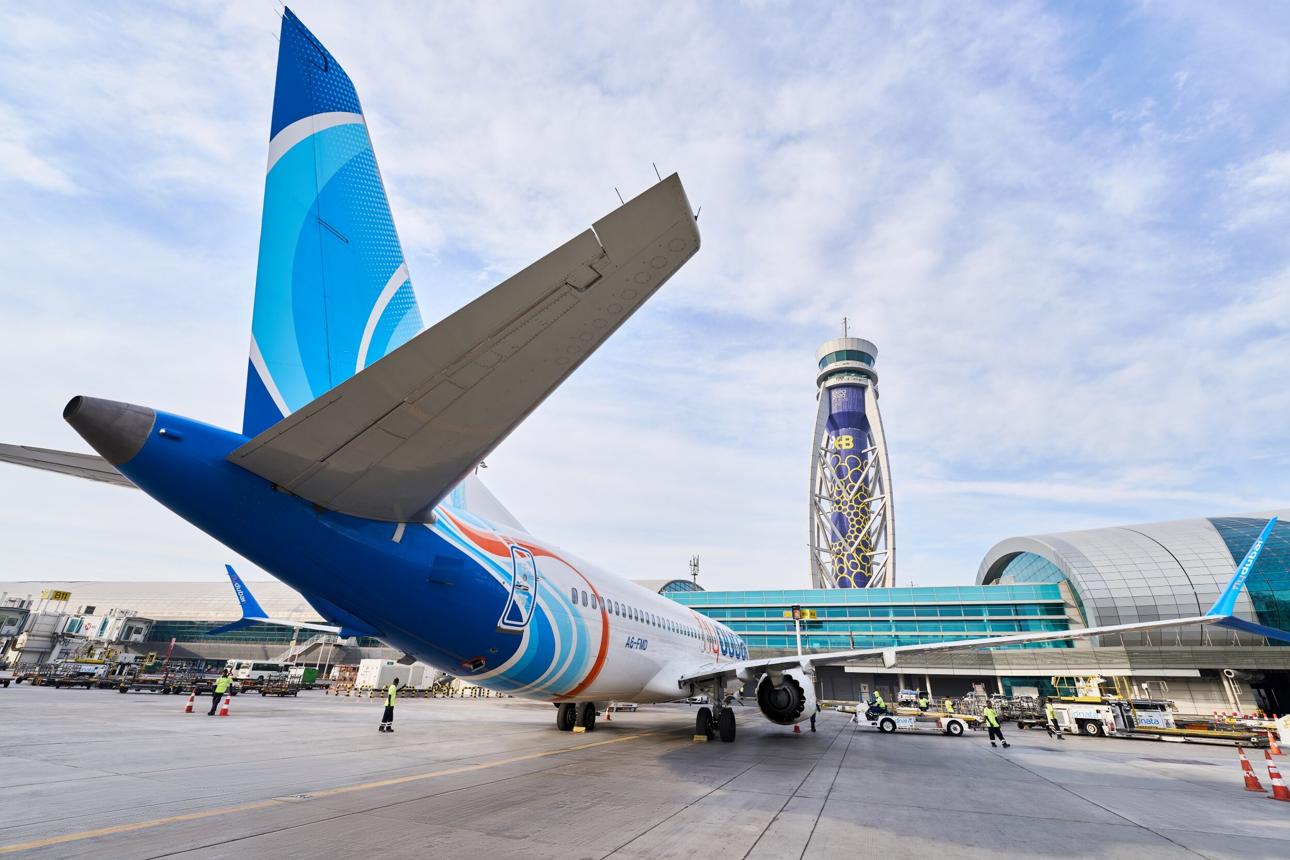
The aviation industry has once again been reminded of how quickly geopolitical developments can reshape airline networks. Flydubai has announced a series of schedule reductions across several destinations in the former Yugoslavia, adjusting capacity as airlines across the region continue to navigate the operational challenges created by ongoing instability in the Middle East.
While the airline remains committed to serving its regional network, the revised schedules highlight the ongoing pressures facing carriers operating through increasingly complex airspace environments. Longer flight paths, operational constraints and evolving demand patterns are forcing airlines to continually reassess their networks and capacity plans.
“In modern aviation, flexibility has become just as important as fleet size or route networks.”
A Significant Adjustment Across the Balkans

According to updated schedules, Flydubai has reduced frequencies across several destinations in the Balkans through at least early October.
Belgrade will continue to receive twice-daily service, although weekly frequencies have been reduced from the previously planned seventeen flights per week to fourteen. Zagreb has seen one of the largest adjustments, with services reduced to three weekly flights throughout much of the summer period instead of the originally planned daily schedule. Ljubljana has also experienced notable reductions, with only two weekly flights scheduled during the summer months.
Sarajevo has been less affected, with only modest reductions during July before returning to planned frequencies later in the season. Meanwhile, Dubrovnik’s seasonal service launch has been delayed until July, while Tivat remains the only destination in the region unaffected by the latest operational changes.
The Wider Impact of Regional Instability
Airlines across the Middle East and Europe have faced ongoing challenges throughout 2026 as security concerns and airspace restrictions continue to influence operations.
Many carriers have been forced to reroute flights, resulting in longer journey times, increased fuel consumption and greater scheduling complexity. Flydubai itself has previously confirmed that it continues to operate a reduced schedule across parts of its network while closely monitoring regional developments.
These challenges are not unique to Flydubai. Across the global aviation sector, airlines have become increasingly accustomed to adapting schedules in response to geopolitical events, weather disruptions and operational constraints.
“Airlines today must balance commercial demand with operational realities that can change almost overnight.”
Maintaining Connectivity Despite Challenges

Despite the reductions, Flydubai continues to maintain an important role connecting the Balkans with Dubai and the wider Middle East, Asia and Africa through its hub network.
The airline has grown significantly since its launch and now serves more than 130 destinations across multiple continents, providing vital connectivity for both leisure and business travellers.
The current schedule revisions appear to be focused on managing operational efficiency while preserving market presence until conditions stabilise. Several routes are currently expected to see frequencies restored later in the year, although airlines remain cautious given the unpredictable nature of regional developments.
Video: How Airlines Adapt During Airspace Disruptions
Understanding how airlines manage route disruptions, flight rerouting and network planning provides valuable insight into the operational decisions currently affecting carriers across Europe and the Middle East.
A Test of Aviation Resilience
The latest changes demonstrate how interconnected global aviation has become. A geopolitical event in one region can quickly influence airline schedules thousands of miles away, affecting passengers, airports and tourism sectors across multiple countries.
For airports in Belgrade, Zagreb, Ljubljana, Sarajevo and Dubrovnik, the reductions may result in fewer available seats during the summer travel season. However, the continued operation of services also demonstrates airlines’ determination to maintain connectivity wherever possible.
As demand for international travel continues to recover globally, carriers are increasingly focused on balancing growth opportunities with operational resilience.
Looking Ahead
Flydubai’s latest network adjustments reflect the realities of operating in an increasingly complex aviation environment. While the airline has reduced frequencies across several Balkan destinations, it continues to maintain a substantial presence in the region and remains committed to restoring services as conditions allow.
For travellers, the changes serve as a reminder of the importance of checking schedules regularly and remaining flexible when planning international journeys. For the aviation industry, they highlight a broader truth: resilience, adaptability and strategic planning are now among the most valuable assets any airline can possess.
As the situation evolves, airlines across Europe and the Middle East will continue to adjust their operations accordingly, ensuring safety remains the overriding priority while keeping passengers connected to the destinations that matter most.