



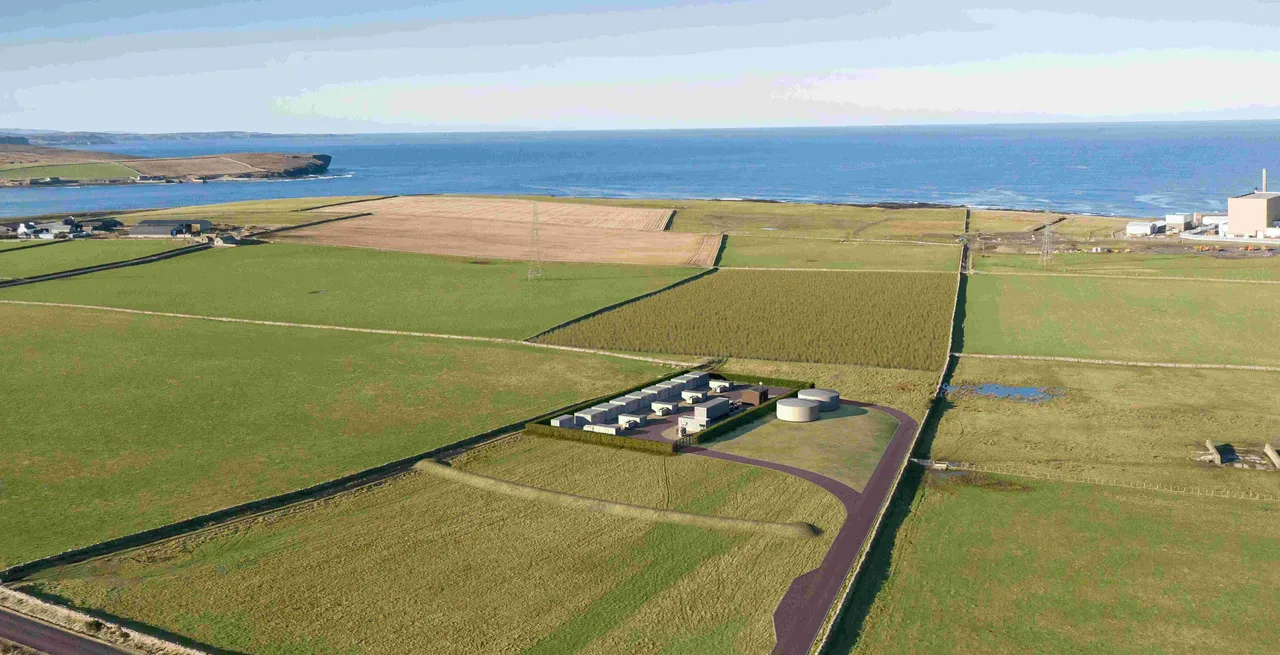
Root-Power Advances Three Major Battery Storage Projects
UK energy storage developer Root-Power has awarded contracts worth approximately £50 million to engineering, construction and electrical infrastructure companies supporting three battery energy storage system (BESS) projects across Scotland and Surrey.
The projects form part of the UK’s transition towards a cleaner and more flexible energy system, with construction expected to begin over the next 18 months as the government advances its Clean Power 2030 ambitions.
The contracts have been awarded to Steve Morgan Associates, Hedigan Construction, Engineering Power Solutions (EPS) and RJ Power, bringing together specialist expertise in civil engineering, electrical infrastructure and project delivery.
Three Sites Set to Strengthen the UK Energy Network
The three facilities will be developed in Dounreay near Thurso in Scotland, Caterham in Surrey and the Broomloan area of Glasgow.
The Dounreay site will have a planned capacity of 34MW, while the Caterham facility will provide 12MW of battery storage. The Glasgow project is planned to deliver 50MW, bringing the combined capacity of the three developments to 96MW.
Once operational, the facilities are expected to help balance electricity supply and demand, improve grid flexibility and support the integration of renewable energy into the national network.
Battery storage plays an increasingly important role in managing fluctuations in electricity generation, particularly as the UK expands its use of wind and solar power.
Engineering and Construction Companies Secure Key Contracts
The appointments represent a significant opportunity for several UK-based businesses working across the energy infrastructure sector.
South Wales-based Steve Morgan Associates will provide civil and structural engineering consultancy for the Dounreay project. Its responsibilities include designing foundations, site layouts, drainage and other essential infrastructure.
Hedigan Construction, a Birmingham-based civil engineering and building contractor, has secured the contract for the Caterham facility. Once operational, the 12MW project is expected to supply power equivalent to the needs of approximately 24,000 homes.
For the Glasgow development, Root-Power is procuring a UK-based civil engineering contractor to undertake site preparation, trenching, ducting and enabling works.
Meanwhile, Teesside-based Engineering Power Solutions will provide design expertise, engineering consultancy and safety support across all three schemes.
RJ Power, a London-based electrical engineering company within the Ipsum Group, has also been appointed to design and build the electrical infrastructure needed to connect the facilities to the electricity grid.
Battery Storage Supports a More Flexible Energy Future
According to Root-Power managing director Neil Brooks, establishing the right partnerships is essential to delivering the technical requirements of each project and ensuring the facilities can become fully operational on the grid.
He highlighted the importance of expanding the company’s battery storage portfolio while contributing to stronger UK energy infrastructure.
The three sites have been selected based on local energy demand and their proximity to grid connection points. Once operational, they are expected to help reduce electricity price volatility and create a more resilient and flexible energy network for businesses and communities.
As the UK works towards its Clean Power 2030 ambitions, developments such as these demonstrate the growing importance of energy storage in supporting a reliable, lower-carbon electricity system.
A Growing Market for UK Energy Infrastructure
The latest contracts build on Root-Power’s wider development pipeline. In July 2025, the company secured planning permission for its 50MW/100MWh Lucky Star battery energy storage project near Herne Bay in Kent.
The latest three schemes further highlight the opportunities emerging for engineering, construction and electrical infrastructure businesses as investment in the UK’s energy transition continues.
With construction expected to begin over the next 18 months, the projects mark another step towards expanding the country’s battery storage capacity and strengthening the infrastructure needed for a more sustainable energy future.
Source: Solar Power Portal
Image: Root-Power