



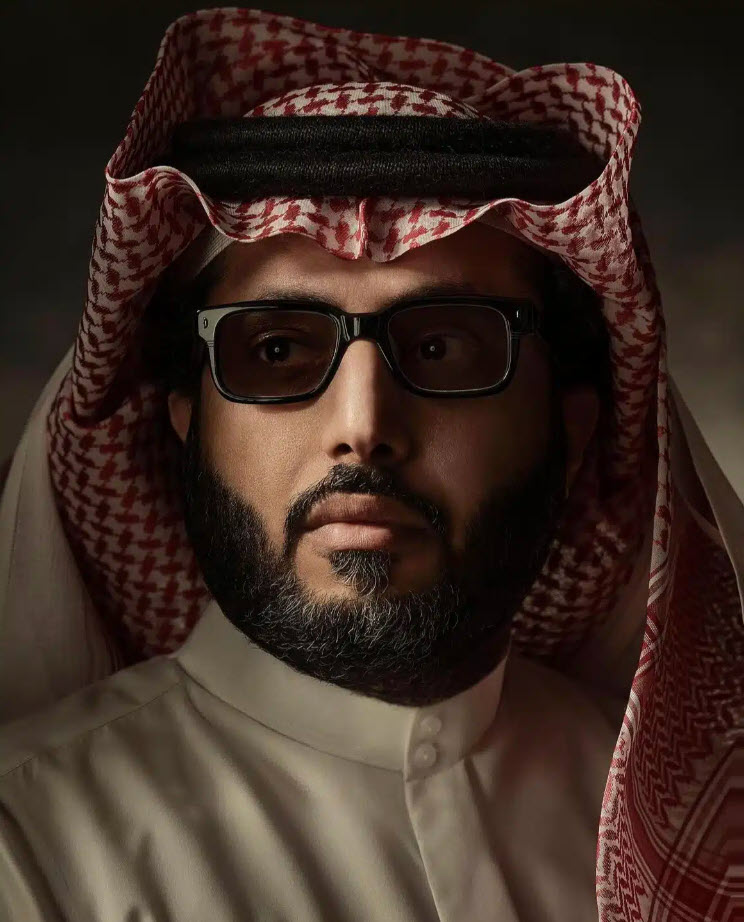
How Turki Alalshikh and Saudi Arabia are reshaping the economics and reach of global sport.
Saudi investment has brought major boxing contests together, reshaped parts of the sporting calendar and placed Riyadh at the centre of high-profile events. Its longer-term impact will depend on whether that attention becomes a sustainable business.
Before a major Riyadh Season fight, boxing stops feeling like a niche sport defending its corner and starts behaving like the centre of the world. The lights sweep the arena, rival promoters share a stage and the broadcast carries the scale of a Champions League final. At the centre sits Turki Alalshikh, chairman of Saudi Arabia’s General Entertainment Authority and one of modern boxing’s most consequential power brokers.
What changed when Saudi Arabia entered the ring
Money is the obvious answer, but not the complete one. Boxing had wealthy broadcasters and promoters before Riyadh emerged. What it often lacked was the financial incentive for cooperation. With Saudi backing, Alalshikh helped bring competing promoters together for contests including Fury–Usyk and Beterbiev–Bivol, alongside the Matchroom versus Queensberry event. The spending has eased some of boxing’s traditional negotiating obstacles, although it has not removed them.
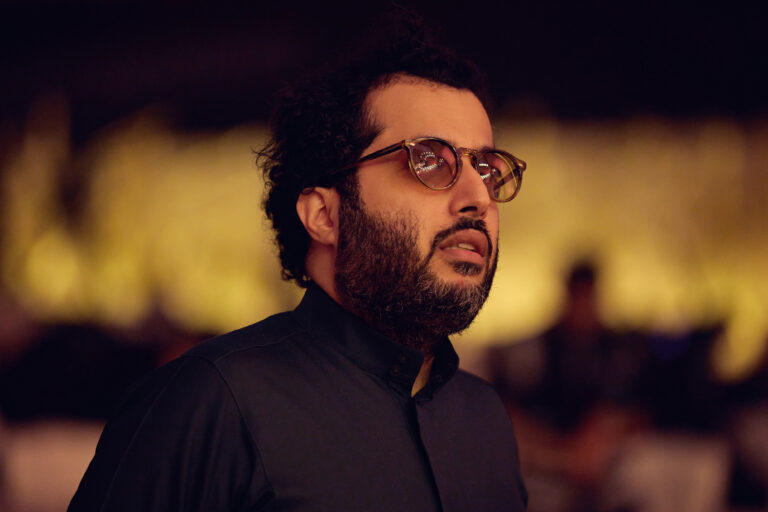
Is this Alalshikh’s money or Saudi Arabia’s strategy
The distinction matters. Saudi sports funding is an ecosystem, not one man’s chequebook. The General Entertainment Authority oversees Riyadh Season entertainment events; the Ministry of Sport leads sporting policy and club development; and the Public Investment Fund owns or backs assets including Sela and investments in football and golf. Alalshikh is a prominent figure in boxing and entertainment within Saudi Arabia’s wider Vision 2030 strategy.
That strategy seeks to diversify the economy, expand tourism and encourage investment. In 2023, PIF acquired 75 per cent stakes in Al Hilal, Al Nassr, Al Ahli and Al Ittihad. In May 2025, Reuters cited filings assessed by Money in Sport that put PIF-backed LIV Golf funding at approximately $4.58 billion. Reuters had separately reported discussions in 2024 about a proposed boxing venture valued at $4 billion to $5 billion; that was a reported proposal, not an agreed spending commitment. Such figures describe different entities and periods, not a combined sports budget.
Why has boxing become the perfect showcase
Football builds allegiance over seasons; boxing can command attention for one night. That makes prizefighting a potent global showcase. It travels well, creates genuine competitive jeopardy and can reach audiences across borders. Alalshikh has placed particular emphasis on major match-ups and deep fight cards, with theatrical presentation adding to the scale of the occasions.
The ambition has not been limited to Riyadh. Saudi-backed events have also reached major venues in Los Angeles and London, linking the Riyadh Season brand to established boxing markets. But overseas events alone do not prove that the investment will deliver lasting economic benefits at home.
Has boxing really joined football in the mainstream
Not in weekly audiences, grassroots reach or cultural permanence: football remains the dominant global sport. Yet Saudi-backed boxing has generated major appointment-viewing occasions. Heavyweight unifications and cross-promotional cards have moved into the broader sports news cycle. Their reach can be amplified by celebrities, footballers and social platforms, even as boxing remains a more episodic proposition.
The funding therefore serves several purposes. Football offers recurring visibility; boxing delivers concentrated international spectacle. Golf, motorsport, tennis and other sports extend Saudi Arabia’s reach across different audiences. But commercial outcomes differ sharply across those investments, and some ventures have faced mounting pressure to justify costs.
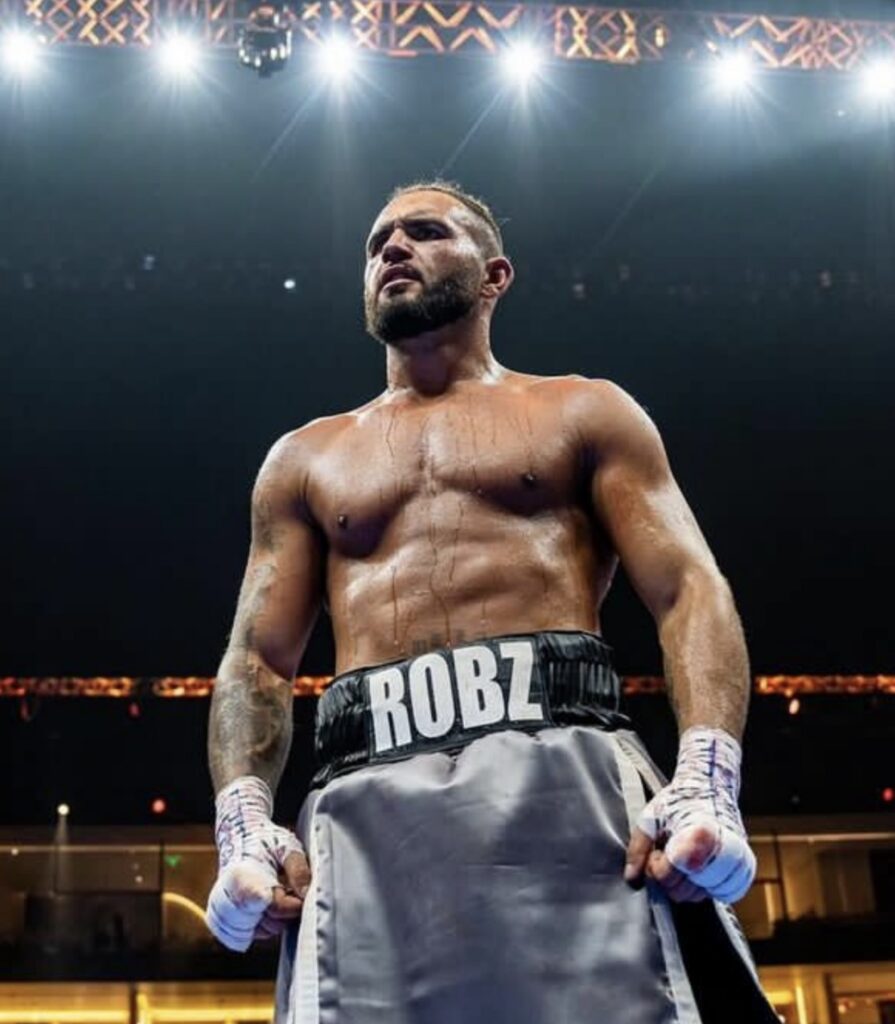
Image: Stockholm141
What does the investment buy beyond television pictures
At its best, investment can develop event production, hospitality, media expertise, jobs and participation. Saudi Arabia’s Vision 2030 Annual Report 2025 said 59.1 per cent of adults met its regular-activity measure, with 133 sports clubs across 12 sports and 25 women’s national teams. These are wider national measures, not outcomes that can be attributed directly to celebrity events. The argument for elite spectacle is that it may support a larger sporting economy.
The commercial test is conversion. Can international attention translate into repeat tourism, sponsorship, local expertise and investable businesses? And can those businesses endure if public spending becomes more selective? That question matters as much as the next headline fight.
What about the charge of sportswashing
The charge cannot be ignored. Human Rights Watch and other campaigners argue that Saudi Arabia uses high-profile sporting events to distract from restrictions on expression and from concerns about women’s rights, LGBT rights and migrant workers. Saudi authorities, meanwhile, present sporting investment as part of economic diversification and social reform. Both the investment’s economic returns and its wider human-rights context deserve scrutiny.
A credible long-term model requires transparent governance, athlete welfare, independent journalism, anti-doping safeguards and measurable economic and social outcomes. Major spending can secure events quickly; trust and sustainable institutions take longer to build.
Can the model last
The answer depends on whether Saudi involvement develops beyond buying events. Alalshikh acquired The Ring magazine in November 2024, and in March 2025 he joined TKO Group Holdings and PIF-backed Sela in announcing a new boxing promotion. TKO was named managing partner, bringing operational and media expertise. “Today marks a new chapter in boxing history,” Alalshikh said in his announcement. Such moves create an interest in the structures around boxing, as well as individual fight nights, and bring questions of governance and potential conflicts of interest.
Sustainability will demand more from each investment. A lasting legacy would mean competitive fights, clearer development routes for young athletes and events that support lasting local skills and businesses. The difference between renting attention and building an industry lies in the results after the arena empties.
What is Alalshikh’s real impact
Alalshikh has made speed and financial firepower part of boxing’s negotiating equation. Fights that previously stalled have been delivered through large event budgets and cooperation among competing businesses. His direct public style has kept him visible, but promoters, broadcasters, fighters and regulators still influence which contests get made. His impact is substantial, not all-encompassing.
Saudi Arabia has not displaced football or resolved every structural weakness in boxing. It has helped make the sport an international headline again, while exposing a harder business question: can expensive spectacles support durable revenue and trusted institutions? The answer will determine whether this phase is remembered primarily for unprecedented spending or for lasting change.