




Shell plc has agreed to sell a 20 per cent minority interest in its deepwater Orca oil and gas project offshore Brazil to the Kuwait Foreign Petroleum Exploration Company (KUFPEC), in a move that reconfigures the ownership of one of the Brazilian pre-salt basin’s most anticipated developments and underscores broader investment trends in global upstream assets.
Under the terms of the agreement, Shell’s Brazilian unit, Shell Brasil Petróleo Ltda., will reduce its working interest in Orca from 70 per cent to 50 per cent, with Colombia’s state-controlled oil company Ecopetrol maintaining its 30 per cent stake, and KUFPEC taking the newly acquired 20 per cent share. Shell will continue as operator and technical lead on the project.
The transaction is expected to close by the end of 2026, subject to regulatory approvals, pre-emptive rights elections and customary closing conditions.
Orca in the Pre-Salt: Size, Scope and Strategic Value
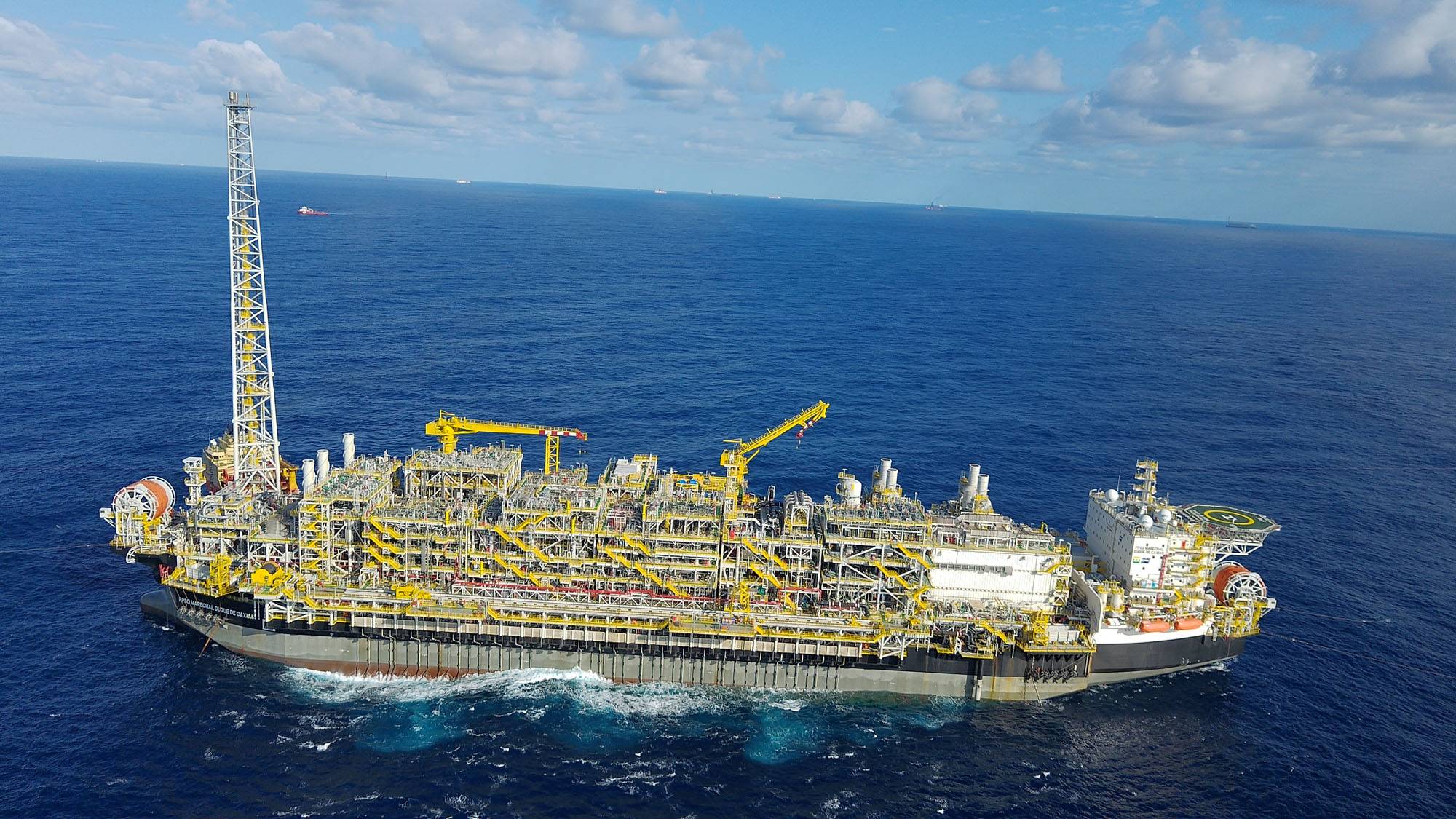
Orca, previously known as the Gato do Mato development, is a deepwater oil and gas project situated in the prolific pre-salt Santos Basin offshore Brazil, a region that has become one of the world’s most valuable deepwater hydrocarbon provinces. Once fully developed, the project is expected to produce around 120,000 barrels of oil per day and hold recoverable resources in the region of 370 million barrels, with first oil projected in 2029.
The deal does not alter Shell’s role as operator, meaning the company retains responsibility for running the project’s technical, operational and developmental phases — a significant aspect given the complexity and capital intensity of offshore pre-salt production.
Shell’s decision to bring in KUFPEC aligns with a broader industry strategy of capital optimisation and risk sharing, particularly for large offshore developments where initial investment outlays are high and technical challenges — such as deepwater drilling and pre-salt reservoir conditions — require robust financial and operational collaboration.
Strategic Implications for Shell and Partners
From Shell’s perspective, the divestment provides greater financial flexibility while preserving operational control over a strategic upstream asset. By reducing its capital exposure but maintaining leadership, Shell can reallocate resources across its global portfolio, balancing investments in both traditional upstream projects and low-carbon transition priorities.
For KUFPEC, entering the Orca partnership diversifies its international upstream footprint and positions the Kuwait-based energy investor in a high-profile Brazilian offshore project. The move reflects the broader ambitions of Middle Eastern national and international energy companies to participate in key global growth regions outside their home markets.
Meanwhile, Ecopetrol’s continued substantial stake underscores the Colombian oil company’s interest in maintaining significant exposure to deepwater production and long-term resource development in Latin America.
Brazil’s Offshore Energy Landscape
The Orca project forms part of Brazil’s expanding portfolio of pre-salt basin developments, which have attracted major international energy companies due to their large resource bases and export potential. Projects in the Santos Basin and adjacent pre-salt areas contribute meaningfully to Brazil’s status as a key player in global offshore oil production.
As the Orca development progresses toward first oil in the latter part of the decade, the recalibrated ownership structure will be watched closely by investors and industry analysts. It may serve as a bellwether for how oil majors and national energy firms collaborate on high-value offshore assets in a market environment where capital discipline and operational efficiency remain critical.