



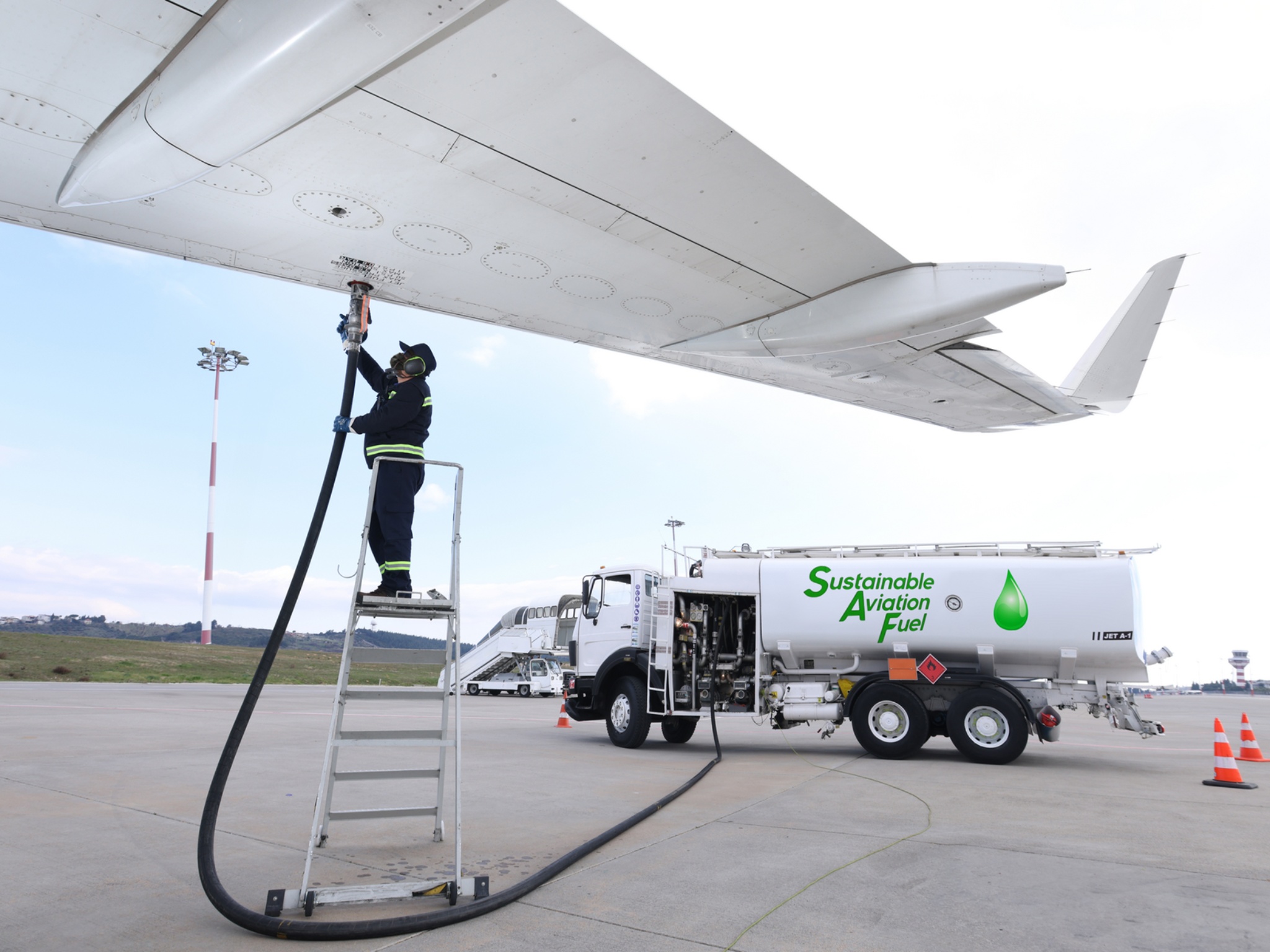
The European Union is easing pressure on fuel suppliers as the aviation industry struggles to produce enough sustainable aviation fuel (SAF) to meet new climate targets.
According to EU officials, the European Commission has reassured suppliers that they are unlikely to face immediate financial penalties if they fail to meet mandated green fuel volumes under the bloc’s new aviation decarbonisation rules.
The move reflects growing concern in Brussels that the rapid rollout of sustainable aviation fuel requirements could outpace the industry’s ability to deliver supply, potentially placing airlines and fuel providers in an impossible compliance position.
While the EU remains committed to decarbonising aviation, policymakers appear increasingly willing to adopt a more flexible enforcement approach as the market for alternative jet fuels develops.
The ReFuelEU Aviation Mandate
At the centre of the debate is the EU’s ReFuelEU Aviation initiative, a flagship policy designed to accelerate the use of lower-carbon aviation fuels across European airports.
The regulation requires jet fuel suppliers to blend increasing volumes of sustainable aviation fuels into conventional kerosene over time. Targets begin modestly but rise sharply in the coming decades:
- 2% SAF by 2025
- 6% by 2030
- 20% by 2035
- 70% by 2050
The policy aims to stimulate investment in next-generation aviation fuels made from waste feedstocks, recycled carbon and synthetic fuels produced using renewable energy.
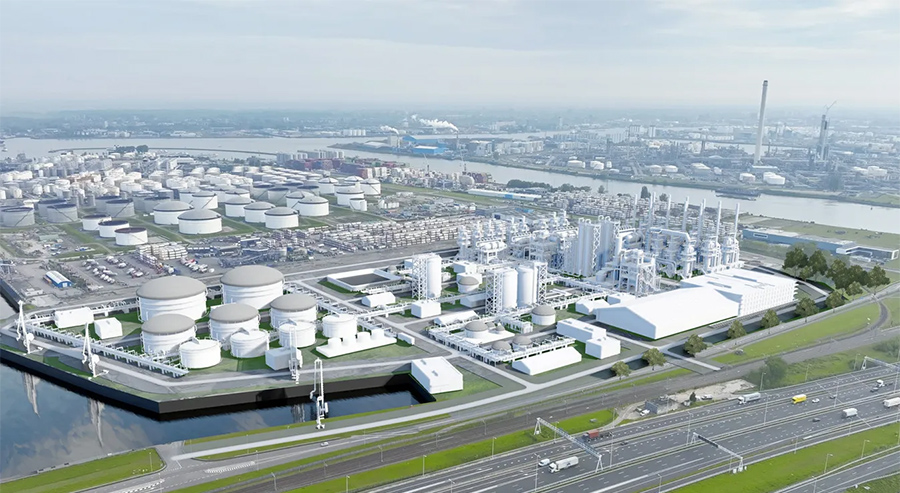
A key component of the framework is the development of e-fuels, also known as renewable fuels of non-biological origin, which are expected to play a major role in long-term aviation decarbonisation.
However, scaling production of these fuels remains one of the most complex challenges facing the aviation sector.
Video Insight: The Challenge of Sustainable Aviation Fuel
Aviation is one of the hardest sectors to decarbonise because aircraft require high-energy liquid fuels for long-distance travel.
Unlike road transport, which can increasingly rely on electrification, commercial aviation currently depends on liquid fuel alternatives to reduce emissions.
Sustainable aviation fuels are widely viewed as the most practical pathway toward achieving net-zero aviation in the coming decades.
A Supply Problem
4
Despite strong policy support, global production of sustainable aviation fuel remains extremely limited.
Today SAF accounts for less than 1% of global aviation fuel consumption, and the cost of production is significantly higher than traditional jet fuel.
In some cases, synthetic aviation fuels can cost ten times more than fossil kerosene, reflecting the high energy and infrastructure requirements needed to produce them.
Developing sufficient supply will require enormous investment in new fuel plants, renewable energy infrastructure and hydrogen production.
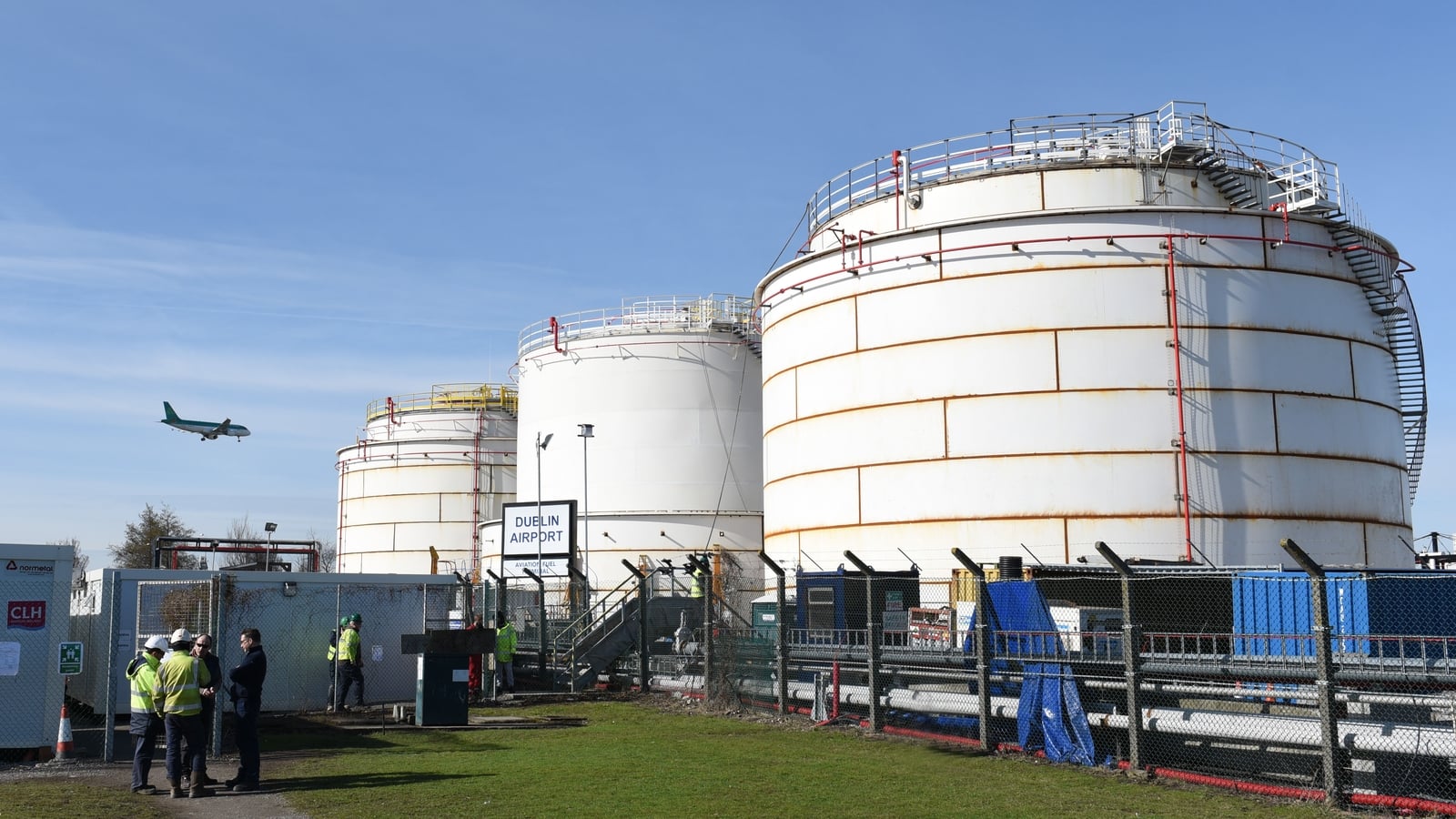
Industry estimates suggest that over 100 new SAF production facilities may be needed across Europe by 2050 to meet the EU’s long-term targets.
Without this expansion, airlines risk facing compliance obligations that the fuel market simply cannot fulfil.
Industry Pressure on Brussels
The Commission’s softer stance comes after months of lobbying from airlines, energy companies and airport operators.
Industry leaders warned that strict penalties could backfire if fuel suppliers fail to build production capacity fast enough.
Airlines argue they cannot purchase SAF that does not exist, while fuel producers say large-scale projects require long development timelines and billions in capital investment.
Some aviation groups have previously warned that missing e-fuel targets could result in multi-billion-euro compliance costs by 2030 if supply fails to materialise.
As a result, Brussels appears to be prioritising market development over strict enforcement in the early stages of the transition.
Balancing Climate Ambition and Industrial Reality
The EU’s decision highlights a broader tension within climate policy: the gap between ambitious emissions targets and the pace of technological deployment.
Aviation currently represents around 4% of the EU’s greenhouse-gas emissions, and demand for flights is expected to continue growing in the coming decades.
Reducing aviation emissions without restricting travel therefore depends heavily on scaling alternative fuels.
The Commission is now exploring additional measures to support the sector, including:
- funding for early SAF production projects
- market mechanisms to stabilise fuel prices
- partnerships between airlines and fuel producers
- investment incentives through EU climate funds
These policies aim to stimulate supply while maintaining the long-term trajectory toward net-zero aviation.
The Bigger Picture
The EU remains one of the world’s most ambitious regulators when it comes to aviation decarbonisation.
However, the decision to ease penalties suggests policymakers recognise the scale of the challenge facing the industry.
Building a viable sustainable aviation fuel market will require not only regulatory mandates but also massive infrastructure investment, technological innovation and global coordination.
For now, Brussels appears to be giving the industry more breathing room as it attempts to turn one of the most difficult climate transitions into a workable reality.