



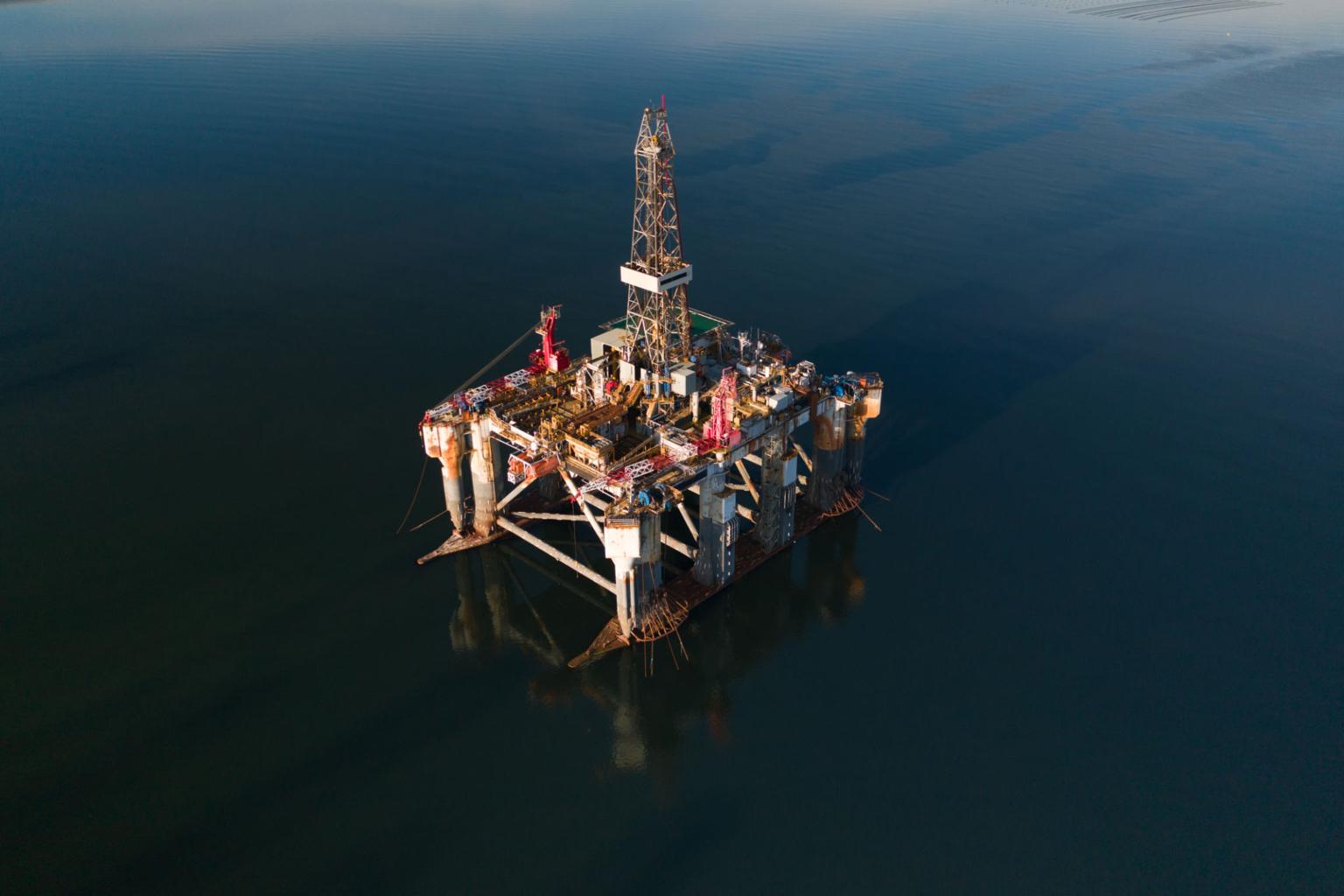
For decades, rising oil and gas prices typically meant prosperity for Aberdeen and the North Sea energy sector. When global prices climbed, offshore operators expanded drilling programmes, service companies hired staff, and supply vessels filled the harbour.
But the situation today is far more complicated.
Despite another surge in global oil and gas prices driven by geopolitical tensions and energy market volatility, analysts say a new boom for the North Sea is far from guaranteed. Instead, the region’s energy industry now sits at a crossroads shaped by taxation, investment uncertainty and the accelerating global energy transition.
When High Prices Meant Growth
Historically, the North Sea oil and gas industry was highly sensitive to price cycles.
When oil prices surged above key thresholds, exploration activity typically increased rapidly. Energy companies would approve new offshore projects, invest in ageing infrastructure and contract service firms across the region.
Aberdeen — often called Europe’s oil capital — benefited enormously from these cycles. Thousands of jobs in engineering, logistics and energy services depended on the health of offshore production.
At the peak of North Sea output in the early 1980s, production reached around 2.3 million barrels of oil per day, cementing the region’s importance to the UK economy.
But the industry today is very different.
Why Higher Prices May Not Trigger a New Boom

4
Although energy prices are rising again, several structural challenges are preventing the kind of investment surge that once defined North Sea cycles.
1. High Taxation
The UK government introduced the Energy Profits Levy (windfall tax) after energy prices surged in 2022. With the levy included, oil and gas producers face an effective tax rate of up to 78% on North Sea profits, significantly reducing the financial incentives for new projects.
Some operators argue that the tax regime discourages investment compared with other offshore regions.
2. Falling Production
North Sea oil output has declined dramatically over the past four decades as fields mature. Production has dropped from its 1980s peak to roughly 530,000 barrels per day in recent years.
This structural decline means even high prices cannot easily reverse the long-term trend.
3. Investment Uncertainty
Energy companies require long investment horizons to approve offshore developments. Policy uncertainty — including debates over windfall taxes, licensing and the energy transition — has caused some companies to pause projects or redirect capital elsewhere.
In some cases, billions of pounds of potential investment have been delayed while companies wait for clearer long-term policy signals.
Global Energy Tensions Are Pushing Prices Higher
4
The latest price surge has been driven largely by geopolitical developments.
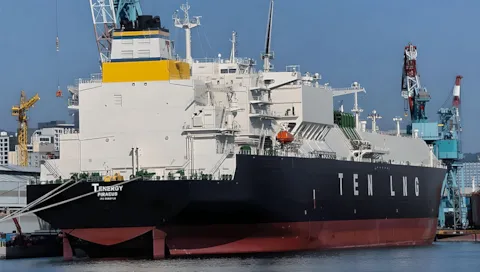
Conflicts in the Middle East have disrupted energy markets and raised concerns about supply through critical shipping routes such as the Strait of Hormuz. Analysts warn that sustained disruption could push crude prices above $100 per barrel and raise global inflation.
In the past, such price spikes would likely have triggered aggressive new exploration campaigns across the North Sea.
Today, however, energy companies must balance short-term price signals with long-term uncertainty about fossil fuel demand.
The Energy Transition Factor
Another key difference compared with earlier oil price booms is the accelerating transition toward renewable energy.
Governments across Europe are investing heavily in offshore wind, hydrogen and electrification technologies. Projects such as Scotland’s proposed Green Volt floating wind farm highlight how the North Sea itself is becoming a hub for renewable energy infrastructure.
For many companies, the strategic focus is shifting from expanding fossil fuel production toward managing the decline of mature oil basins while developing new energy technologies.
This does not mean oil and gas production will disappear overnight. The North Sea still holds significant resources, including large undeveloped fields such as Rosebank, which could produce hundreds of millions of barrels of oil equivalent.
However, the long-term investment environment is increasingly shaped by climate policy and decarbonisation targets.
Aberdeen’s Uncertain Future
For Aberdeen and the wider north-east Scotland economy, the stakes are significant.
The region still hosts a vast ecosystem of energy companies, engineering firms and supply chain businesses. Many of these organisations are already diversifying into offshore wind, carbon capture and hydrogen technologies.
But the transition is not straightforward. Industry leaders warn that without a stable policy environment, investment could shift to other energy regions around the world.
The Bigger Picture
Rising oil and gas prices might once have guaranteed a new boom for the North Sea. Today, they provide only part of the story.
The region now sits at the intersection of three powerful forces:
- volatile global energy markets
- government tax and climate policy
- the long-term transition toward cleaner energy systems
Higher prices may provide short-term relief for energy companies, but the future of the North Sea will ultimately depend on whether it can evolve from a traditional oil province into a broader integrated energy basin.
In that sense, Aberdeen’s next chapter may be defined not by another oil boom, but by how successfully the region adapts to the changing energy landscape.