



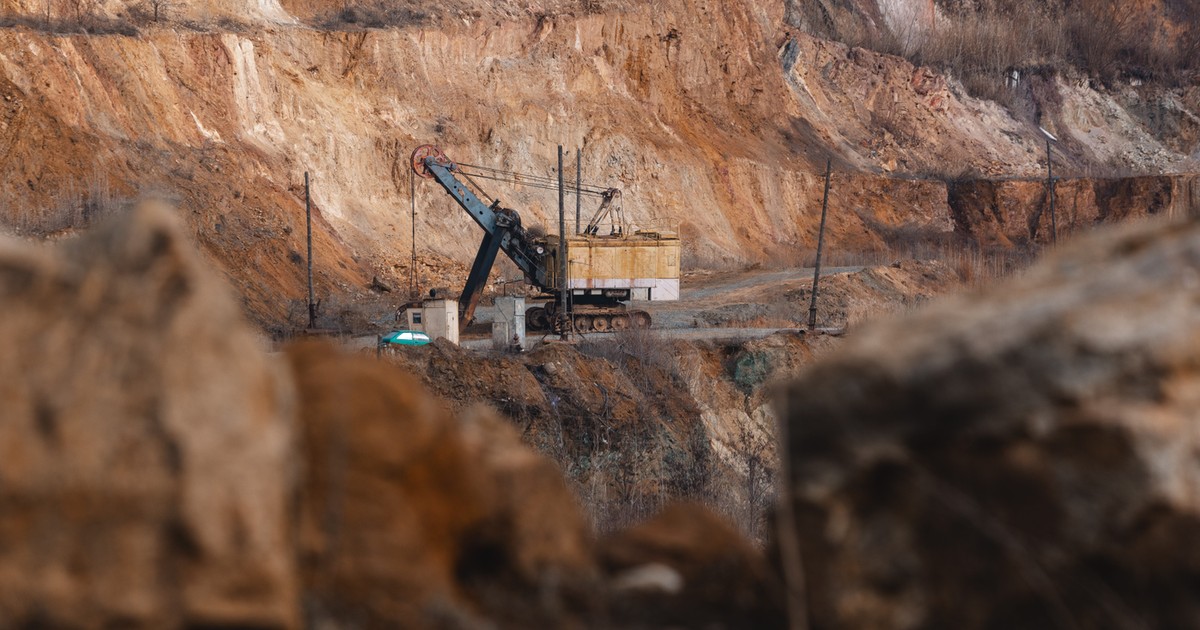
A British mining company has discovered a significant new graphite deposit in northern Uganda, a development that could strengthen Africa’s position in the rapidly expanding global market for electric-vehicle battery minerals.
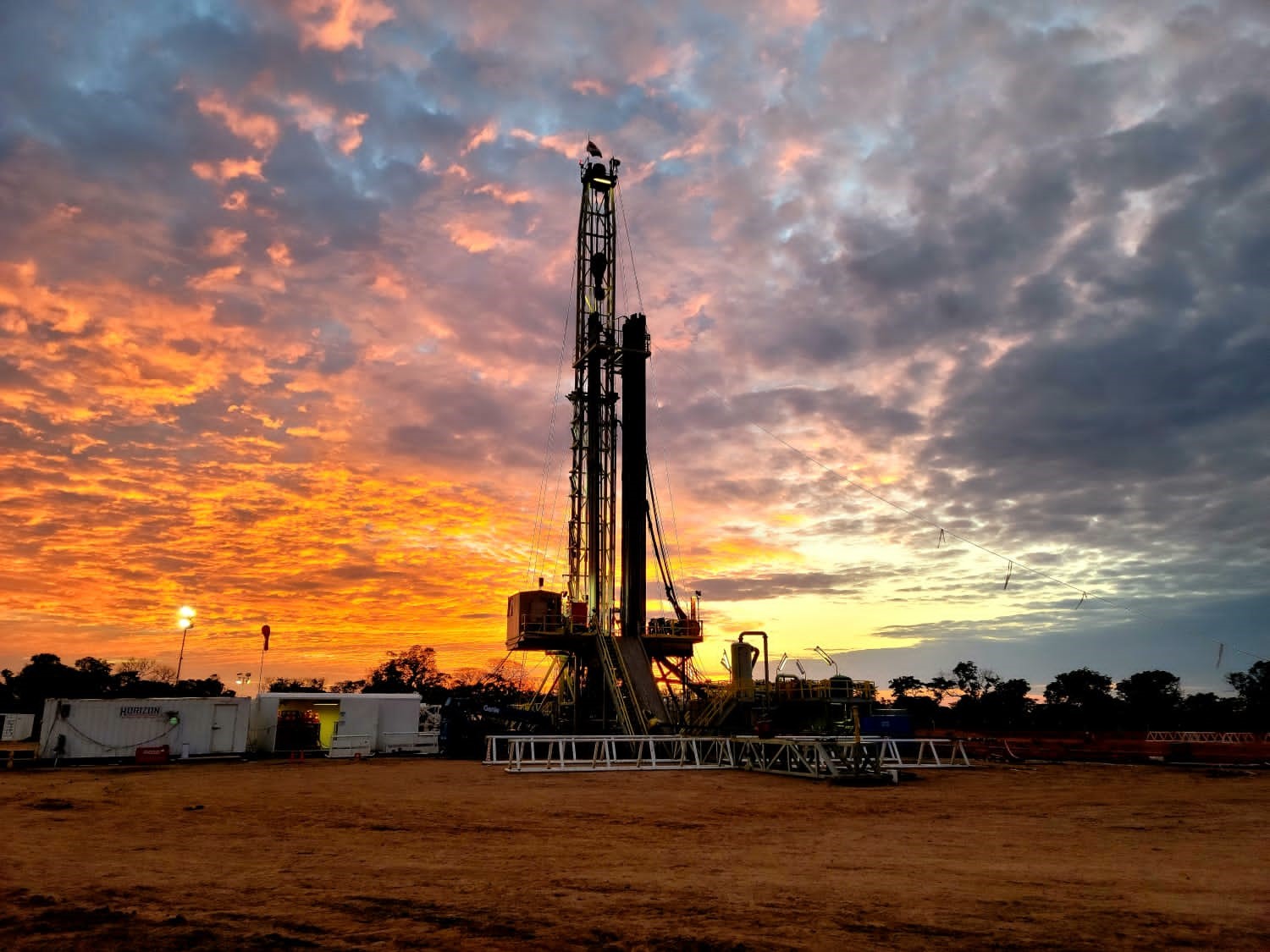
The discovery was made by Blencowe Resources at its Orom-Cross graphite project in Uganda’s Kitgum district. The company identified a new deposit known as Iyan, which substantially expands the potential of the overall project.
Initial exploration indicates the Iyan prospect could contain around 16.9 million tonnes of graphite-bearing material, adding a third major resource area to the site alongside the previously identified Northern Syncline and Camp Lode deposits.
With the addition of the new deposit, the total estimated resource potential of the Orom-Cross project has increased by about 66%, significantly boosting confidence in its long-term development prospects.
A Strategic Mineral for the EV Revolution
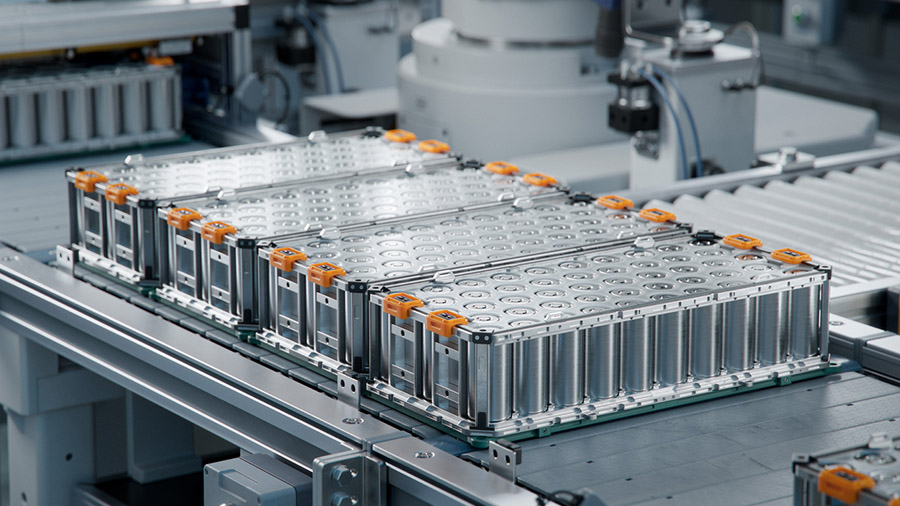
Graphite is a critical material in the production of lithium-ion batteries, where it is used in the anodes that store and release energy. These batteries power electric vehicles, smartphones, laptops and other electronic devices.
As global EV adoption accelerates, demand for battery minerals such as lithium, cobalt, nickel and graphite has surged. Graphite is particularly important because each electric vehicle requires significantly more graphite than lithium in its battery pack.
However, the global supply chain for graphite is heavily concentrated. China currently dominates both the mining and processing of graphite, creating strategic concerns for Western governments seeking secure supply chains for battery materials.
This has sparked a worldwide effort to identify and develop alternative sources of critical minerals.
Uganda’s Emerging Mining Opportunity
4
The Orom-Cross project could play a key role in diversifying Uganda’s economy, which has historically relied heavily on agriculture and small-scale mining.
If fully developed, the site is expected to become Uganda’s first major graphite mine, potentially transforming the country into an emerging supplier of battery minerals for global markets.
The project could also deliver wider economic benefits, including:
- New jobs in mining and engineering
- Infrastructure development in northern Uganda
- Increased export revenue
- Greater foreign investment in the country’s mining sector
Developers currently plan to begin production in 2027, initially targeting 20,000 tonnes of graphite concentrate per year. A later expansion phase could increase output to around 70,000 tonnes annually.
To move forward, the project still requires approximately $160 million in investment to finance construction and infrastructure.
The Global Race for Critical Minerals
4
The discovery comes amid intensifying geopolitical competition over critical minerals needed for clean-energy technologies.
Western countries—including the United States and members of the European Union—are increasingly seeking alternative sources of battery minerals outside China. Africa has become a focal point in that effort due to its vast untapped reserves of lithium, graphite, cobalt and rare earth elements.
Projects such as Orom-Cross could therefore play an important role in reshaping global supply chains for EV batteries.
For companies like Blencowe Resources, the strategic significance of these minerals is growing rapidly as governments and manufacturers attempt to secure reliable supply for the global energy transition.
Looking Ahead
While the discovery is promising, significant work remains before commercial production begins. Additional drilling, feasibility studies and environmental assessments will be required before the newly identified deposit can be fully integrated into the project’s development plan.
Still, the discovery highlights how Africa is increasingly emerging as a central player in the global battery-materials economy.
As demand for electric vehicles continues to accelerate, new mineral discoveries like the Orom-Cross graphite project could become critical building blocks in the supply chains powering the next generation of energy technologies.