



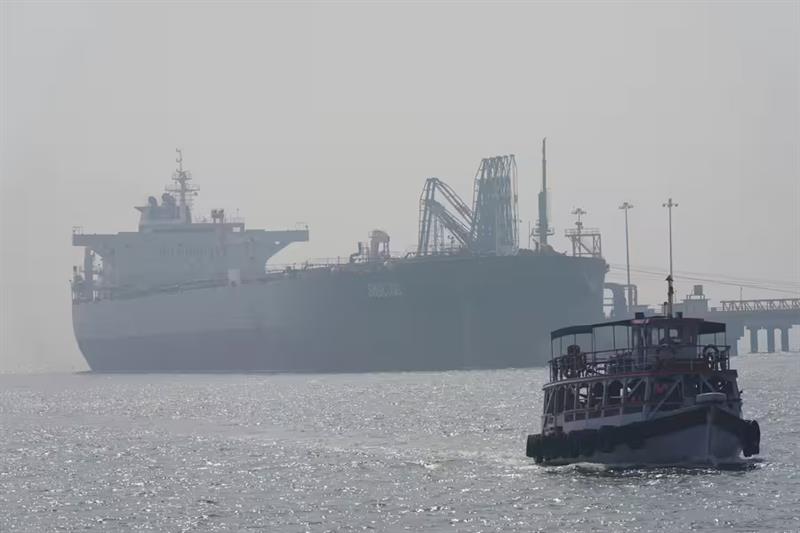
A New Energy Shock Ripples Across Asia
Asia’s largest economies are facing a growing energy crisis as conflict involving Iran disrupts the Strait of Hormuz, one of the world’s most critical shipping routes for oil and liquefied natural gas (LNG).
The narrow waterway carries around 20% of global oil supply and large volumes of LNG, making it a vital artery for energy markets. When shipping traffic collapsed amid escalating hostilities, energy flows to Asia were immediately threatened, sending oil prices surging and forcing governments to scramble for alternatives.
Countries including China, Japan, South Korea and India rely heavily on Middle Eastern energy imports, leaving them particularly vulnerable to disruption in the region.
The sudden interruption has triggered what analysts describe as one of the most severe energy shocks in recent decades.
Oil and LNG Supplies Under Pressure
The war’s impact on energy infrastructure has intensified the crisis. Iranian strikes and retaliatory attacks have disrupted production facilities and tanker routes across the Gulf region.
At the same time, LNG exports from Qatar—one of the world’s largest gas suppliers—have been severely affected, cutting off a major source of fuel for Asian markets.
With supply chains strained, Asian buyers are racing to secure alternative cargoes of LNG, diverting shipments from other regions and competing with European demand.
Energy prices have reacted sharply. Brent crude surged above $100 per barrel, while gas prices across global markets have jumped as traders anticipate prolonged disruption.
For energy-importing economies, the consequences could ripple through inflation, industrial production and economic growth.
Canada Emerges as a Strategic Alternative
In the search for reliable energy supplies, attention is increasingly turning to Canada’s emerging LNG export industry.
Canada’s Pacific coast offers a geographically attractive route to Asian markets, allowing shipments to bypass the geopolitically sensitive chokepoints of the Middle East. Analysts argue that Canadian LNG could eventually provide a more stable supply source for Asia, particularly as new export terminals come online.
However, there is a major timing challenge. Even if new projects proceed rapidly, large-scale LNG exports from Canada are unlikely to begin before the end of the decade, leaving a significant gap in the short term.
This delay highlights the structural nature of the problem: building global energy infrastructure takes years, while geopolitical crises can disrupt supply overnight.
Asia’s Structural Energy Vulnerability
The crisis has exposed a long-standing vulnerability in Asia’s energy system.
Many Asian economies import the majority of their oil and natural gas from the Middle East. The region’s rapid economic growth has driven enormous energy demand, but domestic production remains limited.
As a result, Asian countries must rely on long maritime supply chains that pass through a small number of strategic chokepoints such as:
- the Strait of Hormuz
- the Strait of Malacca
- the South China Sea shipping lanes
When disruptions occur in any of these corridors, the consequences can spread quickly across global markets.
Governments Deploy Emergency Measures
Governments and international organisations are now attempting to stabilise markets and maintain supply.
The International Energy Agency (IEA) has coordinated a release of more than 400 million barrels of oil from emergency reserves to help offset the supply shock.
At the same time, energy-importing nations are implementing contingency measures, including:
- tapping strategic fuel reserves
- encouraging energy conservation
- securing additional LNG cargoes from the United States and other exporters
These actions may provide temporary relief, but analysts warn they cannot fully replace disrupted Middle Eastern supplies.
The Global Energy Transition Meets Geopolitics
The unfolding crisis highlights the complex intersection between geopolitics and the global energy transition.
While countries are investing heavily in renewable energy and electrification, oil and natural gas remain central to the global economy. When geopolitical shocks disrupt supply, markets can react dramatically.
The situation also reinforces the importance of diversifying energy sources and supply routes. For Asian economies, that could mean expanding LNG imports from North America and Australia, accelerating renewable energy deployment, or building new regional energy partnerships.
A Warning for Global Energy Security
The disruption around the Strait of Hormuz has served as a stark reminder that global energy markets remain deeply interconnected and highly vulnerable to geopolitical shocks.
For Asia, the crisis underscores the need to diversify energy imports and invest in alternative supply routes. For the broader global economy, it reinforces a familiar lesson: energy security is not just about resources—it is about infrastructure, geography and stability.
As the conflict continues to evolve, the race to secure reliable energy supplies may reshape global trade routes and accelerate the search for new energy partners across the Pacific and beyond.