



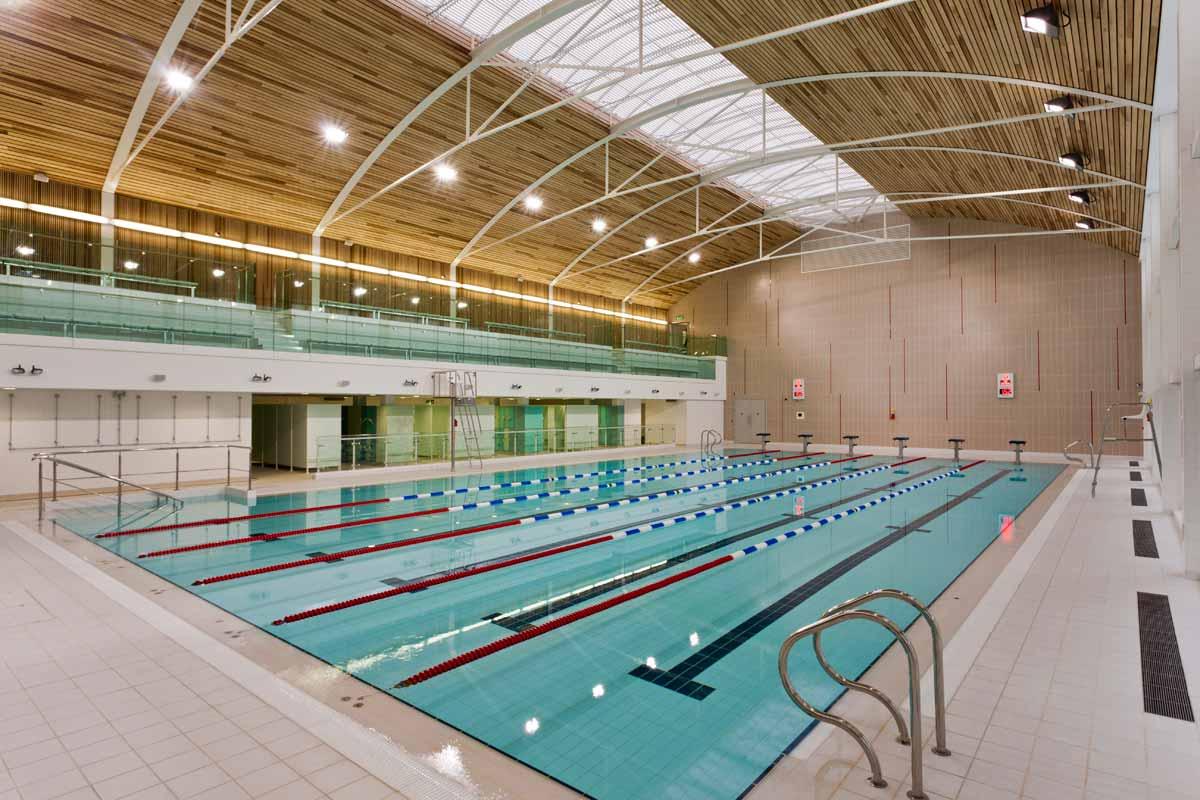
There is a familiar pattern emerging across UK public-sector construction, one where ambition, inflation and complexity collide. The latest developments surrounding a leisure centre refurbishment led by Willmott Dixon bring that pattern into sharp focus. What began as a community-focused regeneration project has instead become a case study in how quickly timelines and budgets can shift under pressure.
According to recent reporting, the project has seen both its delivery schedule and overall cost escalate significantly beyond original expectations. What was initially framed as a relatively contained refurbishment has evolved into a far more complex and expensive undertaking, raising questions not just about execution, but about the underlying assumptions that shaped the scheme from the outset.
When Refurbishment Becomes Reconstruction
At the core of the issue is a challenge that continues to affect refurbishment projects across the UK: the unpredictable nature of existing structures. Unlike new-build developments, refurbishment schemes often uncover unforeseen structural, mechanical and compliance issues once work begins.
In this case, the scale of intervention required has expanded as the project has progressed, pushing both cost and programme beyond initial projections. What was expected to be a straightforward upgrade has increasingly resembled a partial rebuild, with additional works required to bring the facility up to modern standards.
This is not unusual. Heritage constraints, outdated infrastructure and evolving regulatory requirements frequently introduce layers of complexity that are difficult to fully quantify at the planning stage.
Inflation, Supply Chains and Sector-Wide Pressure
Beyond project-specific challenges, wider industry pressures are also playing a decisive role. The UK construction sector continues to operate in an environment shaped by inflation, supply chain disruption and labour shortages.
Material costs have remained volatile, while procurement timelines have stretched, making it increasingly difficult to lock in both pricing and delivery schedules. Contractors are therefore being forced to absorb or renegotiate rising costs, often leading to revised budgets and delayed completion dates.
This broader context is critical. The issues facing this project are not isolated; they reflect systemic pressures across the industry, where even well-planned schemes are struggling to maintain their original financial and programme assumptions.
The Risk of Optimism in Early-Stage Planning
One of the more subtle dynamics at play is the tendency towards optimism in early-stage project planning. Public-sector developments, particularly those tied to community outcomes, are often initiated under pressure to demonstrate value and deliverability.
Initial budgets and timelines can therefore be shaped as much by expectation as by certainty. As projects move into delivery and real-world conditions take hold, those assumptions are tested, and often revised.
In the case of this leisure centre revamp, the gap between initial projections and current reality highlights the difficulty of accurately forecasting complex refurbishment work in a volatile economic environment.
A Broader Challenge for Public Infrastructure
The implications extend beyond a single project. Leisure centres, libraries and community hubs across the UK are facing similar pressures, with ageing estates requiring significant investment at a time when costs are rising and budgets are constrained.
Government funding initiatives are attempting to address this gap, but delivery remains complex. Projects must balance sustainability targets, modern user expectations and financial viability, often within tight funding frameworks and fixed budgets.
This creates a structural tension. The need for modern, efficient community infrastructure is clear, but the path to delivering it is becoming increasingly difficult to navigate.
Experience vs Execution
For Willmott Dixon, the situation is particularly notable given its extensive track record in the leisure sector, having delivered more than 160 facilities in recent years.
That experience, however, does not insulate projects from external pressures or inherent complexity. Even established contractors are finding that delivery risk has increased, particularly on refurbishment schemes where unknowns are embedded within the existing structure.
The challenge is no longer simply about capability. It is about navigating uncertainty.
When Ambition Meets Reality
Ultimately, the story of this leisure centre revamp is not just about delay or overspend. It reflects a broader shift in how construction projects are unfolding across the UK.
Ambition remains high, particularly around sustainability, community impact and long-term value. But the conditions required to deliver that ambition, stable costs, predictable timelines and clear scope, are increasingly difficult to secure.
The result is a growing gap between what projects are intended to be and what they ultimately become.
And as this case shows, bridging that gap is becoming one of the defining challenges for the sector.