




There are moments in corporate history when leadership changes feel procedural, and then there are those that signal something more fundamental. At The Walt Disney Company, the appointment of Josh D’Amaro as chief executive marks a transition that sits firmly in the latter category. This is not simply a смена of leadership, but a recalibration of what Disney is, and what it needs to become.
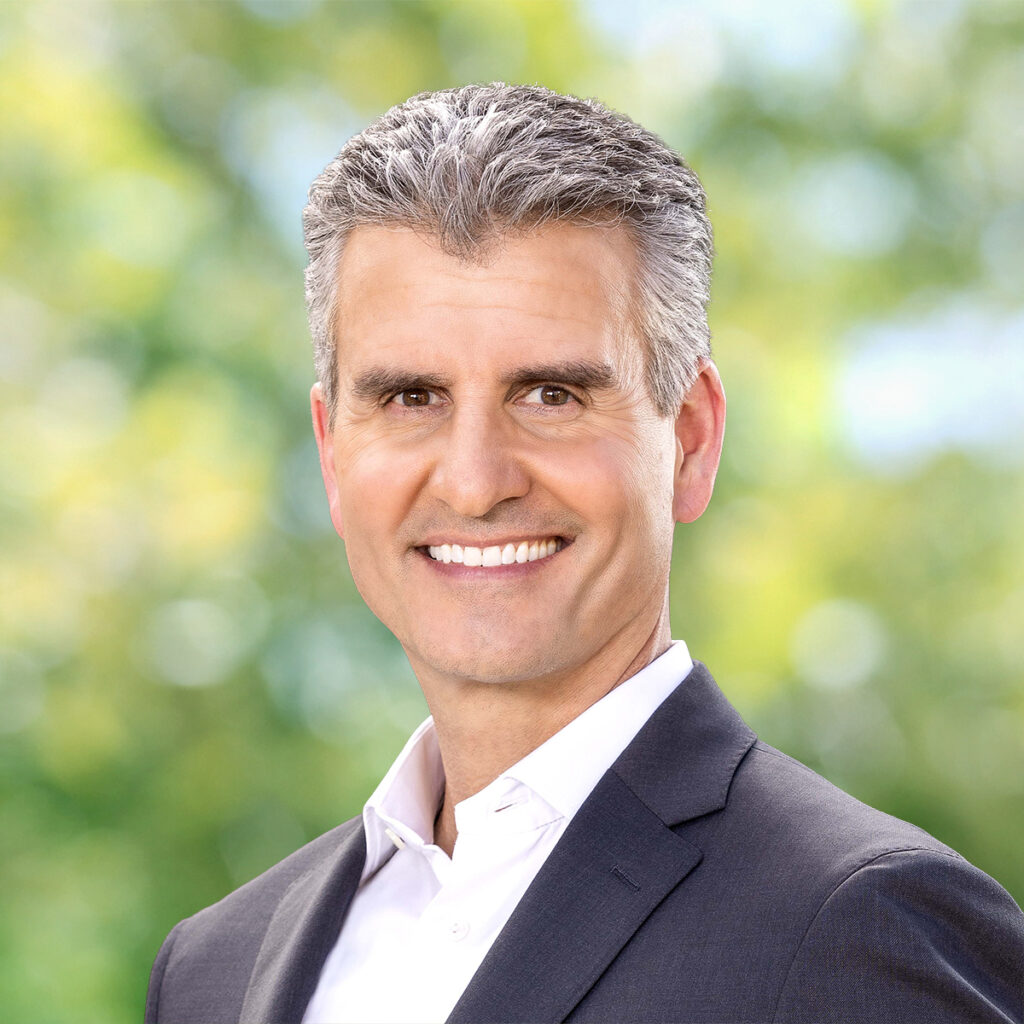
D’Amaro steps into the role following Bob Iger, a figure whose influence has shaped Disney’s modern identity. Iger’s tenure was defined by transformative acquisitions, creative resurgence and a clear strategic vision that repositioned Disney as a global content powerhouse. To follow such a legacy is no small task. To do so at a time of structural change across the media industry makes the challenge even more pronounced.
Unlike his predecessor, D’Amaro’s path to the top has not been defined by film studios or high-profile deals, but by the operational engine of Disney’s experiences business. As head of Disney Experiences, he oversaw theme parks, cruise lines, resorts and consumer products, a division that has consistently delivered strong financial performance. Most recently, it generated a record $10 billion in quarterly revenue, accounting for more than half of the company’s operating profit.
That background tells its own story. D’Amaro understands scale, logistics and the intricacies of delivering consistent, high-quality experiences to millions of guests. He knows how to translate brand into reality, how to make storytelling tangible. The question now is whether those capabilities can extend beyond physical environments into the broader, more volatile terrain of global media.
Because the Disney he inherits is navigating a landscape that looks markedly different from even a decade ago. Traditional television, once a cornerstone of the company’s profitability, is in steady decline as audiences continue to migrate toward streaming and digital platforms. At the same time, newer competitors such as YouTube and TikTok are not just challenging Disney for viewership, but reshaping the very nature of content consumption.
There are also signs of fatigue within some of Disney’s most valuable franchises. Marvel and Star Wars, long considered near-guaranteed box office successes, have shown indications of audience saturation. In a market where attention is fragmented and expectations are constantly evolving, maintaining cultural relevance has become a more complex and delicate task.
Beyond the screen, external pressures add further complexity. Tourism, a critical component of Disney’s success, faces uncertainty driven by geopolitical tensions and rising travel costs. These are factors beyond any CEO’s direct control, yet they carry tangible implications for performance.
In his earliest communications, D’Amaro has chosen a tone of continuity rather than disruption. His emphasis on operating “as one Disney” suggests a focus on integration, bringing together storytelling, technology and experiences into a more unified proposition. Central to that vision is the idea of deeper personalisation, creating more tailored and immersive interactions for audiences and guests alike.
At the same time, he has been careful to reaffirm a principle that sits at the heart of Disney’s identity. Storytelling, he insists, will remain central. In an era dominated by algorithms, artificial intelligence and shifting distribution models, that message carries weight. It signals that while the methods may evolve, the essence of Disney’s offering will not.
Yet continuity alone does not resolve the underlying challenges. The company’s previous leadership transition serves as a reminder of how fragile succession can be. Bob Chapek’s tenure, also rooted in the parks division, lasted just two years before Iger returned to steady the business. That history inevitably frames how D’Amaro’s appointment is perceived.
This time, however, the structure around the CEO role has been carefully considered. Alongside D’Amaro, Disney has elevated Dana Walden, a seasoned television executive, to oversee content. It is a pairing designed to balance operational strength with creative leadership. Success will depend not just on individual capability, but on the effectiveness of that partnership.
Iger leaves behind a company that is, in many respects, stabilised but still in transition. During his return, he restored creative authority within the organisation, improved the trajectory of the streaming business and delivered a series of billion-dollar box office successes. He also committed to a significant long-term investment in parks and cruise infrastructure, reinforcing the importance of Disney’s experiential advantage.
And yet, the broader picture remains mixed. Market performance has not fully kept pace with expectations, and the strategic questions facing the company have not disappeared. For D’Amaro, this creates a starting point that is neither crisis nor comfort, but something more nuanced.
What comes next will depend on how he interprets the role of leadership in a media landscape increasingly shaped by technology. Artificial intelligence, platform economics and changing consumer behaviours are not distant considerations; they are active forces redefining how content is created, distributed and monetised. For a company built on narrative, the implications are profound.
There is a case to be made that D’Amaro’s operational background may prove an unexpected advantage. His experience in integrating technology into real-world experiences, understanding consumer behaviour at scale and delivering consistency across complex systems could translate into a more cohesive approach across Disney’s wider ecosystem.
But execution, however strong, must be paired with vision. The ability to define where Disney goes next, not just how it operates today, will ultimately determine the success of this new chapter.
For now, the tone is measured. There has been no sweeping reinvention, no dramatic departure from the past. Instead, there is a sense of careful alignment, of bringing the organisation together and reinforcing its core strengths.
Whether that approach reflects quiet confidence or strategic caution will become clearer in time. What is certain is that Disney’s future will not be secured by legacy alone. It will be shaped by how effectively it adapts, evolves and redefines its place in a rapidly changing world.
The stage is set. The audience is watching. And for Josh D’Amaro, the next act is just beginning.