



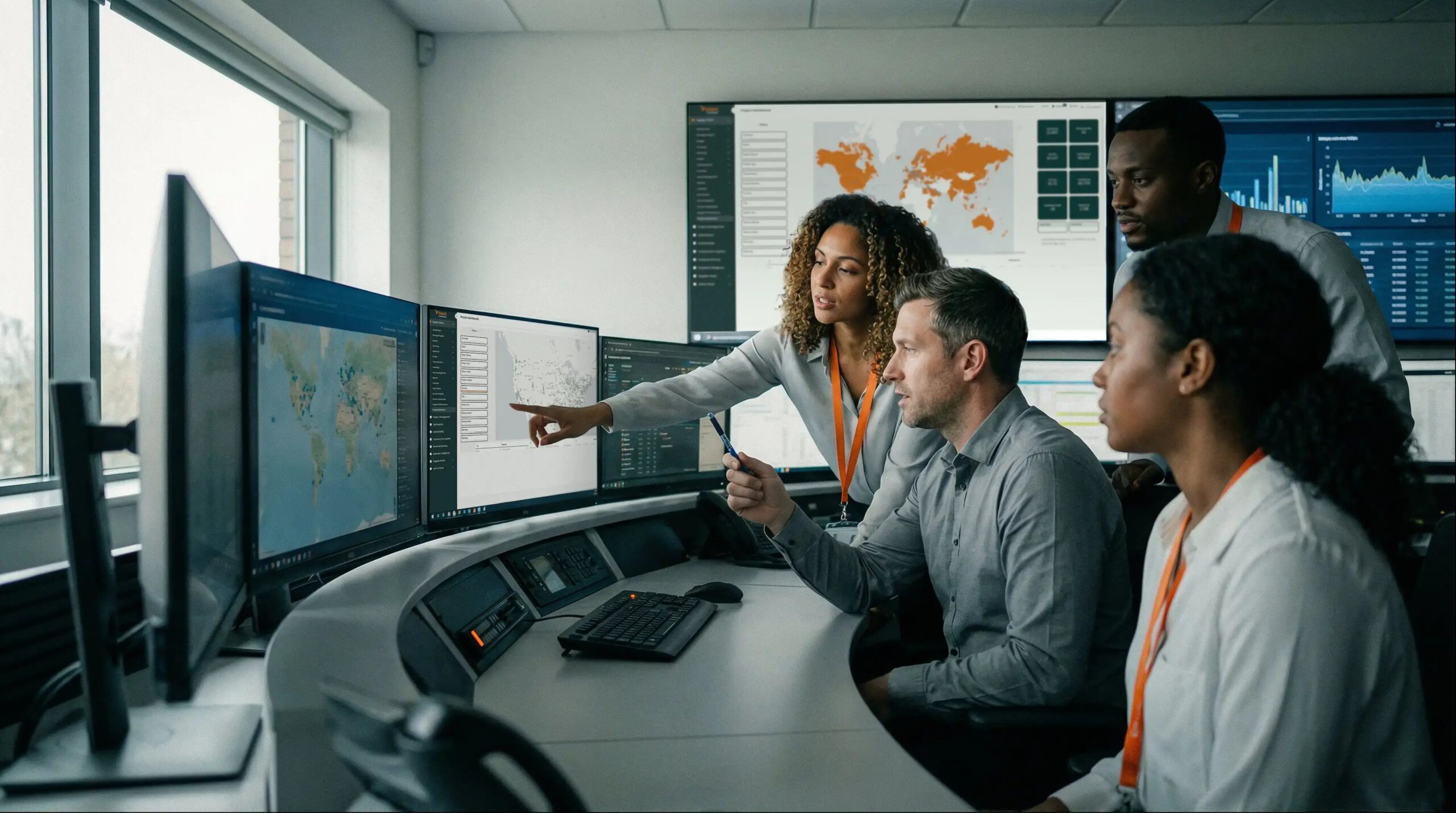
Supply chains have never been more visible, more instrumented, or more technologically advanced.
Yet for all that progress, they remain constrained by a fundamental limitation: coordination.
Across procurement, logistics, inventory management and supplier collaboration, systems continue to operate in silos. Data flows, insights are generated, risks are identified, but action remains fragmented, dependent on human intervention, email chains and layered approvals. The result is delay, inefficiency and missed value.
It is this gap between insight and execution that agentic AI is now beginning to close.
According to Globality, the next phase of supply chain transformation is not about adding more dashboards or analytics tools. It is about enabling systems that can act.
The Shift from Passive Intelligence to Autonomous Action
For years, artificial intelligence in supply chains has been largely observational.
It has identified inefficiencies, highlighted risk exposure and provided forecasts. But it has stopped short of execution. Humans remained responsible for interpreting outputs, initiating actions and managing exceptions.
Agentic AI changes that model entirely.
Rather than simply analysing data, AI agents are assigned defined responsibilities. They interpret context, apply decision logic, execute tasks and escalate only when required.
This marks a structural shift. Supply chains move from:
- Reactive workflows → to autonomous execution
- Fragmented decision-making → to orchestrated processes
- Insight-heavy systems → to action-oriented intelligence
The distinction is subtle but profound. It is the difference between knowing what to do and having systems that can do it.
Breaking Down Fragmentation
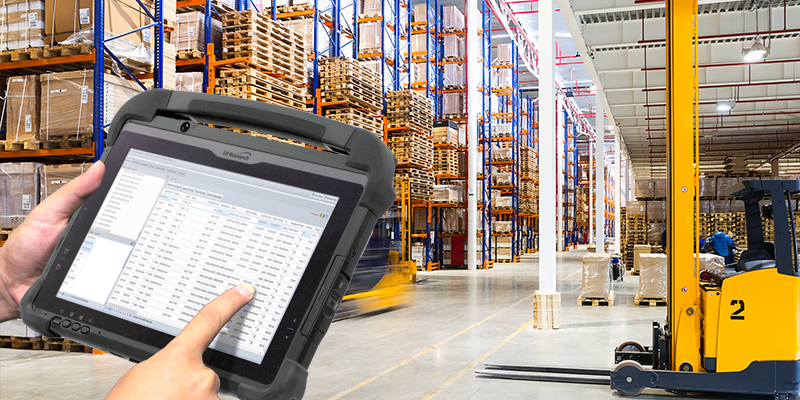
Modern supply chains are complex ecosystems spanning multiple functions and geographies.
Demand planning, supplier sourcing, logistics coordination and compliance management are often supported by capable technologies, yet those systems rarely operate as a unified whole.
The consequences are visible across the enterprise:
- Cycle times stretch from minutes to days
- Compliance becomes reactive rather than embedded
- Valuable data remains underutilised
- Teams spend more time validating than deciding
Research suggests that procurement teams use less than 20% of available data in decision-making, highlighting the scale of untapped potential within existing systems.
Agentic AI addresses this not by adding another layer of tooling, but by orchestrating the entire process lifecycle.
Instead of automating individual tasks, it connects them.
Orchestration as the New Operating Model
The defining concept behind agentic AI is orchestration.
Where traditional automation focuses on isolated efficiencies, orchestration coordinates decisions across systems, teams and time horizons. It ensures that actions taken in one part of the supply chain align with outcomes required across the whole.
This approach enables:
- Real-time decision-making across interconnected processes
- Embedded compliance rather than post-event validation
- Continuous adaptation to disruption and volatility
- Greater alignment between operational execution and strategic goals
More broadly, it signals a shift in how supply chains are understood.
They are no longer cost centres to be optimised in isolation. They are strategic engines of resilience, growth and competitive advantage.
Augmenting, Not Replacing, Human Expertise
4
Despite the autonomy implied by agentic systems, the role of human expertise does not diminish. It evolves.
Agentic AI is designed to execute structured, repeatable tasks at scale while elevating human involvement to higher-value decision-making.
In practice, this means:
- AI manages execution and exception handling
- Humans focus on strategy, negotiation and governance
- Decision-making becomes faster, but also more informed
This balance is critical.
As enterprise AI evolves, the most effective organisations are not those that remove humans from the process, but those that redefine their role within it.
The Strategic Implication
The emergence of agentic AI reflects a broader shift across enterprise technology.
As highlighted by wider industry developments, organisations are moving away from AI as a support tool towards AI as an active participant in business operations. Systems are no longer designed to assist decisions. They are designed to execute them.
For supply chains, the implications are immediate.
In an environment defined by volatility, geopolitical tension and increasing regulatory complexity, speed and coordination are no longer optional. They are essential.
Agentic AI offers a path forward, not by replacing existing systems, but by connecting them into a coherent, intelligent framework capable of acting in real time.
A Redefined Future for Supply Chains
The transformation underway is not incremental. It is architectural.
Supply chains are shifting from fragmented networks of activity into orchestrated systems of execution. The organisations that recognise this shift will not simply operate more efficiently. They will operate with greater clarity, control and confidence.
The real question is no longer whether AI can generate insight.
It is whether systems can act on it.
And increasingly, the answer is yes.