



A Strategic Offensive Disguised as Partnership
A quiet but consequential shift is unfolding across Africa’s mining sector. At its centre is a renewed push by the United States to secure access to the continent’s vast reserves of critical minerals—materials now considered essential to everything from electric vehicles to defence systems.
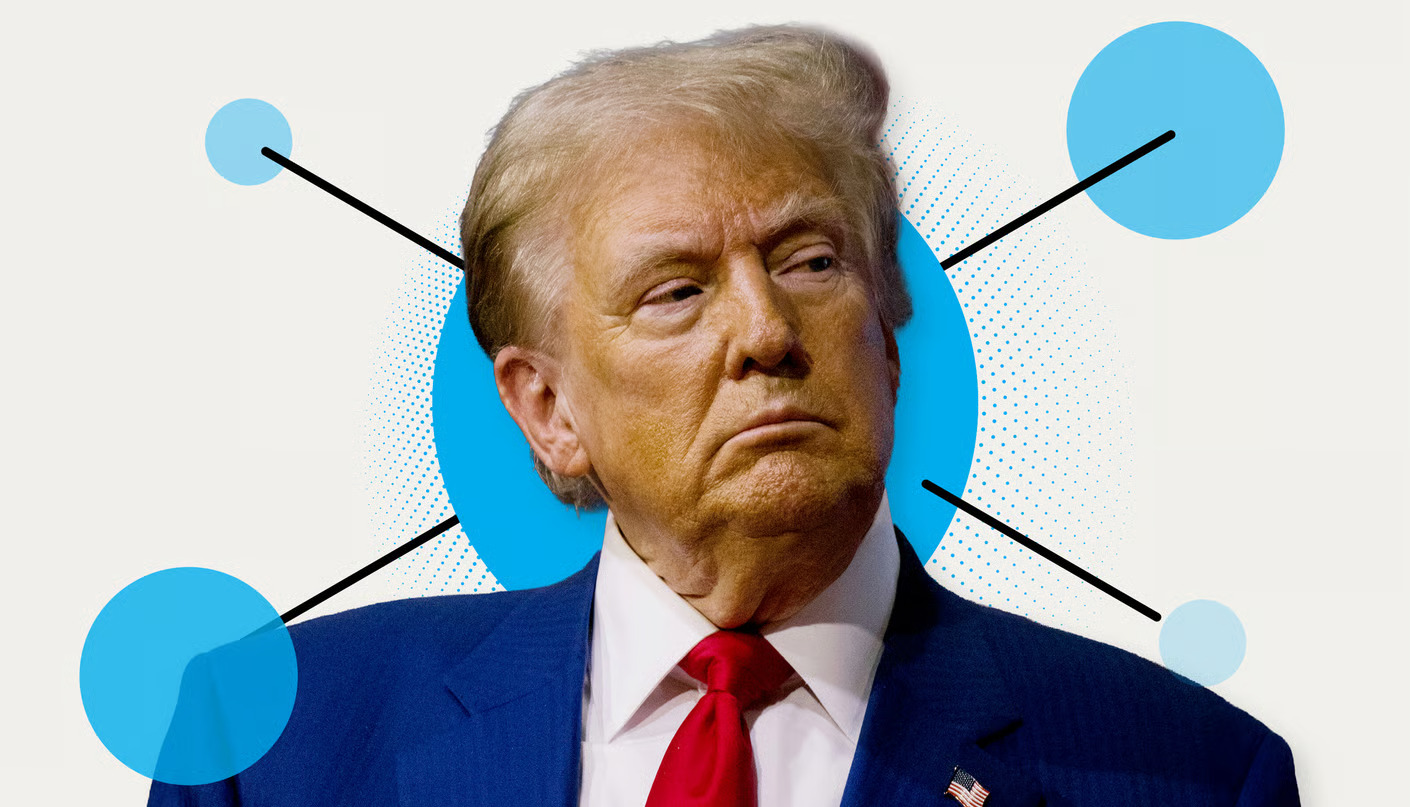
The strategy, associated with Donald Trump, is not simply about trade. It is about control, influence and long-term supply security in an increasingly competitive global landscape.
According to reporting, Washington has launched a multi-billion-dollar initiative—dubbed “Project Vault”, valued at around $12 billion—aimed at building strategic mineral reserves and securing supply chains tied to African production.
This marks a decisive escalation. Critical minerals are no longer treated as commodities. They are now instruments of geopolitical power.
The Real Drivers: Competition with China
The urgency behind the US approach is rooted in one overriding concern: China’s dominance.
For decades, Chinese companies have built deep, operational control over Africa’s mining infrastructure—particularly in countries like the Democratic Republic of the Congo, which alone accounts for a majority share of global cobalt production.
The US is not trying to replicate that model directly. Instead, it is pursuing a different route—one built on:
- Financing agreements
- Offtake deals (securing future supply without owning mines)
- Strategic partnerships with governments and state miners
It is a model of influence without full operational exposure. Financial leverage, rather than physical control.
The Network Behind the Strategy
The initiative is not being driven by government alone.
Behind the scenes is a coalition of:
- US government agencies
- Private mining and investment firms
- Commodity traders and financial institutions
Together, they are shaping what analysts describe as a new “mineral ecosystem”, designed to align supply chains with US industrial and security interests.
This includes the creation of international frameworks such as the FORGE initiative, intended to coordinate allied nations and stabilise mineral pricing structures in favour of US access.
In effect, the US is attempting to build a controlled supply network—less visible than traditional ownership, but potentially just as influential.
Africa at the Centre of the Energy Transition
Africa’s importance lies in geology as much as geography.
The continent holds significant reserves of:
- Cobalt
- Lithium
- Copper
- Rare earth elements
These materials are foundational to the global energy transition—powering batteries, data centres, renewable infrastructure and advanced electronics.
As demand accelerates, so too does the strategic value of access.
This is why Africa is no longer peripheral to global supply chains. It is central.
Between Opportunity and Exploitation
For African governments, the renewed attention brings both promise and risk.
On one hand, US engagement is framed as a more transparent alternative to previous investment models—offering:
- Job creation
- Skills transfer
- More balanced partnerships
On the other, there is growing caution.
Officials in the Democratic Republic of the Congo have made clear that they will not concede resources without fair value, emphasising that agreements remain preliminary and negotiable.
The message is deliberate: Africa is no longer a passive participant in global resource competition.
It is an active negotiator.
A Geopolitical Contest, Not Just an Economic One
What is unfolding is often described as a “new scramble for Africa”—but the mechanics are different.
Unlike the colonial-era model of direct extraction, today’s competition is shaped by:
- Supply chain control
- Trade agreements
- Financial influence
- Strategic alliances
The US is not seeking to outproduce China. It is attempting to reshape the rules of access.
And in doing so, it is embedding minerals directly into foreign policy, national security and industrial strategy.
The Outlook
The question is not whether competition for African minerals will intensify. It already has.
The real question is who ultimately benefits.
For the United States, the objective is clear: secure supply chains, reduce dependency, and regain strategic leverage.
For Africa, the stakes are more complex.
This moment offers a rare opportunity to convert natural resource wealth into long-term economic value. But it also carries the risk of repeating familiar patterns—where external powers compete, and local value capture remains limited.
What happens next will depend less on who controls the mines, and more on who controls the terms.