



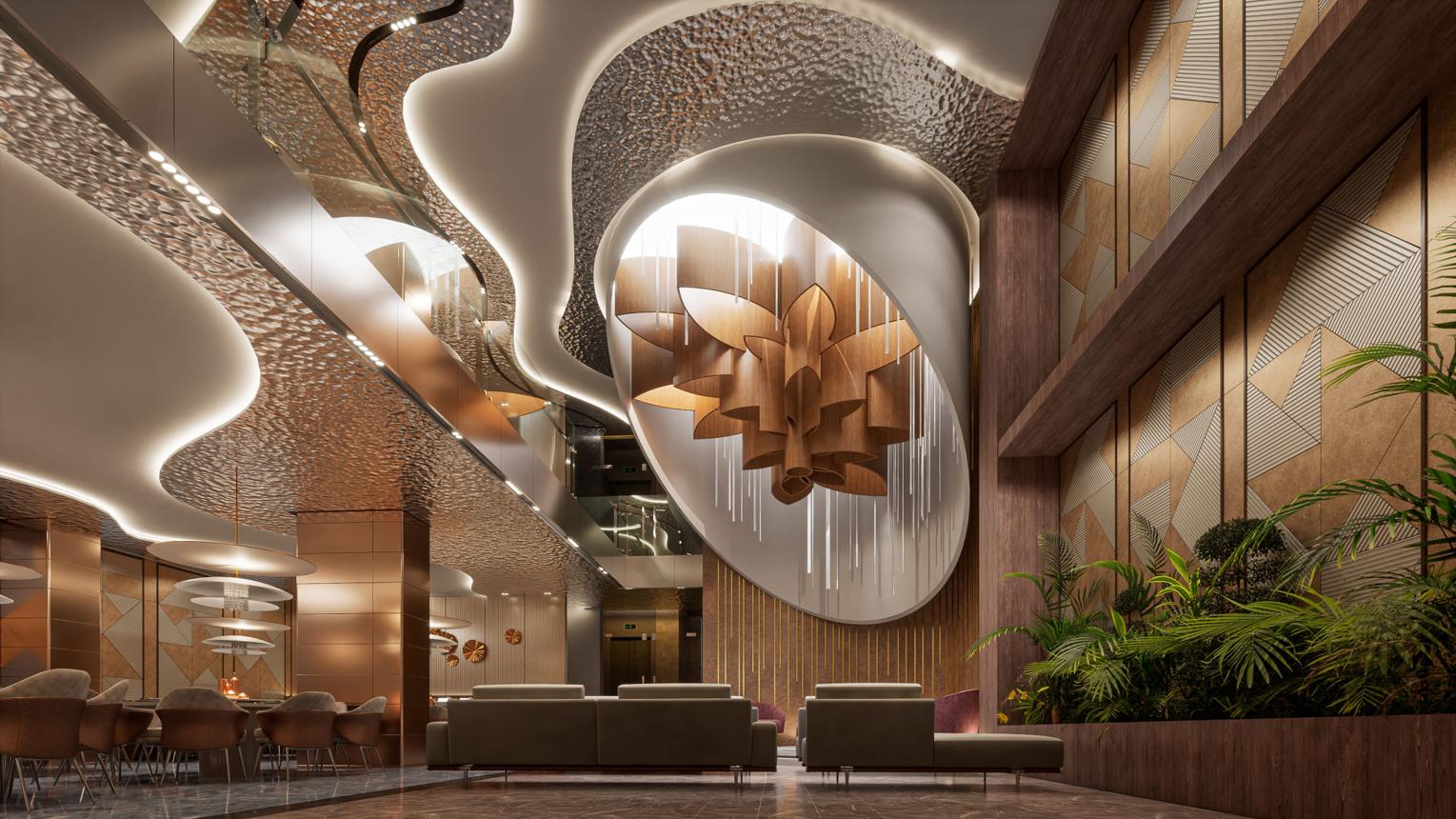
Luxury dining is no longer simply about exclusivity. The world’s most talked-about restaurant openings are increasingly being defined by atmosphere, design, storytelling and emotional experience just as much as the food itself. Across cities like London, Dubai, Miami, Paris and Singapore, hospitality groups are investing heavily into immersive spaces that blur the lines between restaurant, theatre, nightlife and cultural destination.
The result is a new generation of dining venues built not purely around cuisine, but around identity. Restaurants are becoming social currencies. Spaces designed to be photographed, shared and remembered. In many ways, modern luxury hospitality now operates closer to fashion and entertainment than traditional fine dining.

Restaurants Are Becoming Cultural Experiences
For years, luxury restaurants focused primarily on culinary reputation. Michelin stars, celebrity chefs and wine programmes dominated the conversation. While those elements still matter, today’s most successful openings understand that guests increasingly want something broader than a meal.
They want immersion.
This shift has fuelled the rise of highly conceptual dining environments where architecture, music, lighting, service and digital presence are treated with the same importance as the menu itself. Restaurants like Sexy Fish, Bacchanalia and globally expanding hospitality concepts linked to Caprice Restaurants have helped define this direction, creating spaces that feel cinematic rather than transactional.
What separates many of these new venues is their understanding of emotional pacing. Guests are no longer simply arriving for dinner. They are entering an environment designed to evolve throughout the evening. Lighting shifts subtly. Music intensifies gradually. Cocktail programmes become part of the theatre. The experience feels curated from arrival to departure.
This evolution reflects wider changes in luxury consumer behaviour. Modern audiences increasingly value memory creation over traditional status signals. A restaurant’s ability to create atmosphere now carries as much weight as its menu.
Design Has Become as Important as Cuisine
The most influential hospitality venues of 2026 often resemble luxury galleries, boutique hotels or members’ clubs more than conventional restaurants. Interior design has become central to brand identity.
Across the industry, operators are investing heavily into sculptural architecture, bespoke furniture, curated scent branding and immersive lighting systems designed specifically for social media visibility and emotional impact. The rise of design-led hospitality is particularly visible in global luxury hubs including Dubai, Miami and London, where restaurant interiors increasingly function as recognisable visual identities themselves.

Social media has accelerated this transformation significantly. Restaurants are no longer photographed occasionally. They are continuously documented by guests throughout service. Every table, cocktail, hallway and lighting angle effectively becomes part of the venue’s marketing ecosystem.
This has changed how restaurants are designed from the ground up.
Visual storytelling is now embedded into hospitality strategy itself. Open kitchens, dramatic entrance corridors, statement bars and immersive private dining rooms are increasingly designed with digital visibility in mind. Operators understand that aesthetics now influence discoverability just as much as reviews.
The result is a hospitality industry where interior architects and branding teams often hold influence equal to culinary leadership.
The Rise of Hospitality as Lifestyle Branding
One of the most important shifts within luxury dining is the emergence of hospitality brands that extend beyond food entirely. Restaurants are increasingly becoming lifestyle ecosystems with their own aesthetic language, fashion partnerships, product collaborations and cultural positioning.
Many of the world’s fastest-growing hospitality groups now think more like luxury fashion houses than traditional restaurant operators. Their goal is not simply to fill tables. It is to build identity-driven brands with global recognition.
This strategy is particularly visible among internationally expanding concepts that replicate a recognisable atmosphere across multiple cities while adapting subtly to local culture. The venue itself becomes part of a broader lifestyle narrative.
Consumers are responding strongly to that model because modern luxury increasingly revolves around belonging rather than ownership. Dining venues now operate as social environments where people express identity, taste and aspiration publicly.
That explains why certain restaurant openings generate the same anticipation as fashion launches or hotel debuts.
The Return of Theatrical Service
Another defining trend shaping modern luxury dining is the return of theatrical hospitality. Service is becoming performative again, but in a more refined and emotionally intelligent way.
Tableside presentations, bespoke cocktail rituals, tasting journeys and interactive dining moments are all returning as restaurants compete to create memorable experiences. Guests increasingly expect moments of surprise and narrative throughout an evening rather than simply efficient service.
At the same time, hospitality teams are becoming more personality-driven. Sommeliers, bartenders and hosts now contribute heavily to a venue’s identity and guest loyalty. The human side of hospitality is becoming central again after years of ultra-streamlined service models.
Industry discussions across luxury hospitality circles increasingly focus on creating “experience-led environments” where emotional connection matters just as much as operational precision.
This is particularly important as affluent consumers become more selective about where they spend time. Luxury is no longer defined by excess alone. It is defined by atmosphere, curation and emotional resonance.

Why Modern Luxury Dining Feels Different
Perhaps the biggest difference between today’s restaurant culture and previous generations is the way hospitality now blends seamlessly into broader lifestyle culture.
Dining is no longer separated from fashion, wellness, travel, nightlife or social identity. The most influential venues understand how all of these worlds intersect. A restaurant today may host fashion collaborations, art installations, live music performances or wellness-focused tasting experiences within the same space.
The boundaries between industries are disappearing.
This is also why many new luxury openings prioritise flexibility. Spaces are designed to transition naturally from daytime café environments into evening cocktail destinations and late-night social spaces. Hospitality is becoming increasingly fluid rather than fixed.
Technology is influencing this transformation too. Reservation systems, personalised guest experiences and digital concierge services are helping luxury venues create more seamless and tailored interactions. Yet despite the rise of technology, the most successful hospitality experiences still feel deeply human.
That balance between efficiency and intimacy is becoming one of the defining challenges of modern luxury dining.
The Future of Fine Dining Is Experience-Led
The world’s most talked-about restaurant openings are revealing something much bigger than changing food trends. They are showing how luxury itself is evolving.
Consumers are placing greater value on environments that feel immersive, emotionally engaging and culturally connected. Restaurants are no longer competing solely on culinary execution. They are competing on storytelling, atmosphere and memorability.
The venues leading this shift understand that people rarely remember every detail of a meal. They remember how a place made them feel.
That is why modern luxury hospitality increasingly focuses on creating complete sensory experiences rather than isolated dining transactions. From architecture and music to service pacing and visual identity, every detail now contributes to a broader emotional narrative.
In many ways, the future of luxury dining may have less to do with food alone and more to do with the art of creating environments people never want to leave.