



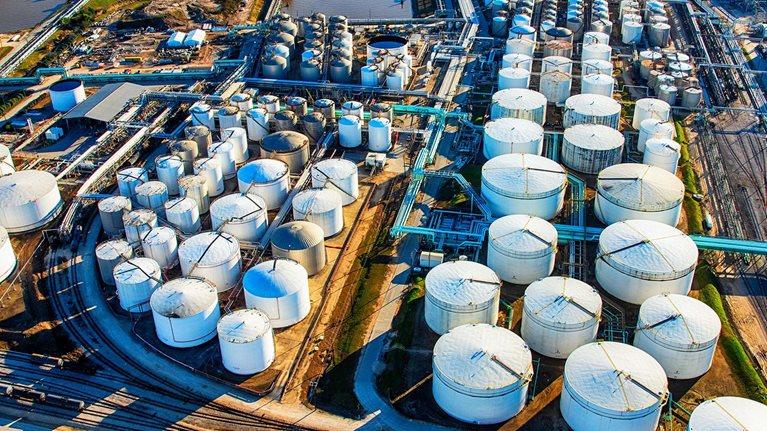
For much of the past year, Europe’s aviation sector has operated under growing pressure surrounding fuel security. Rising geopolitical instability, refinery disruption and fears of tightening global energy supply chains raised concerns that airlines could face serious jet fuel shortages heading into the busy summer travel season.
But according to recent industry sentiment, European airlines and oil refiners are becoming increasingly confident that outright shortages can be avoided. While the immediate panic may be easing, the broader situation has exposed something far more important: modern aviation remains deeply vulnerable to global energy disruption.
The conversation surrounding jet fuel is no longer simply about short-term supply. It is about resilience, infrastructure and the future sustainability of global air travel itself. Europe’s energy and aviation sectors are now confronting the reality that maintaining stable fuel access in an increasingly volatile world may become one of the defining operational challenges of the next decade.

6
Aviation Remains Deeply Dependent on Fossil Fuel Infrastructure
Despite rapid discussions surrounding sustainability and green aviation technology, modern commercial aviation still relies overwhelmingly on traditional jet fuel infrastructure.
Airlines operate within highly complex global supply systems involving oil refiners, pipeline operators, shipping routes, airport storage facilities and international logistics networks. Even relatively minor disruptions within one part of that ecosystem can create significant operational pressure across the wider industry.
Recent geopolitical instability highlighted just how sensitive those systems remain.
Concerns surrounding refinery outages, shipping disruptions and broader energy market volatility raised fears that parts of Europe could face tightening fuel availability during peak summer demand. Industry executives now appear more reassured about near-term supply conditions, but the episode reinforced how interconnected global aviation and energy markets truly are.
The issue is not simply whether enough fuel exists globally. It is whether supply can move efficiently and reliably through increasingly fragile infrastructure systems.
Europe’s Aviation Recovery Is Increasing Fuel Demand Again
The timing of the concerns is particularly important because European aviation demand continues recovering strongly. Passenger numbers across many major airports have returned close to or even exceeded pre-pandemic levels as leisure and business travel continue rebounding.
That recovery has dramatically increased fuel demand.
Airlines are operating fuller schedules, expanding international routes and restoring long-haul capacity at a time when global energy systems remain under pressure from multiple directions simultaneously. Refining capacity constraints, environmental regulations and geopolitical instability have all added further complexity to the market.

The result is an aviation industry attempting to scale back toward growth while operating within an energy environment that feels far less stable than it did historically.
That creates a difficult balancing act for airlines already facing rising operational costs, sustainability pressure and continued supply chain complexity across aircraft manufacturing and maintenance sectors.
Refiners Have Become Strategically Critical Again
One of the most important shifts emerging from the situation is the renewed strategic importance of oil refiners themselves.
For years, many discussions surrounding energy transition focused heavily on renewable expansion and long-term decarbonisation. But recent events have highlighted how essential refining infrastructure remains to maintaining global mobility and economic stability.
Jet fuel production cannot simply be scaled instantly.
Refinery operations are highly specialised, capital intensive and dependent on stable crude supply chains. Outages, maintenance disruption or geopolitical events affecting refining capacity can rapidly influence aviation fuel availability across entire regions.
This has forced governments and industry leaders to think more carefully about energy resilience alongside decarbonisation goals.
The challenge facing Europe is particularly complex because the continent must simultaneously pursue ambitious climate targets while ensuring reliable fuel access for industries that remain heavily dependent on traditional energy systems.
Sustainable Aviation Fuel Still Faces Scale Challenges
At the same time, the jet fuel conversation is accelerating wider discussions around sustainable aviation fuel, often referred to as SAF.
Airlines and regulators increasingly view SAF as one of the most realistic pathways toward reducing aviation emissions over the coming decades. However, large-scale adoption remains difficult due to limited production capacity, high costs and infrastructure constraints.
The current supply concerns highlight that challenge clearly.

While sustainable fuel development continues progressing, conventional jet fuel still dominates global aviation operations overwhelmingly. That means the industry remains highly exposed to traditional energy market volatility for the foreseeable future.
Scaling SAF production to commercially meaningful levels will require enormous investment across refining infrastructure, feedstock supply and regulatory support. The transition is happening, but far more slowly than many climate targets ideally require.
This creates an uncomfortable reality for the aviation sector: airlines must continue growing while depending on energy systems they are simultaneously under pressure to move away from.
Geopolitics Is Increasingly Shaping Aviation Economics
Another major factor influencing fuel security is geopolitics.
Global shipping routes, energy trade relationships and regional instability now play increasingly direct roles in determining airline operating costs and supply reliability. Energy markets have become more fragmented and politically sensitive over recent years, increasing uncertainty across multiple industries.
For aviation, fuel remains one of the single largest operational expenses.
Even relatively modest price fluctuations can significantly affect airline profitability, route planning and ticket pricing. Supply disruptions create even greater pressure because airlines rely on highly predictable scheduling and logistical coordination.
The industry therefore finds itself increasingly exposed to geopolitical events far beyond aviation itself.
This is one reason why governments are paying closer attention to energy security and infrastructure resilience as strategic economic priorities rather than purely market-driven issues.
The Future of Aviation Depends on Energy Stability
Perhaps the most important lesson emerging from Europe’s fuel concerns is that aviation’s future cannot be separated from broader energy transformation.
Air travel remains one of the most globalised industries in the world. But globalisation itself increasingly depends on stable access to fuel, infrastructure and secure international supply systems.
As passenger demand continues rising globally, those pressures are likely to intensify further.
The industry must now navigate multiple transitions simultaneously: decarbonisation, digital transformation, operational resilience and changing geopolitical realities. Fuel security sits directly at the centre of all of them.
Europe may avoid severe jet fuel shortages this summer. But the wider situation has revealed how vulnerable modern aviation remains to global energy instability.
And as the industry moves deeper into an era defined by sustainability targets, geopolitical fragmentation and infrastructure pressure, maintaining reliable access to aviation fuel may become just as strategically important as building the aircraft themselves.