



For more than a century, aviation has represented speed, engineering ambition and global connectivity. But according to many industry experts, the next phase of air travel could transform the passenger experience more dramatically than anything seen since the arrival of commercial jet travel itself.
From AI-powered flight systems and sustainable aviation fuel to autonomous aircraft, electric air taxis and radically redesigned cabins, the aviation sector is entering a period of accelerated reinvention. The future of flying is no longer centred purely around getting from one destination to another. Increasingly, the industry is being forced to rethink efficiency, sustainability, passenger wellbeing and the entire experience surrounding modern travel.
What makes this moment particularly significant is that multiple disruptive technologies are now advancing simultaneously. Aviation is no longer evolving in isolated stages. It is undergoing structural transformation across engineering, infrastructure, digital systems and consumer expectations all at once.

The Industry Is Being Redefined by Sustainability
Perhaps the biggest force reshaping aviation is sustainability. Airlines, manufacturers and regulators face growing pressure to reduce emissions while maintaining global connectivity. Traditional jet fuel dependency is becoming increasingly difficult to justify politically, environmentally and commercially.
This has accelerated investment into sustainable aviation fuel, hydrogen propulsion systems and electric aircraft development. Major aerospace companies including Airbus and Boeing are already exploring next-generation concepts designed around cleaner propulsion technologies. Meanwhile, smaller innovators are moving aggressively into electric regional aviation and urban air mobility.
While fully electric long-haul flights remain years away, short-range electric aircraft are progressing rapidly. Many experts believe regional routes and urban mobility networks will become the first major proving grounds for sustainable flight technology.
The shift is not simply environmental. It is economic.
Fuel efficiency remains one of the largest operational pressures for airlines globally. As energy costs fluctuate and sustainability regulations tighten, the business case for alternative aviation systems becomes increasingly attractive.
AI and Automation Are Changing Flight Operations
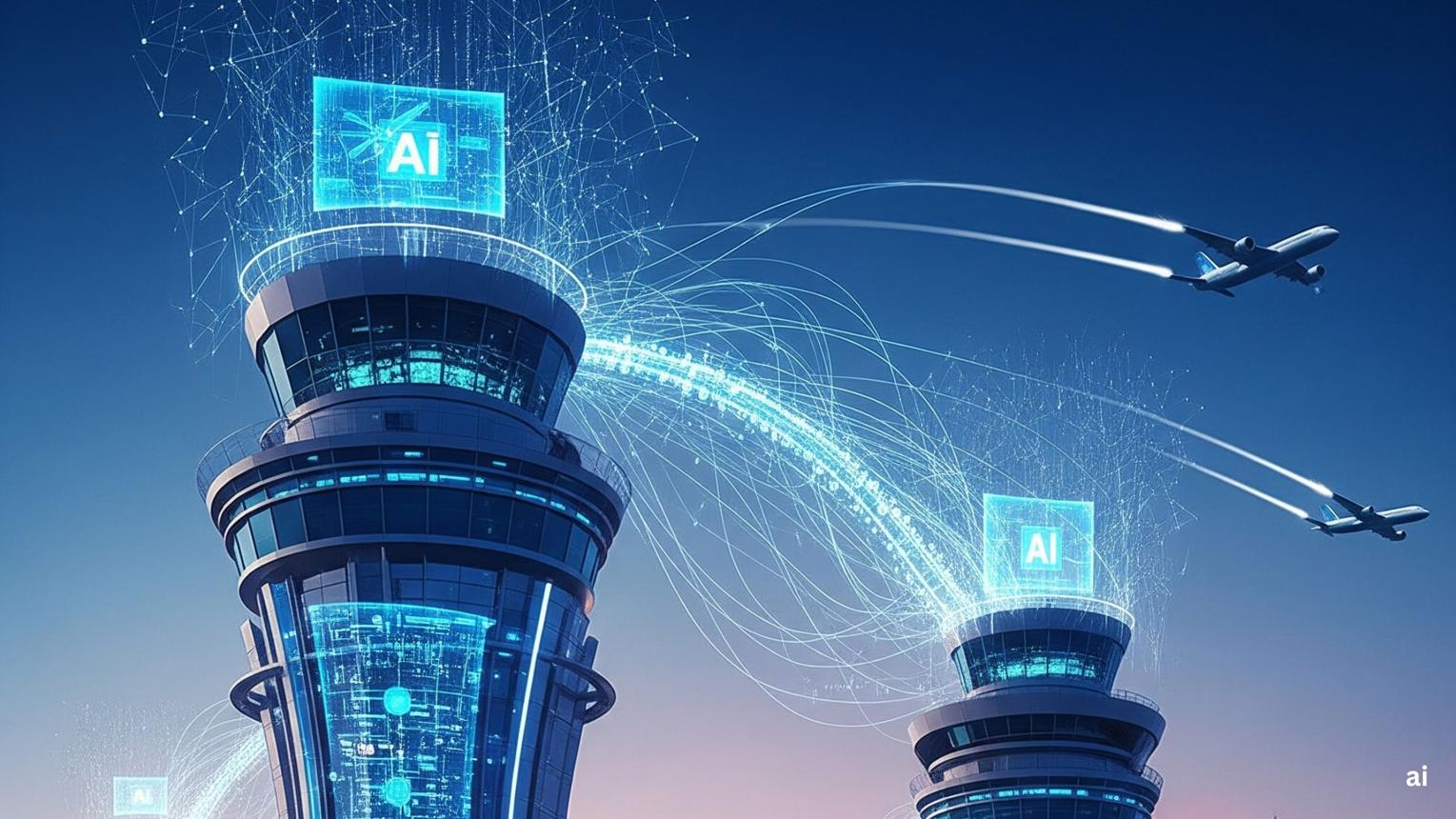
Artificial intelligence is also beginning to reshape aviation behind the scenes. Airlines already rely heavily on AI for route optimisation, predictive maintenance and operational efficiency, but the next phase could go much further.
Experts increasingly discuss AI-assisted flight systems capable of reducing pilot workload, improving safety analysis and streamlining air traffic management.
This does not necessarily mean pilots disappear entirely. Instead, aviation appears to be moving toward more collaborative human-machine systems where automation handles repetitive processes while pilots focus on oversight and complex decision-making.
The impact on efficiency could be enormous.
AI systems can already analyse weather patterns, fuel consumption, maintenance schedules and traffic conditions faster than traditional operational teams. Over time, these systems may dramatically reduce delays, improve aircraft utilisation and enhance passenger reliability.
At the same time, automation raises important questions around trust and regulation. Aviation remains one of the most safety-critical industries in the world, meaning technological adoption must move far more cautiously than in sectors like consumer electronics or automotive technology.

Cabin Design Is Becoming More Experience-Led
The passenger experience itself is also expected to change dramatically over the next decade. Airlines increasingly recognise that modern travellers value comfort, atmosphere and seamless digital integration alongside ticket pricing.
Future cabin concepts focus heavily on wellness, adaptability and personalised environments. Industry discussions increasingly include biometric boarding systems, immersive entertainment, improved air filtration and modular seating systems designed around passenger preference rather than traditional cabin segmentation.
Some future aircraft concepts even explore panoramic cabin designs, virtual windows and mood-responsive lighting systems aimed at reducing travel fatigue and anxiety.
This reflects a broader shift happening across luxury travel itself. Passengers increasingly compare airline experiences against premium hospitality brands, luxury hotels and digital consumer ecosystems. Expectations around personalisation and seamless service are rising rapidly.
The aviation industry is responding by treating cabin environments less like transport systems and more like curated lifestyle spaces.
Urban Air Mobility Is Moving Closer to Reality
One of the most visually futuristic developments within aviation is the rise of urban air mobility. Electric vertical take-off and landing aircraft, often referred to as eVTOLs, are being developed by a growing number of companies aiming to redefine short-distance urban transport.
These aircraft are designed to operate more like aerial taxis than traditional planes, offering rapid city-to-city or airport-to-centre travel with significantly reduced environmental impact compared to helicopters.
Companies such as Joby Aviation and Archer Aviation are already conducting test programmes, while governments and infrastructure planners explore how future “vertiports” may integrate into major cities.
While mass adoption still faces regulatory and infrastructure challenges, the pace of investment suggests urban aviation could become commercially viable sooner than many originally expected.
The long-term implications could fundamentally reshape how people think about mobility itself.

Supersonic Travel Is Returning to the Conversation
Another area attracting renewed attention is supersonic flight. After the retirement of Concorde, many believed commercial supersonic travel had effectively disappeared for good. But several aerospace startups are now attempting to revive ultra-fast passenger aviation using modern engineering and more efficient systems.
Companies including Boom Supersonic are developing aircraft designed to dramatically reduce long-haul travel times while addressing some of the environmental and economic limitations that challenged earlier supersonic programmes.
The appeal is obvious.
As global business travel evolves and premium passengers seek greater efficiency, faster intercontinental connections remain commercially attractive. However, sustainable operation, noise reduction and operating costs remain major obstacles.
Even so, the return of supersonic ambition reflects a wider reality across the industry: aviation is once again thinking boldly.
The Future of Flying Will Be More Connected Than Ever
Perhaps the most important theme emerging across all areas of aviation is integration. Future air travel will not simply involve better aircraft. It will involve interconnected ecosystems where AI, sustainability, digital identity systems and smart infrastructure operate together.
Passengers may eventually move through airports using biometric identification alone. Flights may dynamically optimise themselves in real time using predictive AI systems. Aircraft cabins may personalise environments automatically based on passenger profiles and wellness data.
The future of aviation increasingly looks less like traditional transportation and more like an intelligent network built around continuous optimisation and seamless movement.
That transformation will not happen overnight. Regulatory complexity, infrastructure costs and safety standards ensure aviation evolves more cautiously than many technology sectors. But the direction of travel is becoming increasingly clear.
The next generation of flying will likely be quieter, cleaner, more automated and significantly more personalised than the industry people know today.
And for aviation itself, that may represent the beginning of its most important reinvention yet.