



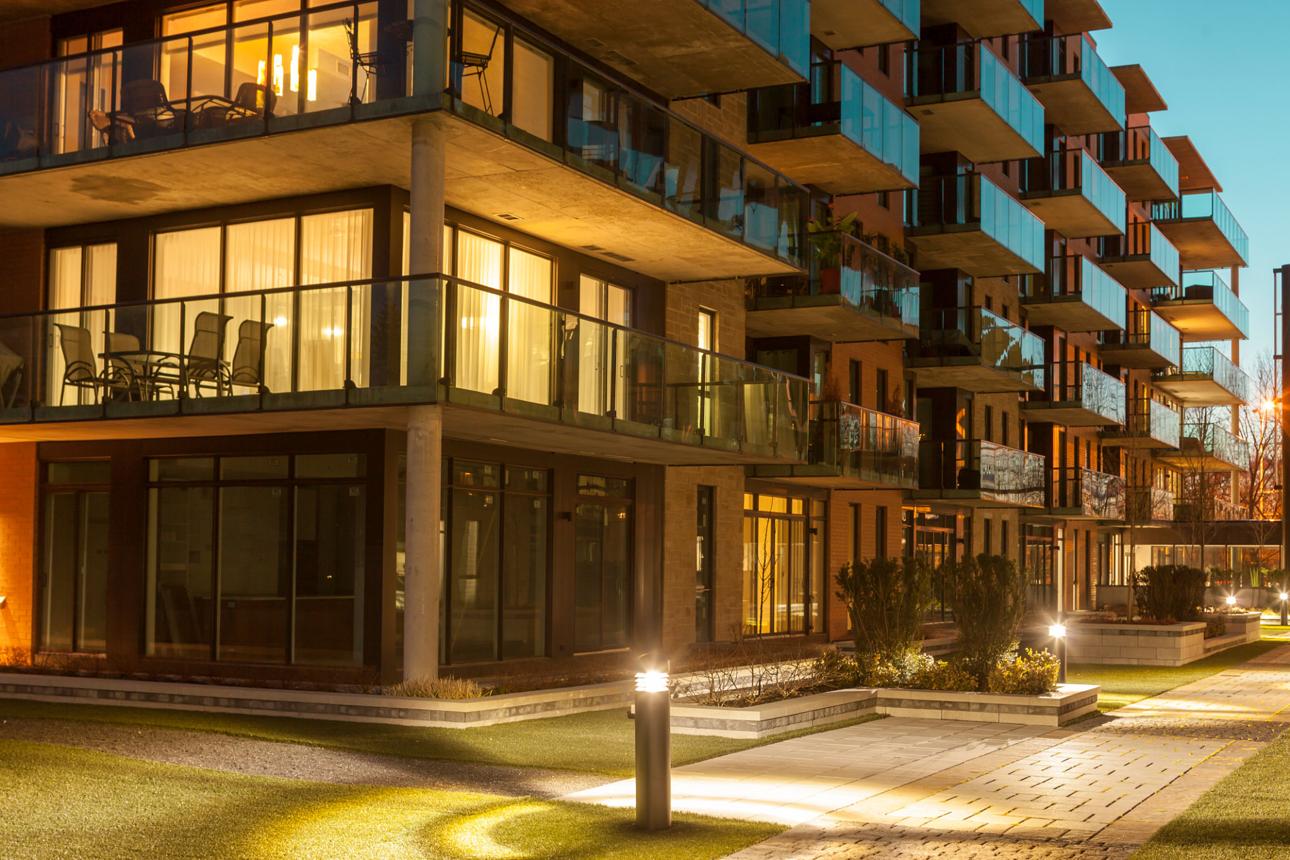
The UK residential development market is entering a new chapter. After years of uncertainty surrounding construction costs, planning delays and economic pressure, major city-centre regeneration projects are beginning to regain momentum. One of the latest examples is the newly announced £150m residential scheme in Stockport, where Keady Construction has secured a major contract that reflects the growing confidence returning to large-scale urban living developments.
The project forms part of Stockport’s wider transformation strategy, as the Greater Manchester town continues positioning itself as one of the North West’s fastest-evolving residential and commercial destinations. The development will reportedly deliver hundreds of new homes while contributing to the broader regeneration of the town centre and surrounding infrastructure.
What makes projects like this increasingly important is that they represent more than housing delivery alone. They reflect how regional UK towns are redefining themselves as modern mixed-use urban hubs designed around connectivity, lifestyle and long-term economic growth.

Regional Cities Are Entering a New Growth Cycle
For decades, London dominated conversations around large-scale property investment and residential expansion. But rising costs, changing work patterns and infrastructure investment are increasingly shifting attention toward regional cities and commuter-connected urban centres.
Stockport has emerged as one of the strongest examples of that shift.
Its proximity to Manchester, growing transport links and significant regeneration activity have helped reposition the town as an increasingly attractive destination for developers, investors and younger professionals seeking urban living outside central Manchester itself.
The £150m scheme secured by Keady Construction reflects that broader momentum. Developments of this scale are designed not only to increase housing supply but also to reshape perceptions of what regional urban living can look like.
Across the UK, regeneration strategies are increasingly focused on creating lifestyle-driven environments rather than purely residential expansion. Developers now prioritise walkability, public spaces, hospitality integration and mixed-use design to create communities that feel connected rather than isolated.
Construction Confidence Is Gradually Returning
The announcement also highlights improving confidence within parts of the UK construction sector after a difficult period shaped by inflation, labour shortages and material cost volatility.
Over the last several years, many large residential projects faced delays or financial uncertainty as developers reassessed viability amid rising borrowing costs and shifting market conditions. But major long-term schemes are increasingly moving forward again as investors refocus on high-demand regional markets with strong population growth and infrastructure potential.

Build-to-rent developments, in particular, continue attracting significant interest across UK cities. Demand for professionally managed urban rental accommodation remains strong, especially among younger professionals prioritising flexibility, connectivity and lifestyle amenities over traditional home ownership.
This has changed how developers approach residential schemes entirely.
Modern projects increasingly include co-working areas, wellness facilities, communal social spaces and integrated retail or hospitality environments designed to support long-term tenant retention and community engagement.
Residential development is becoming more experience-led rather than purely functional.
Stockport’s Transformation Is Accelerating
Stockport’s regeneration has become one of the most closely watched urban renewal stories in the North West. Once viewed primarily as a commuter town, the area is now attracting substantial investment across residential, commercial and public infrastructure sectors.
Improved transport connectivity remains one of its strongest advantages. Fast rail links into Manchester and wider Northern economic hubs have helped increase demand from professionals seeking more accessible living environments without sacrificing connectivity to major employment centres.
At the same time, local authorities across Greater Manchester continue prioritising town-centre regeneration as part of broader regional growth strategies.
The result is a wave of projects aimed at creating denser, more vibrant urban environments capable of supporting long-term population growth and economic activity.
Developments like the new £150m scheme are central to that strategy because they help generate not only housing, but also wider investment confidence surrounding retail, hospitality and commercial expansion.
Modern Residential Design Is Evolving
The next generation of UK residential schemes increasingly focuses on placemaking rather than isolated architecture. Developers understand that modern residents expect far more than apartment units alone.
Today’s urban developments are designed around lifestyle integration.
Fitness facilities, rooftop spaces, landscaped communal areas, flexible working environments and hospitality-inspired amenities are becoming increasingly common within large residential schemes. The goal is to create environments where residents spend more time socially and professionally within the development ecosystem itself.

This reflects wider changes in how people interact with cities after the pandemic era. Flexibility, convenience and localised living have become significantly more valuable to residents. Developers are responding by designing spaces that feel more adaptable, community-driven and experience-oriented.
Sustainability is also becoming increasingly important. New residential projects are under growing pressure to improve energy efficiency, reduce environmental impact and integrate greener infrastructure wherever possible.
Environmental performance is no longer viewed simply as a regulatory obligation. It is increasingly tied directly to long-term asset value and consumer appeal.
The Future of UK Urban Development Is Becoming More Regional
Perhaps the most important takeaway from projects like Stockport’s latest scheme is what they reveal about the direction of the UK property market more broadly.
Regional urban centres are becoming increasingly influential within the country’s development landscape. Improved infrastructure, changing work habits and evolving lifestyle priorities are reshaping where people choose to live and invest.
This creates major opportunities for towns and cities capable of combining connectivity, affordability and modern urban design effectively.
For developers and construction firms, the challenge is no longer simply building residential units quickly. It is creating sustainable urban environments capable of supporting long-term economic and social growth.
The £150m Stockport development reflects that transition clearly. It is not just another housing project. It is part of a much wider redefinition of how UK urban living may evolve over the next decade.
And as regeneration activity accelerates across regional Britain, schemes like this are likely to become increasingly central to the future of the country’s property market.