



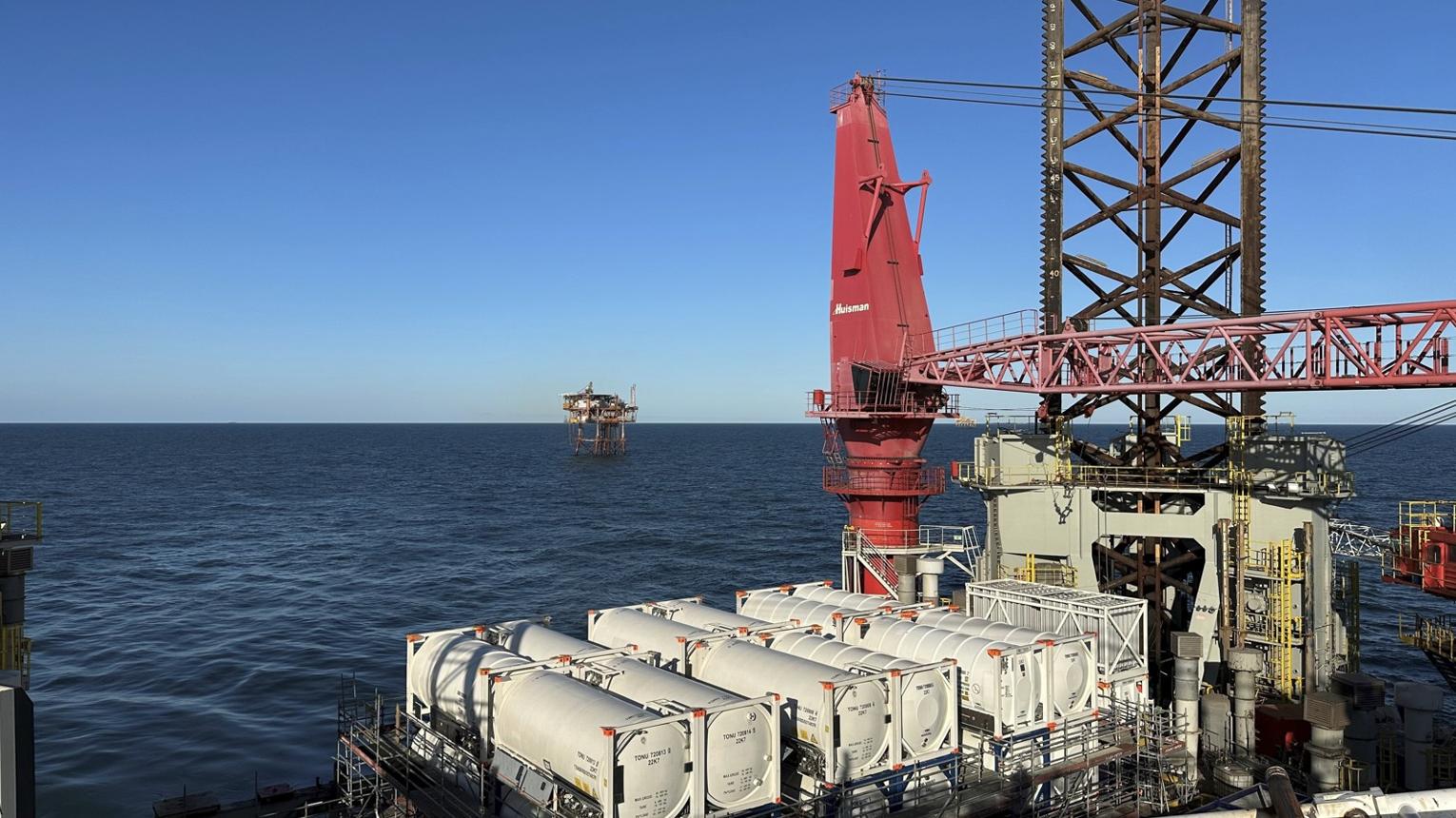
Few industries are as politically charged in Britain today as North Sea oil and gas. What was once viewed primarily as an economic engine for Scotland and the wider UK has now become the centre of a growing national debate about energy security, climate policy, industrial transition and the future of tens of thousands of highly skilled jobs.
A new wave of political tension has emerged following renewed arguments surrounding the future of North Sea production, with industry voices warning that oil and gas still have a major long-term role to play in Britain’s economy if governments are willing to support the sector strategically. At the centre of the discussion lies a fundamental question: can the UK realistically transition toward renewable energy while simultaneously scaling back one of its most important domestic energy industries? Increasingly, the answer appears far more complicated than political slogans often suggest.

The UK Government has doubled down on its commitment to halt new North Sea oil and gas licences as part of its broader energy transition strategy. Proposed legislation within the Energy Independence Bill would formalise Labour’s earlier pledge to prevent further exploration licensing in the basin while accelerating investment into renewables, offshore wind, hydrogen and nuclear infrastructure. Supporters argue the policy is essential for achieving long-term climate goals and reducing dependence on volatile fossil fuel markets, while ministers continue framing renewable expansion as both an environmental and national security issue.
Within Scotland, particularly around Aberdeen, many see the issue very differently. For decades, the North Sea has underpinned enormous sections of the Scottish economy, creating highly specialised engineering expertise, supporting vast supply chains and establishing Aberdeen as one of Europe’s most important energy hubs. According to Offshore Energies UK, Scotland’s offshore energy sector supported more than 128,000 jobs and contributed approximately £24 billion to the Scottish economy in 2024. That economic reality explains why the political stakes have become so significant.

Critics of the government’s licensing position argue that restricting domestic production will not eliminate Britain’s need for oil and gas in the near term. Instead, they warn it could simply increase reliance on imported energy while accelerating industrial decline across communities heavily tied to offshore production. This concern has become particularly visible in Aberdeen, where debates surrounding North Sea policy are increasingly shaping wider political identity. Recent commentary described the upcoming Aberdeen South by-election as carrying “national significance,” effectively becoming a referendum on the future direction of British energy policy itself.
At the same time, the UK government insists oil and gas production will continue for decades through existing fields, even as it accelerates clean energy investment across the North Sea. Officials argue the transition is not about immediate shutdowns but about gradually reshaping the basin into a broader energy ecosystem centred around offshore wind, carbon capture and hydrogen infrastructure. That transformation is already underway, with major investment frameworks now focused on offshore wind manufacturing, carbon storage infrastructure and hydrogen production capacity, while Aberdeen is expected to remain central to that future.

For many within the offshore sector, however, the pace and structure of the transition remain deeply concerning. Industry leaders continue warning about the risk of losing highly skilled workers before replacement industries are fully mature. The fear is not simply about oil and gas production itself, but about preserving industrial capability, engineering expertise and supply chain resilience during the transition period. Companies including Harbour Energy have already warned about the financial pressures created by rising taxes and regulatory uncertainty surrounding the North Sea, while recent job losses in Aberdeen have intensified concerns about long-term investment confidence.
The wider challenge facing Britain is that the country is attempting to simultaneously reduce emissions, maintain energy security, attract private investment and protect industrial employment, all within an increasingly volatile geopolitical environment. Achieving all four objectives simultaneously is proving extraordinarily difficult, particularly because oil and gas remain deeply embedded within modern economies. Even aggressive renewable expansion scenarios still forecast substantial ongoing hydrocarbon demand across aviation, manufacturing, shipping and industrial systems for decades to come.
That means the debate is no longer simply about whether oil and gas continue to exist, but where that production originates and under what regulatory framework. Supporters of continued North Sea investment argue domestic production offers stronger environmental oversight and greater energy security than relying on imported hydrocarbons from overseas producers with weaker standards. Environmental groups, meanwhile, argue new licensing would undermine Britain’s climate leadership ambitions and delay necessary investment into cleaner alternatives.
The North Sea debate now intersects with wider tensions surrounding Scottish identity, economic autonomy and relations between Westminster and Holyrood. Energy policy is no longer simply about emissions or licensing. It has become tied to broader questions around industrial sovereignty, regional economic control and the future direction of Britain’s economy itself. What happens in the North Sea may ultimately shape how the UK manages one of the defining economic transformations of the modern era: moving from a fossil fuel economy toward a renewable one without fracturing the industries and communities that powered the country for generations in the process.