



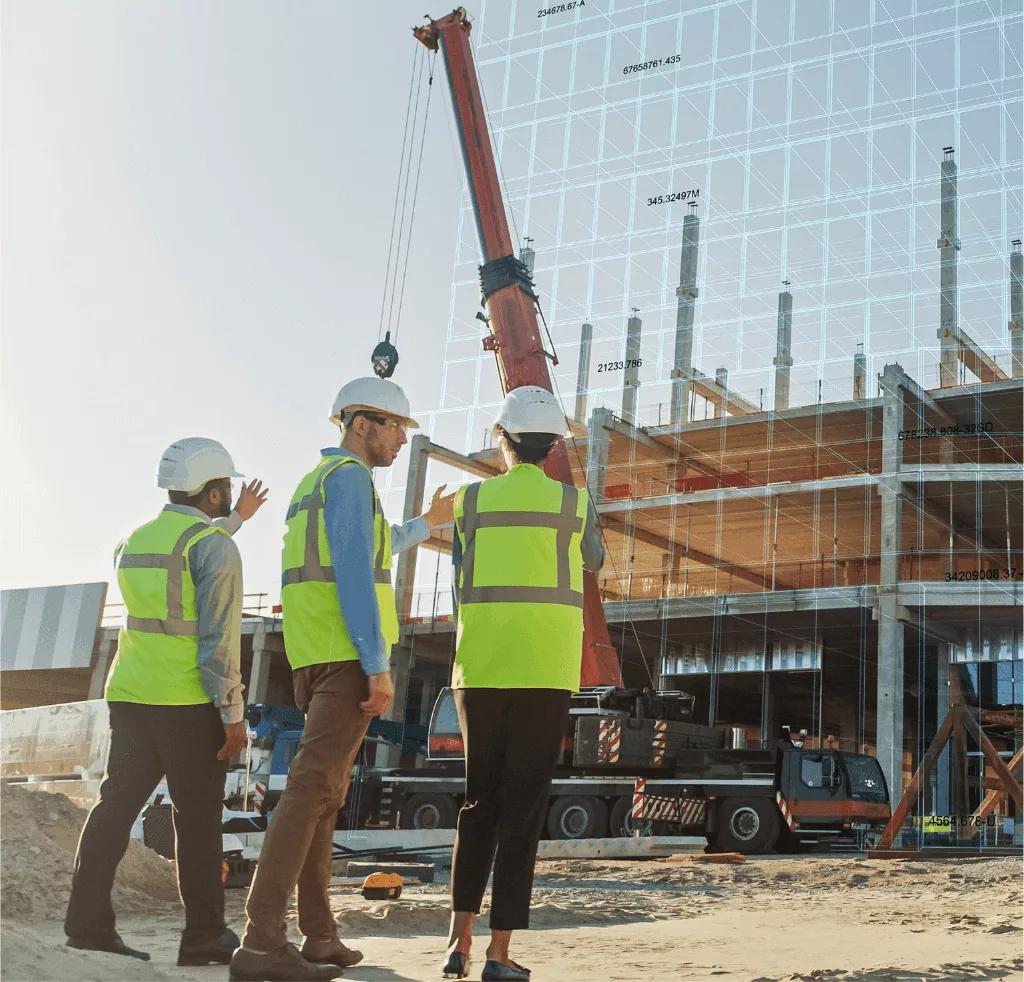
The construction industry is facing one of the most significant transitions in its modern history. Pressure to decarbonise is accelerating. New regulations are reshaping building safety requirements. Digital technologies are transforming project delivery. At the same time, the sector continues to grapple with skills shortages, competency challenges and increasing expectations around accountability. The challenge is no longer simply delivering projects on time and on budget. Today, construction leaders are being asked to build safer, smarter and more sustainable environments simultaneously. Achieving all three is becoming one of the defining issues facing the industry.
That challenge was at the centre of a recent Midlands CPD event hosted by the Chartered Institute of Building, where industry experts gathered to discuss competency, building safety and sustainability in modern construction. The conversation reflects a much larger shift taking place across the built environment sector. For years, sustainability and safety were often treated as separate conversations. One focused on reducing environmental impact. The other focused on protecting people and ensuring compliance. Increasingly, however, industry leaders are recognising that these priorities must be addressed together.

As highlighted during the CIOB Midlands event, the construction sector is under growing pressure to adopt innovative low-carbon materials, modern construction methods and new approaches to design while ensuring safety standards remain uncompromised. That balance is becoming increasingly important as governments and developers pursue ambitious net-zero targets. The construction industry is responsible for a significant proportion of global carbon emissions, resource consumption and waste generation. Reducing that impact requires fundamental changes across the entire project lifecycle, from design and material selection through to construction, operation and refurbishment.
Yet sustainability goals cannot come at the expense of safety. This has become particularly relevant with the growing interest in bio-based materials and timber construction. Mass timber and engineered wood products are gaining attention as lower-carbon alternatives to traditional building materials. Advances in technology, engineering and fire performance standards have helped accelerate adoption in some markets. However, questions around risk management, compliance and long-term performance remain central to industry discussions. The result is an industry navigating a complex balancing act.
One of the key themes emerging from the CIOB discussions is competency. Following the introduction of the UK’s Building Safety Act, competency has become a major focus across the construction sector. Organisations are increasingly expected to demonstrate not only technical capability but also clear governance, accountability and evidence-based professional development. The conversation around competency extends far beyond qualifications alone. Industry leaders increasingly define competence as a combination of knowledge, training, experience and professional behaviour. As regulations evolve and technologies advance, maintaining competency requires continuous learning rather than static certification. For construction businesses, that means investing more heavily in workforce development and ongoing professional education.

The pace of change within the industry makes that increasingly necessary. Artificial intelligence, digital twins, advanced analytics and modern construction technologies are beginning to reshape how projects are planned, delivered and managed. At the same time, sustainability requirements are becoming more sophisticated, requiring professionals to understand carbon measurement, lifecycle analysis, circular economy principles and emerging environmental regulations. The modern construction professional is being asked to operate across a far broader range of disciplines than ever before.
This growing complexity is changing how the industry approaches project delivery. Historically, success was often measured primarily through cost, schedule and technical performance. Today, additional layers of responsibility have emerged. Projects are increasingly evaluated through environmental impact, safety performance, social value and long-term resilience. That shift is influencing decision-making at every stage of development. One area receiving particular attention is retrofit and adaptive reuse. Rather than focusing exclusively on new construction, many industry experts argue that existing buildings must play a larger role in achieving sustainability targets. Reconfiguring, upgrading and repurposing existing assets can significantly reduce embodied carbon compared with demolition and complete redevelopment.

This approach aligns with a broader movement toward circular construction practices. Rather than treating buildings as fixed assets with limited lifespans, the industry is increasingly exploring ways to extend asset life, recover materials and minimise waste throughout the construction process. Technology is helping accelerate that transition. Digital modelling, advanced building information management systems and AI-powered analytics are providing deeper visibility into project performance, material usage and operational efficiency. These tools allow organisations to make more informed decisions about both sustainability and safety outcomes.
The relationship between digital innovation and risk management is becoming particularly important. As construction projects grow increasingly complex, data-driven systems can help identify potential issues earlier, improve compliance monitoring and support more effective decision-making across project teams. That capability is likely to become even more valuable as regulatory requirements continue to evolve. The CIOB’s wider professional development initiatives increasingly reflect this reality, placing greater emphasis on future-focused competencies that combine technical expertise, sustainability knowledge and leadership capability.
The industry’s workforce challenge remains another critical factor. Delivering safer and more sustainable buildings ultimately depends on having professionals equipped with the skills required to manage new technologies, materials and regulatory frameworks. Upskilling existing workforces while attracting new talent into the sector is becoming one of construction’s most urgent priorities. The importance of that challenge cannot be overstated. Construction sits at the centre of many of the world’s biggest economic and environmental ambitions. Housing delivery, infrastructure expansion, energy transition projects and urban regeneration all depend on a sector capable of adapting to rapidly changing demands.
The Future of Sustainable Construction
What emerged from the CIOB Midlands discussions is a growing recognition that safety, sustainability and competency are no longer separate priorities. They are increasingly interconnected. Safer buildings require competent professionals. Sustainable buildings require informed decision-making. Smart buildings require both technological understanding and strong governance. Success depends on bringing all of those elements together rather than treating them as competing objectives.
As construction enters a new era shaped by decarbonisation, regulation and digital transformation, the industry’s future may depend less on choosing between safety, sustainability and innovation and more on learning how to deliver all three at the same time. That challenge is complex, but it is rapidly becoming the new benchmark for modern construction leadership.