




Josh Steffen on Building Fly and the Case for Boxing-Led Wellness
Business Enquirer speaks with Josh Steffen, CEO of Fly, about the gap in the market that inspired the brand, the parallels between boxing and executive leadership, and why he believes combat-sport training has a growing role to play in corporate wellbeing.
Boxing and business don’t sit together in most people’s minds — but for Josh Steffen, CEO of British boxing brand Fly, the two have far more in common than most executives realise. From craftsmanship inspired by the world of luxury automotive brands to the discipline demanded inside the ring, Steffen believes the sport has lessons, and tangible benefits, for business leaders far beyond the gym.
Spotting a Gap in the Market
Before founding Fly, Steffen worked selling other boxing equipment brands while working closely with athletes — an experience that revealed a clear gap in the market. “I found that there was a real demand for bespoke items to aid them with their training,” he explains, “whether that was a better fit, more protection in certain areas, greater manoeuvrability or, of course, a custom aesthetic through unique leathers or designs.”
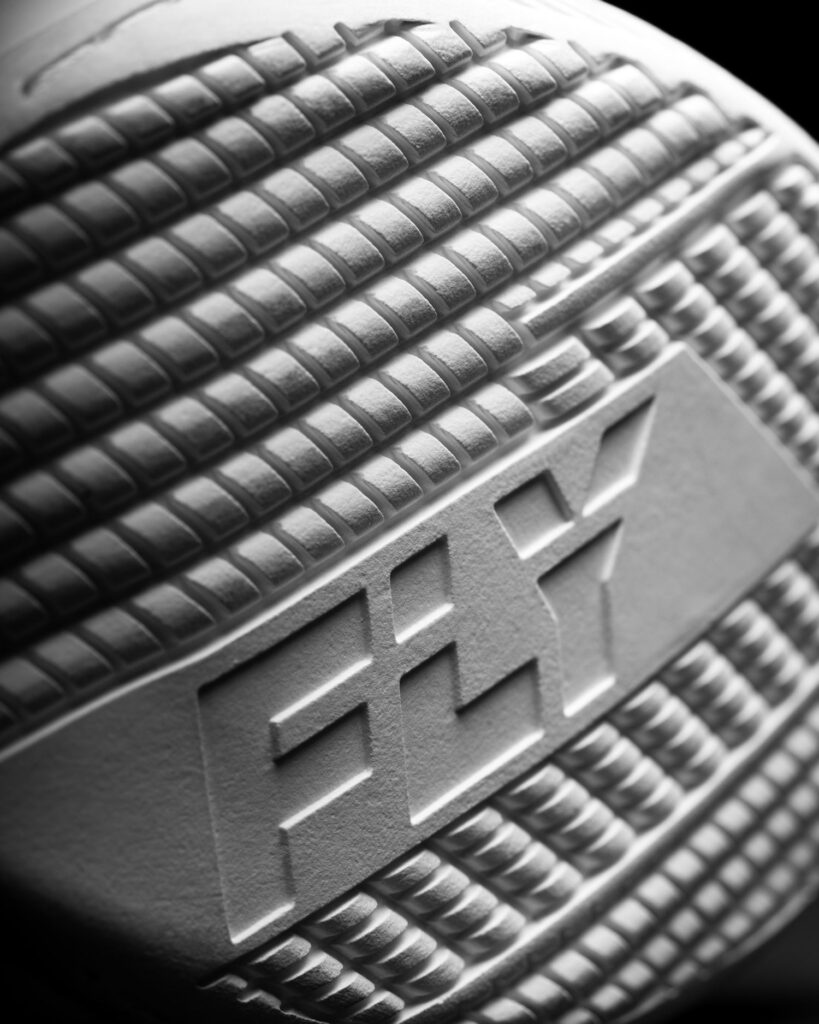
Crucially, no UK brand was addressing that demand with genuine craftsmanship. Steffen set out to change that, drawing inspiration from an unlikely source. “I wanted to bring to the market a level of craftsmanship that you see in brands like Rolls-Royce and Bentley,” he says. “And so, Fly was born.”
What Boxing and Leadership Have in Common
Steffen sees clear parallels between the demands of boxing and those placed on senior executives. “Like in boxing, whilst you have your team around you — and it is imperative to have a good support structure — ultimately, the buck stops with you,” he says. Both worlds, he argues, require adaptability and resilience: the ability to reassess when something isn’t working, “give yourself a talking-to,” and find a new answer. “Like in training, you have to work hard and dedicate yourself. There are many similarities.”
Tackling Stress and Burnout
With burnout an increasingly prominent boardroom concern, Steffen believes boxing-based training offers real value — not just physically, but in how people relate to stress itself. “A lot of stress is actually our perception of a problem,” he says. Boxing, in his view, sharpens the ability to think on your feet while also providing an outlet: a way to “blow off some steam, overcome problems or work towards a goal — all of which translate beautifully into the corporate world.”
Making Boxing Accessible Beyond the Ring
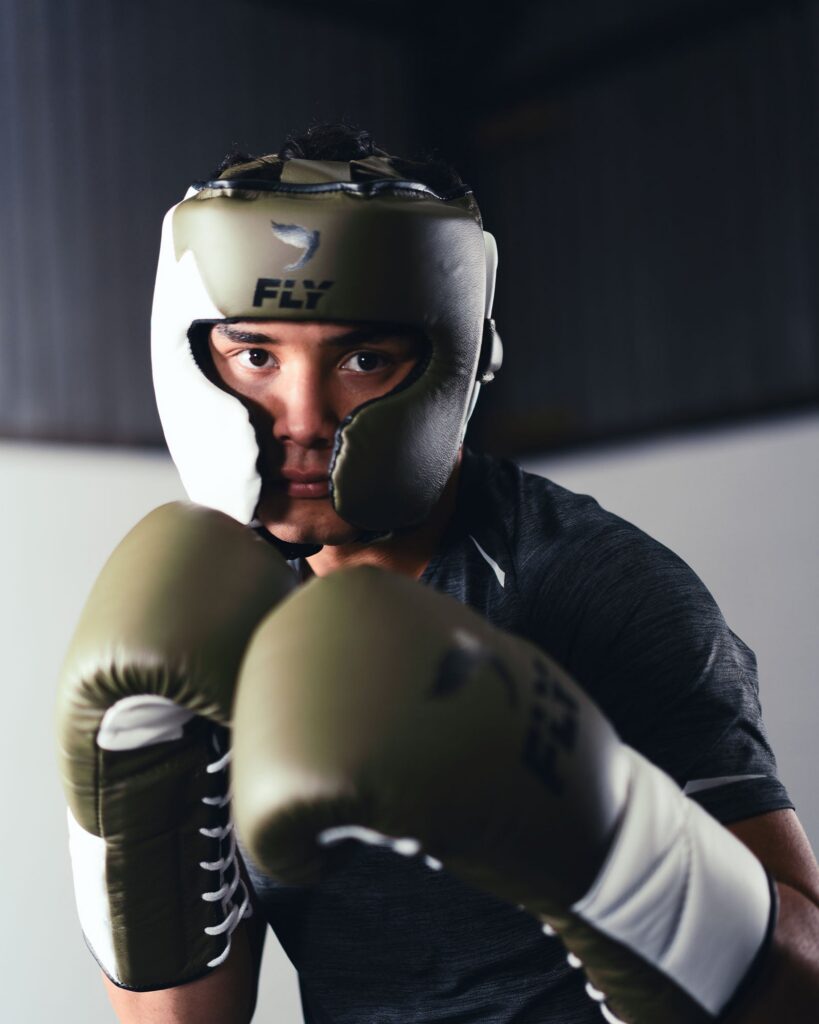
Steffen acknowledges that boxing is still widely associated purely with competition, but he also says that perception is shifting, helped along by a growing number of community-led boxing gyms, several of which Fly partners with directly. The company has also developed products aimed squarely at this broader audience: the Fly Team Glove, a fitness-focused design for people who want the training benefits of boxing “without the getting-punched-in-the-face part.”
Lessons From Matchroom Boxing
Asked about the influence of major promotional outfits like Matchroom Boxing, Steffen points to the way the organisation has professionalised the sport’s presentation and broadened its audience. “I think they’ve done a great job of making boxing a cleaner and more digestible product for a wider audience,” he says, citing the way stars such as Anthony Joshua and Katie Taylor have helped widen boxing’s demographic reach well beyond its traditional base.
That role extends to inspiring the sport’s next generation, Steffen adds. “It’s important for the next generation to see how the current generation has come through and got into boxing in the first place. That can only help inspire our next superstars.” Organisations like Matchroom, he says, are “vital” to that process — both for spectators and for those considering taking up the sport themselves.
What Executives Can Learn From Elite Boxing Teams
Elite boxers are supported by carefully assembled teams of coaches, nutritionists, medical professionals and performance specialists — a structure Steffen believes has direct relevance to how executives build their own leadership teams. “You have to have a team around you that you can really trust, as well as people who are really good at what they do and don’t cause problems within the team,” he says. Getting that right, he argues, allows leaders to stay focused on their own strengths rather than being pulled in every direction. “Without that, you can lose focus on the task at hand.”
Measuring Impact Beyond the Physical
Fly’s ambitions extend beyond physical transformation, but Steffen is candid that softer outcomes — confidence, productivity, resilience, workplace culture — are harder to quantify. “Things like those are only measurable to a certain level,” he says. “For us, it’s about feedback and talking to our community, customers, athletes and so on.”
A Role in Corporate Wellbeing and Team Building
Steffen sees real potential for boxing and wellness experiences to become a more established part of corporate leadership development and employee benefits. The sense of camaraderie found in a boxing gym, he argues, is a significant part of the draw. “Whilst you’re in the ring or hitting the bag on your own, there is a real sense of belonging and of overcoming something together when you’re in the gym with others, or taking part in a class,” he says. “That’s really great for team building and creating a sense of community.”
The Long-Term Vision for Fly
Looking ahead, Steffen’s ambitions for Fly extend well beyond boxing equipment alone. “The long-term vision for the brand is to become not only a high quality UK-made boxing brand, but, in fact, a premium sportswear brand across many different sports,” he says — a trajectory that could see Fly’s craftsmanship-led approach, and its belief in the connection between combat sport and personal performance, extend into new categories in the years ahead