



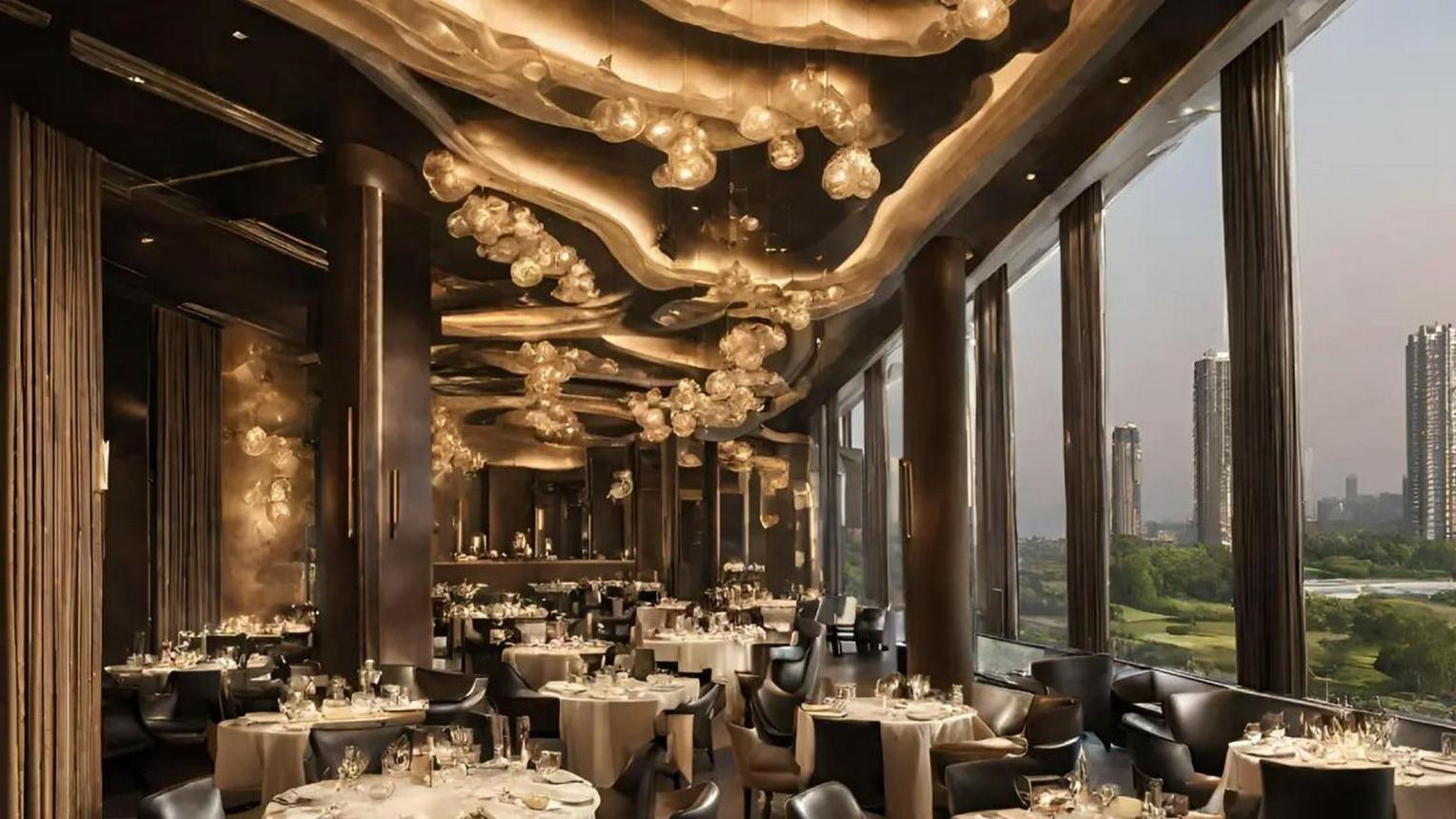
Luxury hospitality is no longer defined solely by where you stay. Increasingly, it is being shaped by where you dine.
Across the world’s leading hospitality destinations, restaurants are evolving far beyond traditional fine dining concepts. They are becoming cultural experiences, architectural showcases and emotional centrepieces that define the identity of luxury hotels, cities and entire travel ecosystems. In many ways, elevated dining has become the new language of modern luxury itself.
From Monaco and Dubai to Tokyo, Copenhagen and Cape Town, the world’s most influential hospitality brands are now investing as heavily into culinary identity as they do into accommodation design. Michelin stars still matter, but today’s luxury traveller wants more than technical perfection alone. Atmosphere, storytelling, local authenticity and emotional connection are becoming just as important as the menu itself.

This evolution reflects a much broader shift taking place across luxury travel. Affluent travellers increasingly seek experiences rather than visible status alone. Dining has become one of the most powerful ways for destinations and hospitality brands to create those experiences because food naturally combines culture, atmosphere, design and emotion in a way few other industries can replicate. The result is that restaurants are no longer functioning simply as hotel amenities. They are becoming global destinations in their own right.
Across the French Riviera, restaurants such as Le Louis XV – Alain Ducasse à l’Hôtel de Paris continue defining the relationship between gastronomy and ultra-luxury hospitality. The restaurant’s blend of Mediterranean identity, Riviera elegance and culinary precision has helped reinforce Monaco’s position as one of the world’s most aspirational hospitality destinations for decades.
At the same time, the Middle East is rapidly becoming one of the world’s most ambitious dining markets. Cities such as Dubai and Doha are aggressively expanding their luxury dining ecosystems through partnerships with internationally recognised chefs, architecturally ambitious restaurant concepts and increasingly experience-led hospitality environments.

What makes modern elevated dining particularly interesting is how much the industry has moved away from traditional definitions of luxury. For years, fine dining often centred around formality, exclusivity and rigid service structures. Today’s premium hospitality market increasingly values atmosphere, emotional comfort and authenticity instead. The best restaurants now feel immersive rather than intimidating.
This is especially visible in destinations across Scandinavia and Japan, where minimalism, locality and ingredient storytelling have become central to the dining experience itself. Restaurants such as Noma helped reshape global perceptions of luxury gastronomy by proving that hyper-local ingredients, environmental awareness and simplicity could feel more exclusive than extravagance. Similarly, Tokyo’s world-leading restaurant culture continues demonstrating how precision, intimacy and craftsmanship can create extraordinary luxury experiences without theatrical excess.
That philosophy is increasingly influencing luxury dining globally. Hotels, resorts and hospitality groups are now designing culinary experiences around emotional atmosphere rather than simply technical achievement. Lighting, architecture, music, scent and spatial design are all becoming central components of restaurant identity. Dining itself is becoming multi-sensory.

Wellness and sustainability are also reshaping elevated dining culture. Affluent consumers increasingly expect premium restaurants to balance indulgence with responsibility. Locally sourced ingredients, regenerative farming partnerships, low-waste kitchens and seasonal menus are becoming defining markers of modern culinary credibility.
This is changing how luxury is perceived altogether. Exclusivity is no longer driven purely by rarity or cost. Increasingly, it comes from authenticity, craftsmanship and intentionality. The world’s most desirable dining experiences are often the ones that feel personal, emotionally immersive and culturally connected rather than simply expensive.
Social media has accelerated this transformation dramatically. Restaurants are now global visual brands. Design aesthetics, presentation and atmosphere travel instantly across platforms such as Instagram and TikTok, allowing dining concepts to shape international hospitality trends almost overnight. But the most successful venues understand that aesthetics alone are no longer enough. Guests increasingly want experiences that feel memorable beyond photography.
That is why storytelling has become so important. The strongest luxury dining concepts now create narratives around place, heritage, ingredients and identity. Menus increasingly reflect regional culture and local ecosystems rather than generic international fine dining formulas. In many ways, restaurants have become cultural ambassadors for the destinations themselves.

Hospitality groups recognise the commercial importance of this shift as well. A globally recognised restaurant can dramatically elevate a hotel’s positioning, attract international clientele and strengthen long-term brand identity far beyond room revenue alone. Culinary prestige now directly influences luxury hospitality valuation and destination perception.
This is one reason major hotel brands continue investing aggressively into signature dining partnerships with celebrity chefs and globally recognised culinary talent. But despite the glamour surrounding fine dining, the deeper trend shaping the industry is actually simplicity.
Luxury travellers increasingly want spaces that feel effortless rather than performative. The best restaurants now create calm, atmosphere and emotional connection alongside technical excellence. Guests want to feel immersed rather than overwhelmed.
And that may ultimately define the future of elevated dining altogether. Because modern luxury is no longer simply about being impressed. It is about how a place makes you feel long after you leave the table.