



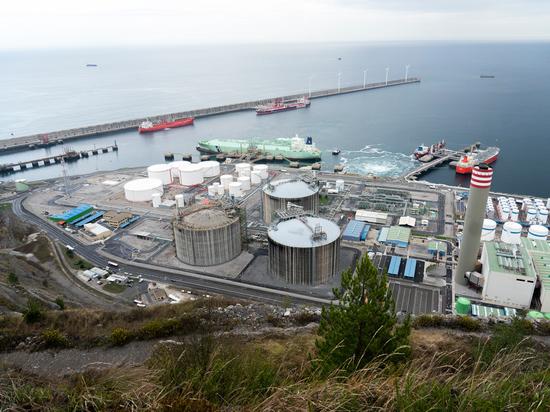
Europe’s energy security concerns may be entering a new phase as policymakers and industry leaders warn of intensifying competition from Asia for critical energy supplies.
After spending the past several years reducing dependence on Russian energy and diversifying supply chains, European nations now face a different challenge: securing enough affordable energy in an increasingly competitive global market. With Asian economies continuing to grow and demand for liquefied natural gas (LNG) expected to rise sharply, concerns are mounting that Europe could face greater competition for energy imports in the years ahead.
The warning comes at a time when governments across the continent are attempting to balance energy security, economic competitiveness and ambitious climate targets simultaneously.
“The energy crisis may have changed shape, but the competition for supply is only becoming more intense.”
A New Global Energy Battleground

In the immediate aftermath of the energy shocks that followed Russia’s invasion of Ukraine, Europe successfully secured alternative sources of natural gas through increased LNG imports and expanded partnerships with suppliers around the world.
However, that strategy relied heavily on the availability of global LNG supplies. As economic activity accelerates across Asia, particularly in countries seeking to transition away from coal while supporting industrial growth, demand for those same supplies is increasing significantly.
Industry experts have warned that Europe may no longer enjoy the same purchasing advantages that helped it secure energy during previous periods of disruption. Instead, buyers may increasingly find themselves competing directly with rapidly growing Asian economies for available LNG cargoes.
“The question is no longer whether energy is available, but who is willing and able to pay for it.”
Why Asia’s Demand Matters
Asia already accounts for a substantial share of global energy consumption, and demand is expected to continue rising over the coming decades.
Countries across the region are investing heavily in industrial expansion, urbanisation and electrification. At the same time, many governments are seeking cleaner alternatives to coal, making natural gas an important transitional fuel.
This combination of economic growth and energy transition creates significant demand for imported LNG, placing additional pressure on global supply chains and potentially influencing pricing across international markets.
For Europe, higher competition could translate into increased energy costs and greater uncertainty during periods of supply disruption.
Energy Security Remains a Priority

The situation is reinforcing Europe’s determination to strengthen domestic energy resilience.
Investment in renewable energy continues to accelerate across the continent, with governments expanding offshore wind, solar power and battery storage projects. Policymakers increasingly view renewable energy not only as a climate solution but also as a strategic tool for reducing dependence on imported fuels.
The challenge is that energy transitions take time. While renewable generation capacity continues to grow, natural gas remains an essential component of Europe’s energy mix, particularly during periods of peak demand and reduced renewable output.
As a result, ensuring access to reliable gas supplies remains a critical objective for many governments.
Industry Faces Growing Cost Pressures
Energy prices remain one of the most important factors influencing industrial competitiveness.
Manufacturers, heavy industry operators and energy-intensive businesses have already faced considerable challenges in recent years as energy markets experienced significant volatility. A sustained increase in global competition for energy could place additional pressure on businesses attempting to remain competitive against international rivals.
This is particularly relevant for sectors such as chemicals, manufacturing, steel production and advanced industrial processing, where energy costs represent a substantial portion of operating expenses.
Video: The Future of Global Energy Competition
As global demand continues to rise, energy security is becoming one of the defining geopolitical and economic issues of the decade. This overview explores how Europe, Asia and major energy producers are navigating an increasingly competitive market.
A Race to Diversify
Beyond renewables, Europe is also pursuing a broader diversification strategy.
Hydrogen projects, nuclear power investments, expanded interconnectors and energy storage technologies are all being developed as part of a long-term effort to strengthen energy independence. Many policymakers believe that reducing reliance on imported fossil fuels is the most effective way to avoid future exposure to global supply competition.
At the same time, governments recognise that maintaining affordability remains essential for both households and businesses.
Balancing security, sustainability and cost is becoming one of the most complex policy challenges facing Europe today.
Looking Ahead
Europe’s energy landscape has undergone dramatic transformation in recent years, but the latest warnings suggest the continent’s challenges are far from over. As Asian demand continues to grow and global competition for energy intensifies, securing reliable and affordable supplies will remain a critical strategic priority.
The good news for Europe is that investment in renewable energy, infrastructure and diversification is already well underway. The challenge will be ensuring those efforts progress quickly enough to reduce exposure to increasingly competitive global energy markets.
In the years ahead, the battle for energy may not be fought through shortages alone, but through competition, investment and long-term strategic planning. For Europe, staying ahead in that race could prove vital to both economic growth and energy security.