




Germany’s economy eked out a slight gain in August, propelled by revitalised industrial activity, even as the services sector hovered near stagnation. New PMI figures offer a glimmer of resilience in the face of mounting external pressures.
Industrial Pulse in Action
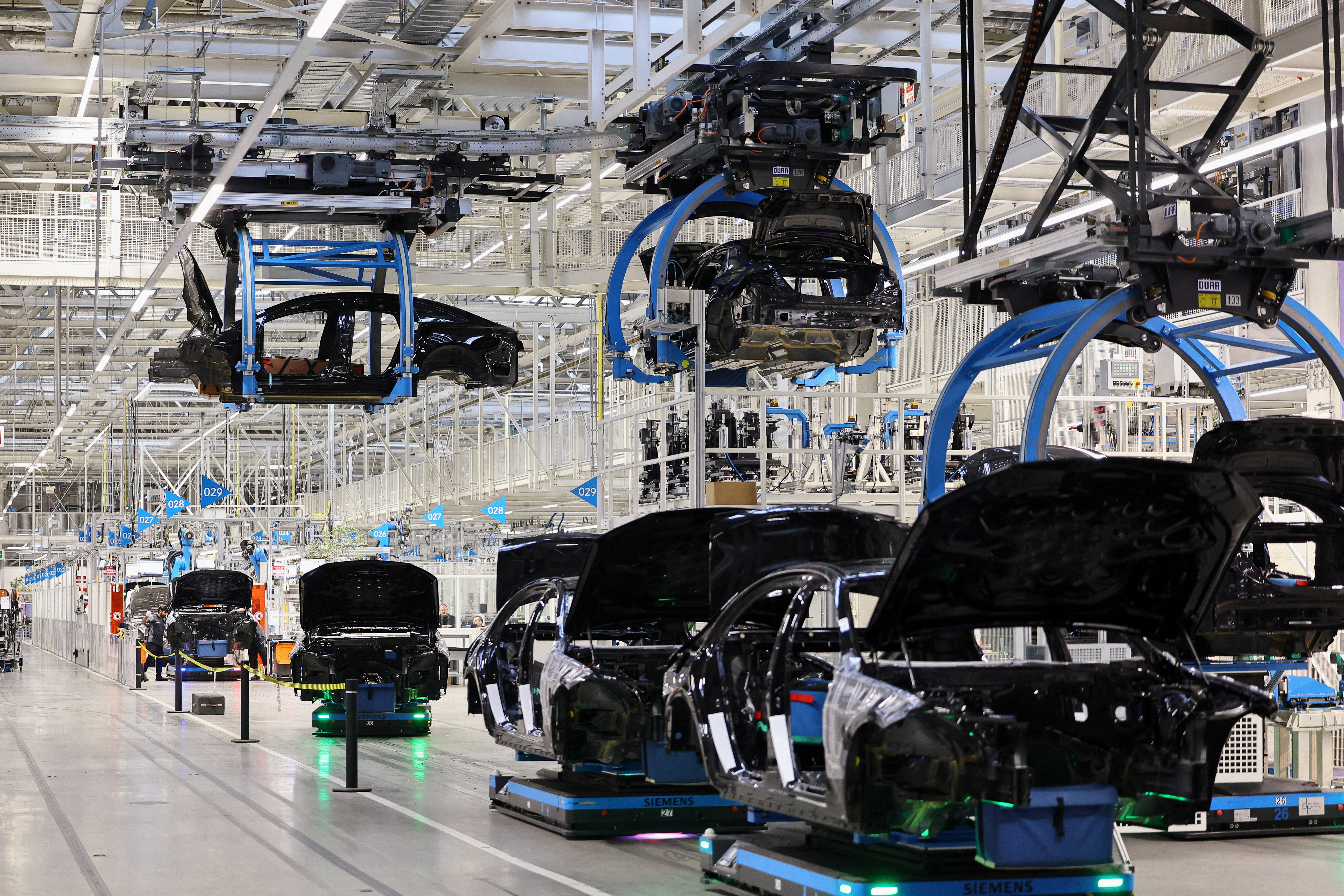
The HCOB Flash Composite Purchasing Managers’ Index (PMI) for Germany rose to 50.9 in August, up marginally from July’s 50.6 and hitting a five-month high. The manufacturing segment led the expansion, with its output index climbing to 52.6—the strongest in 41 months—fueled by a surge in new orders, which grew at the fastest pace since March 2022. Notably, export sales slipped slightly, underscoring the fragility amid global trade tensions.
In stark contrast, Germany’s services sector slipped to a business activity index of 50.1, down from 50.6—signalling near-stagnant growth and underscoring lingering softness in consumer and professional services markets.
Employment and Cost Pressures
The labor market painted a mixed picture. Manufacturing roles continued to be eliminated at a pace that surpassed service sector hiring, extending the employment downturn that began in mid-2024. At the same time, both input and output prices rose—reversing July’s dip. In particular, rising service-sector costs—likely driven by wage growth—added upward pressure on prices.
Insight from the Economist
Cyrus de la Rubia, Chief Economist at Hamburg Commercial Bank, framed the data as cautious but encouraging:
“Germany’s economy has been growing throughout the summer so far, and the pace of expansion has even picked up slightly,” he said. “While we’re talking about modest gains here, this trend signals resilience—considering the headwinds like U.S. tariffs, geopolitical uncertainty, and relatively high long-term interest rates.”
What This Means Going Forward
Germany’s Q3 outlook now hinges heavily on sustained industrial momentum. The manufacturing revival provides much-needed ballast, yet the near-freeze in services and continued job losses cloud the broader picture. If global demand falters or costs continue to climb, the modest growth trend could be short-lived.
Still, these PMI figures suggest that Europe’s largest economy isn’t stalled. Rather, it’s demonstrating a cautious, measured rebound—one that will require stronger service dynamics and employment trends to convert into mainstream stability.