



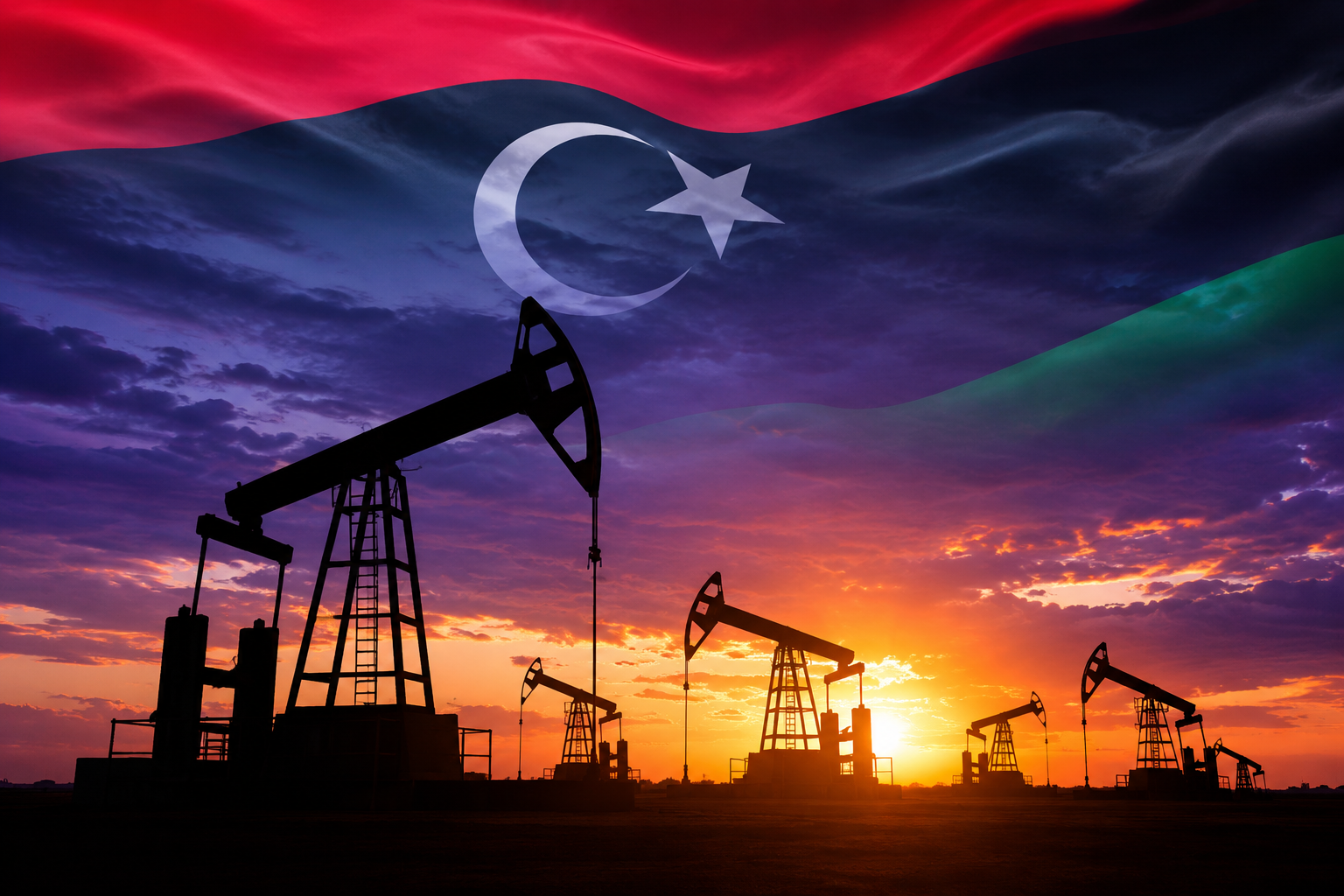
Libya targets major energy investment
Libya is seeking between USD 30 billion and USD 40 billion in investment to develop its oil and gas resources, modernise ageing infrastructure and increase crude production to two million barrels per day by 2030.
The North African producer currently produces around 1.4 million barrels per day and holds Africa’s largest proven crude oil reserves, estimated at approximately 48 billion barrels. Libya’s National Oil Corporation says the country also has more than 60 discovered oil and gas fields that have yet to be developed.
Untapped resources create new opportunities
The scale of Libya’s untapped resources is creating opportunities for international energy companies as the country looks to attract fresh capital and expand production.
NOC chairman Masoud Suleman said Libya is considering changes to its existing production sharing agreements to make projects more attractive to foreign investors. Potential changes could allow international partners to take on a greater share of upfront development costs.
The move could help accelerate projects that have previously been delayed by limited government funding, while giving international companies greater opportunities to participate in Libya’s energy sector.
International companies show renewed interest
International interest in Libya’s oil and gas industry is already growing. Exploration blocks have been awarded to companies including Chevron, Eni, QatarEnergy and Repsol, highlighting the potential of the country’s resources.
A recent agreement with Qatar based UCC Holding for Area 47 is also expected to attract around USD 1 billion in investment, adding to the momentum behind Libya’s efforts to expand exploration and production.
Libya strengthens regional energy links
Libya is also strengthening its position in regional energy markets. During 2026, Libyan crude began flowing to Nigeria’s Dangote Refinery, with Nigeria importing around 64,500 barrels per day of Libyan crude in May, according to the supplied reports.
Europe remains another important market for Libyan crude because of the country’s geographical proximity to Mediterranean refiners and the characteristics of its light, low sulphur oil.
Security remains central to future growth
While the investment opportunity is significant, Libya faces challenges that could influence the pace of future development. Years of political instability, conflict, export blockades and underinvestment have affected the country’s energy infrastructure.
Security also remains a key consideration for international companies. Recent attacks have damaged infrastructure and disrupted operations, underlining the importance of improving stability as Libya seeks to attract billions of dollars in new investment.
If the country can strengthen security, governance and the reliability of its investment framework, its substantial reserves and undeveloped fields could provide a significant platform for future production growth.
With a target of two million barrels per day by 2030 and billions of dollars in potential investment, Libya oil and gas investment is emerging as an important development to watch across the global energy sector.
Source: International Finance
Image: International Finance