



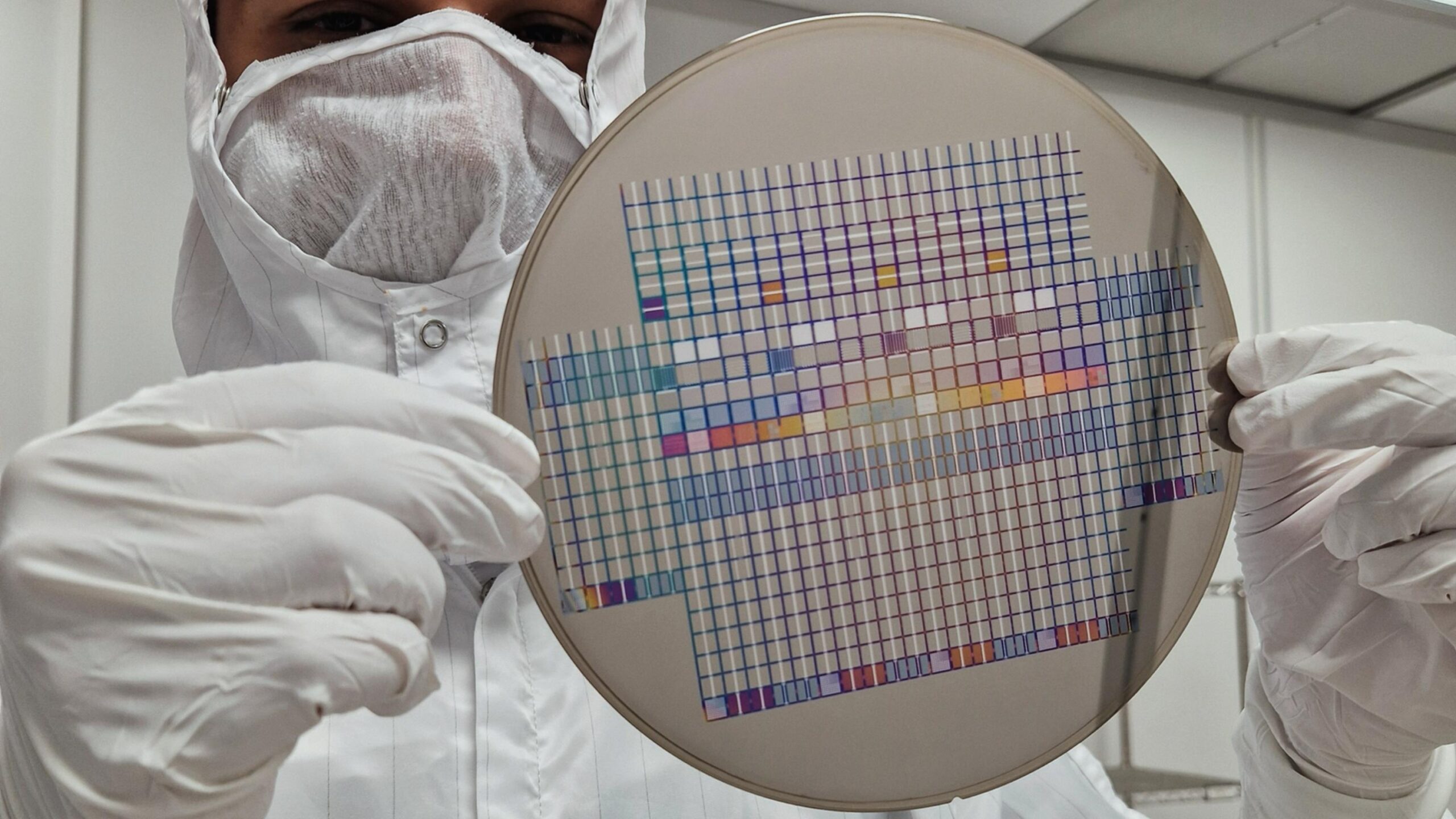
A major investment led by Scottish technology company Neuranics is set to strengthen Glasgow’s advanced manufacturing capabilities, create skilled employment opportunities and support the UK’s growing semiconductor industry.
Scotland’s semiconductor industry has received a significant boost following confirmation that a £13.1 million advanced manufacturing project led by Neuranics is moving into delivery.
Announced on 26 November 2026, the development represents the first project to enter delivery under the £190 million Glasgow City Region Investment Zone, marking an important milestone in the region’s ambitions to become an internationally competitive advanced manufacturing hub.
The initiative brings together Neuranics, the University of Glasgow’s James Watt Nanofabrication Centre and Kelvin Nanotechnology, combining commercial expertise with academic research and specialist engineering capabilities.
Strengthening Domestic Manufacturing Capabilities
The project will establish new infrastructure for the production of advanced magnetic sensors, incorporating specialist ion beam etching equipment at the University of Glasgow.
By expanding domestic manufacturing capabilities, the investment aims to provide technology businesses with greater access to specialist production facilities, helping bridge the gap between research, product development and commercial manufacturing.
The project includes £5.2 million in funding from the Glasgow City Region Investment Zone, alongside support from Scottish Enterprise and contributions from the project partners.
For Neuranics, the development provides an opportunity to accelerate product development, retain greater control over its intellectual property and establish a stronger foundation for commercial growth within Scotland.
Creating Jobs and Supporting Regional Supply Chains
More than 100 jobs are expected to be created through the wider project, supporting the development of specialist engineering and semiconductor manufacturing expertise.
Beyond direct employment, the investment could create opportunities for suppliers, research institutions, emerging technology companies and university spinouts seeking access to advanced manufacturing infrastructure.
The collaboration demonstrates the importance of partnerships between government, industry and academia in developing competitive regional manufacturing ecosystems.
Supporting the UK’s Semiconductor Ambitions
The announcement comes at a time of continued growth across the British semiconductor sector.
According to the UK Government’s 2026 Semiconductor Sector Study, dedicated semiconductor businesses generated an estimated £10.6 billion in revenue during 2025, directly employing approximately 16,350 people.
Semiconductors underpin an increasingly diverse range of industries, from healthcare and consumer electronics to artificial intelligence, telecommunications and industrial automation.
Investment in specialist manufacturing infrastructure could therefore help British businesses capture greater economic value from domestically developed technologies while strengthening supply chain resilience.
As the Neuranics-led project progresses, Glasgow has an opportunity to build upon its established engineering heritage, attract further investment and reinforce Scotland’s position within the international semiconductor industry.
The development offers a positive example of how targeted investment, research collaboration and industrial innovation can support long-term economic growth.