



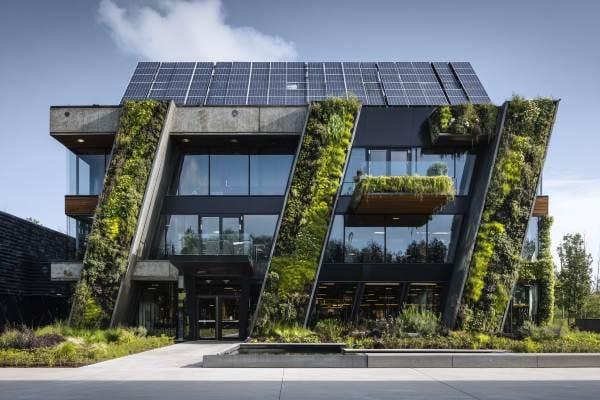
As sustainability moves from aspiration to necessity, architects are increasingly finding themselves at the forefront of one of the most important transformations in the built environment. From net-zero buildings and circular design principles to low-carbon materials and regenerative development, the industry’s role in tackling climate challenges has never been more significant.
Against this backdrop, the Architects’ Journal has announced its AJ100 Sustainability Leader of the Year 2026, recognising an individual whose work is helping drive meaningful environmental progress across the architectural profession.
The award celebrates leadership, innovation and a commitment to embedding sustainability into both design practice and business strategy, highlighting the growing importance of environmental responsibility throughout the construction and property sectors.
“Sustainability is no longer a specialist discipline within architecture. It has become a defining measure of design excellence.”
Recognising Leadership in a Critical Era

The AJ100 Awards have long been regarded as one of the most respected benchmarks within the UK architectural profession, celebrating excellence across practice management, innovation, diversity and design leadership.
The Sustainability Leader of the Year category specifically recognises individuals who have demonstrated exceptional commitment to advancing environmental performance within architecture. This includes influencing project outcomes, shaping organisational culture and helping clients embrace more sustainable approaches to development. (architectsjournal.co.uk)
The recognition reflects a broader shift occurring throughout the industry, where sustainability considerations are increasingly influencing every stage of a project’s lifecycle, from concept design and material selection through to operation and long-term performance.
Architecture’s Expanding Responsibility
The built environment accounts for a substantial proportion of global carbon emissions, making architects central to efforts aimed at achieving national and international climate objectives.
As a result, sustainability has evolved far beyond energy efficiency alone. Today’s leading architects are considering embodied carbon, biodiversity, resource efficiency, social impact and circular economy principles as fundamental components of successful design.
Projects are increasingly being evaluated not simply by their appearance or functionality, but by how effectively they minimise environmental impact while creating long-term value for communities.
“The most influential architects today are shaping not only buildings, but the environmental future of our cities.”
The Rise of Regenerative Design


One of the most significant trends influencing architecture in recent years has been the move towards regenerative design.
Rather than focusing solely on reducing harm, regenerative approaches seek to create positive environmental outcomes by enhancing biodiversity, improving ecosystem health and generating long-term social benefits.
This shift is encouraging architects to think beyond traditional sustainability metrics and consider how buildings can actively contribute to healthier urban environments.
Many of the profession’s leading sustainability advocates have championed this broader perspective, helping to redefine what successful architecture looks like in the twenty-first century.
Industry-Wide Transformation
The AJ100 Sustainability Leader award also reflects how deeply environmental considerations have become embedded across the profession.
Practices of all sizes are investing in carbon literacy programmes, sustainability specialists, digital modelling technologies and new design methodologies aimed at reducing environmental impact.
Clients are increasingly demanding stronger sustainability credentials, while regulatory requirements continue to evolve in response to climate commitments and net-zero targets.
For architecture firms, sustainability is no longer simply a competitive advantage; it is becoming an essential business requirement.
Video: How Sustainable Architecture Is Reshaping Cities
From low-carbon materials and circular construction to regenerative urban planning, sustainable architecture is rapidly transforming how buildings are designed, constructed and operated around the world.
Beyond Buildings
The influence of sustainability leaders increasingly extends beyond individual projects.
Many are helping shape industry standards, contributing to policy discussions, mentoring future professionals and driving research into emerging technologies and construction methods.
This broader impact is becoming increasingly important as governments, developers and communities seek solutions capable of addressing complex environmental challenges.
The profession’s ability to innovate and collaborate will play a critical role in determining how quickly the built environment can transition towards a more sustainable future.
Looking Ahead
The announcement of the AJ100 Sustainability Leader of the Year 2026 serves as a reminder of the growing importance of environmental leadership within architecture. As climate challenges continue to reshape the built environment, the individuals driving innovation, collaboration and sustainable thinking are becoming some of the profession’s most influential voices.
For architects, developers and policymakers alike, the message is increasingly clear: sustainability is no longer a separate consideration. It is central to how buildings are conceived, delivered and evaluated.
As the industry continues its journey towards net-zero and beyond, the leaders recognised today are helping define the standards that will shape the cities of tomorrow.