



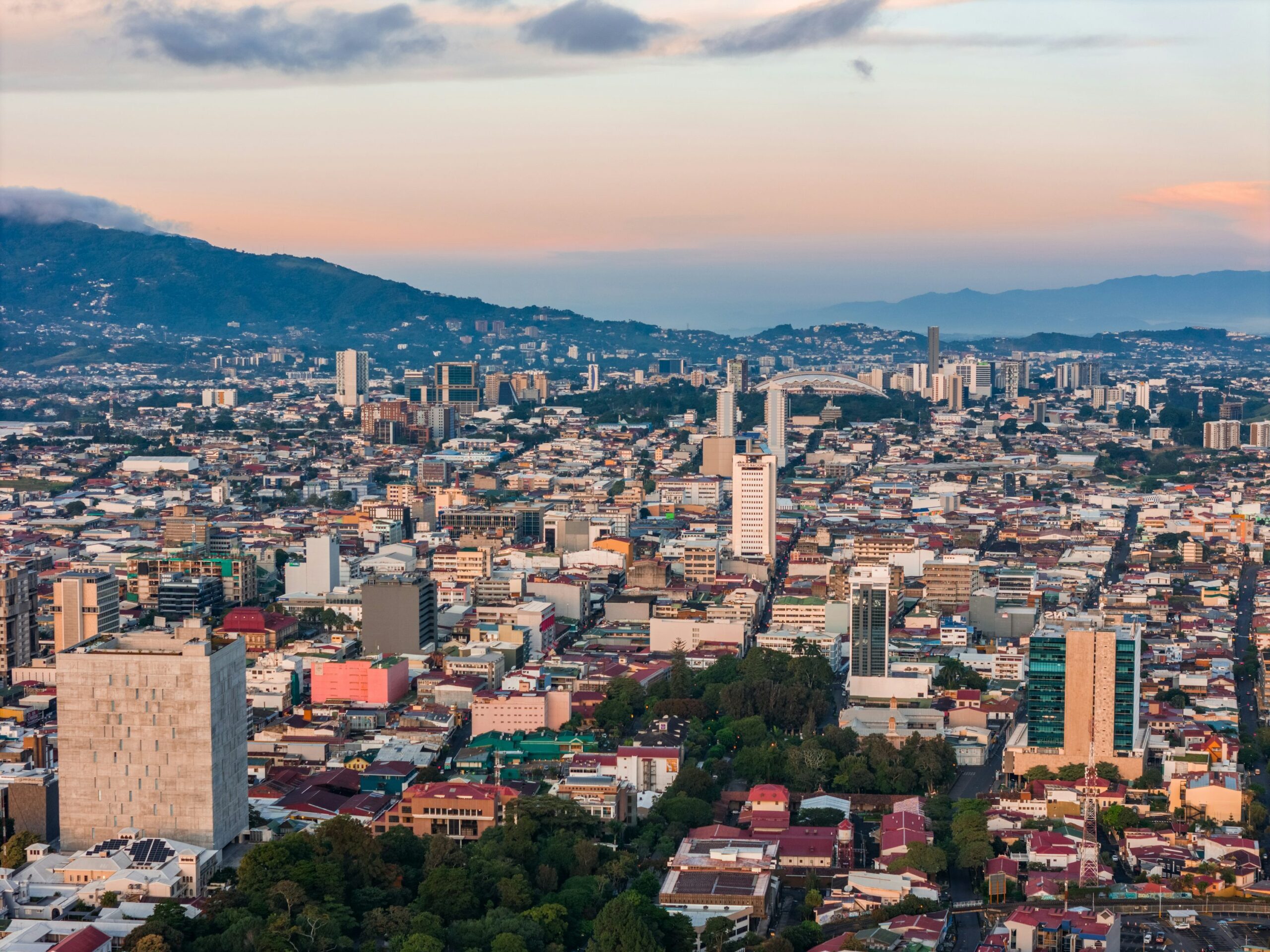
Costa Rica is often described in superlatives, but few are overstated. This small Central American nation has built a global reputation not through scale, but through balance—between development and preservation, modernity and nature, growth and sustainability.
Positioned between Nicaragua and Panama, and bordered by both the Pacific Ocean and the Caribbean Sea, Costa Rica occupies a unique geographic and ecological space. Its coastlines range from volcanic black-sand beaches to coral-rich tropical waters, offering a diversity of landscapes rarely found within a single country.
A Capital at the Centre of Nature
4
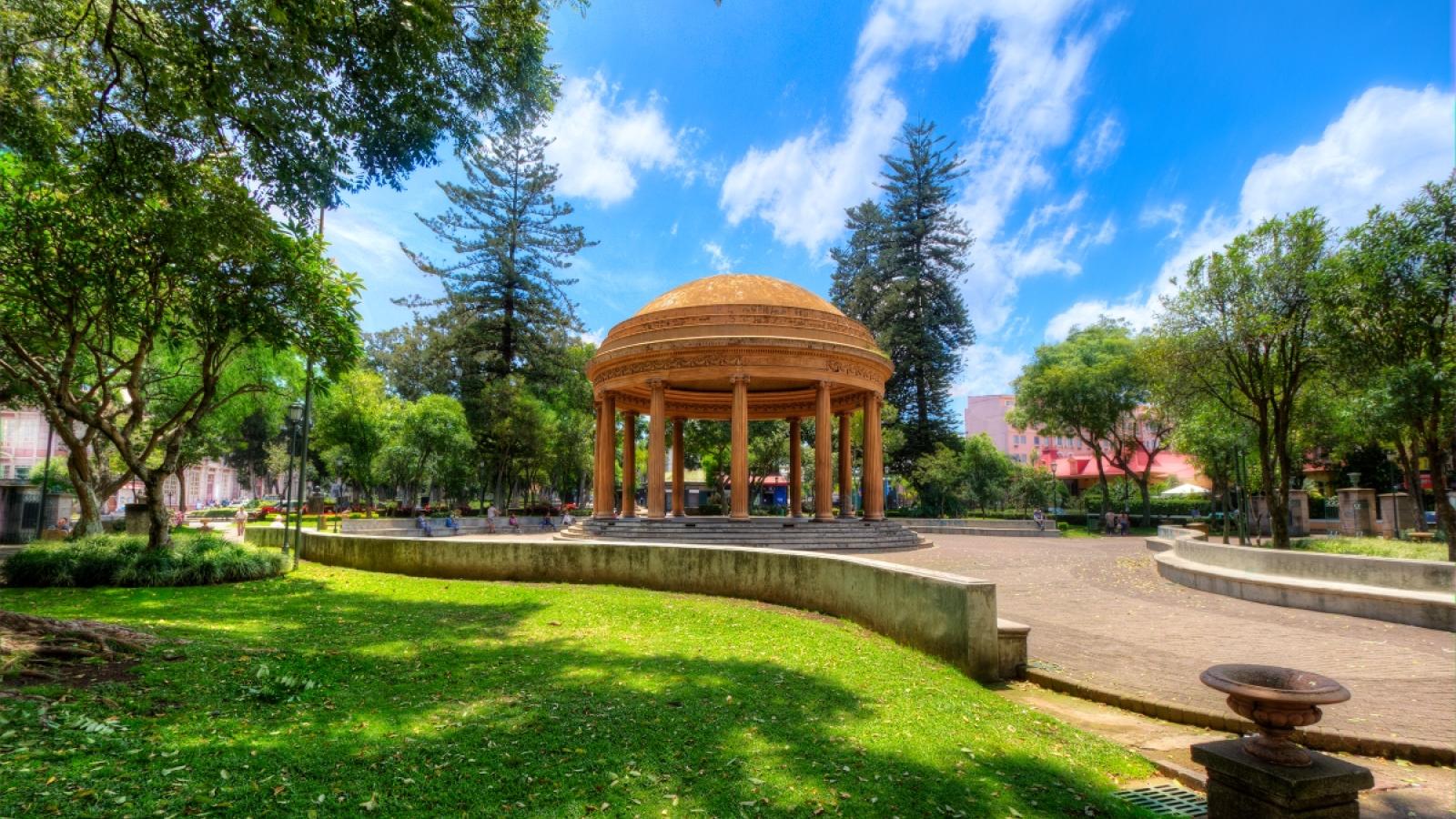
At the heart of the country lies San José, a city that reflects Costa Rica’s dual identity. It is a modern, functioning capital—home to government institutions, business activity, and cultural life—yet it remains deeply connected to its surroundings.
Set within the central valley, San José is framed by mountains, coffee plantations, and protected landscapes. The transition from urban centre to natural environment is not distant or abstract; it is immediate. This proximity shapes both the rhythm of daily life and the country’s broader approach to development.
A Global Benchmark for Biodiversity

4
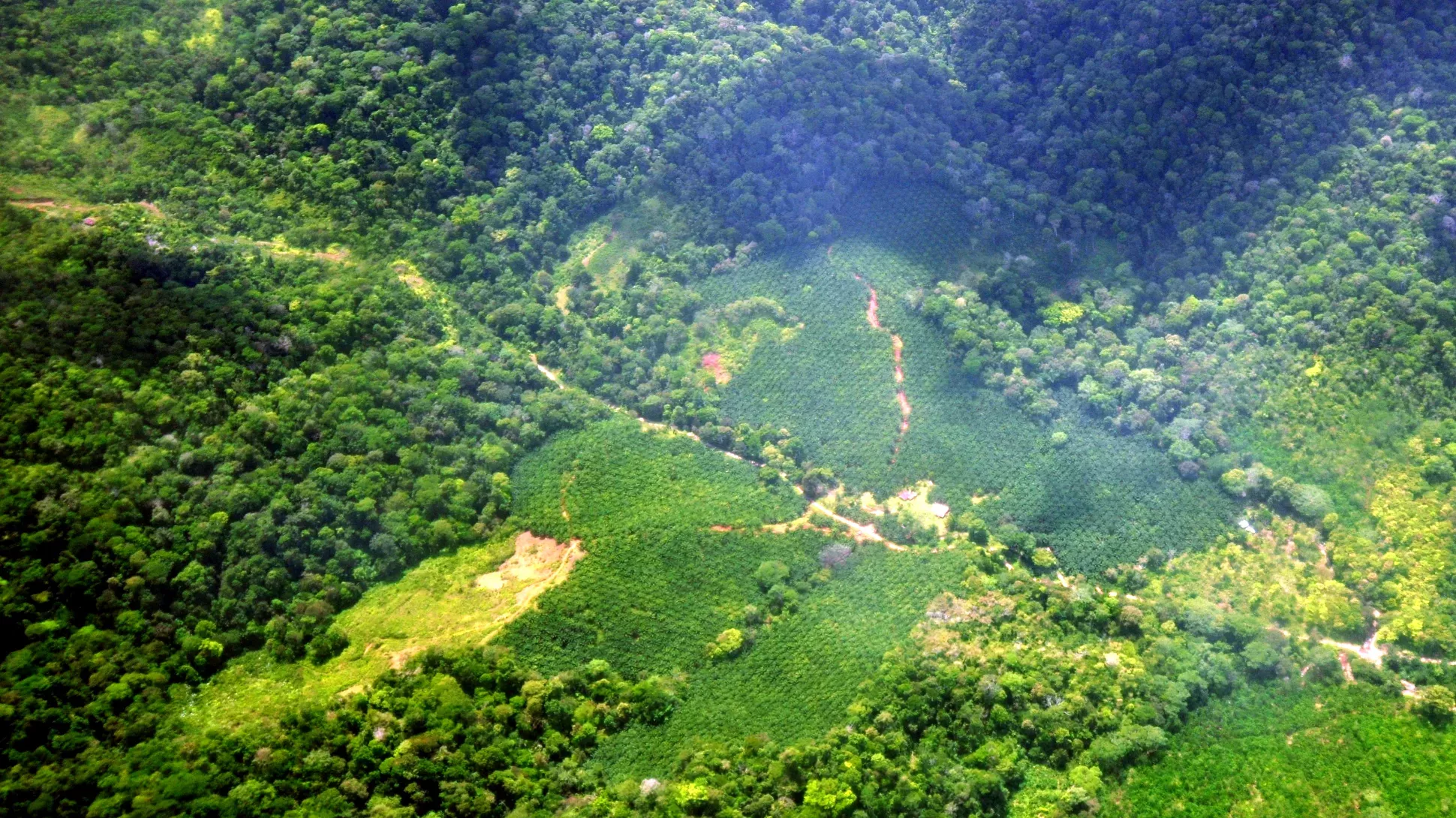
Costa Rica’s defining characteristic is its natural environment. Despite its relatively small size, it is one of the most biodiverse countries in the world, home to rainforests, cloud forests, volcanoes, and an extensive network of protected reserves.
Among its most renowned ecosystems is the Monteverde Cloud Forest Reserve, where mist-covered canopies and dense vegetation support an extraordinary range of species. The reserve has become a focal point for eco-tourism, drawing visitors interested in wildlife, conservation, and immersive natural experiences.
This emphasis on preservation is not incidental. It is embedded in national policy, with a significant portion of the country designated as protected land.
Volcanoes, Adventure, and Landscape
4
Few natural landmarks capture Costa Rica’s landscape as clearly as the Arenal Volcano. Rising above the surrounding rainforest, it has become one of the country’s most recognisable features.
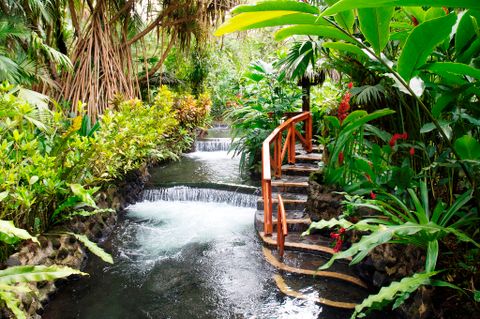
The region around Arenal offers a blend of activity and stillness—hiking trails, thermal hot springs, and dense jungle environments that support both adventure tourism and quiet retreat. It reflects a broader national pattern, where natural assets are not only preserved, but thoughtfully integrated into the visitor experience.
The Meaning of “Pura Vida”
Costa Rica’s global identity is not defined solely by its landscapes. It is also shaped by a cultural philosophy captured in a simple phrase: Pura Vida.
Often translated as “pure life,” the expression reflects a broader outlook—one that prioritises wellbeing, simplicity, and a positive approach to daily living. It is both a greeting and a mindset, woven into the social fabric of the country.
This philosophy aligns closely with Costa Rica’s wider development model. The country has long prioritised renewable energy, environmental protection, and social stability, including its historic decision to abolish its military. These choices have contributed to its reputation as one of the most stable and forward-looking nations in the region.
The Bigger Picture
Costa Rica’s significance extends beyond tourism or natural beauty. It represents a model—imperfect but instructive—of how a country can pursue growth while maintaining environmental and social priorities.
In a global landscape increasingly defined by climate pressure and resource constraints, that balance is becoming more relevant.
Costa Rica may be small in size, but its influence lies in the example it sets: that development and preservation do not have to exist in opposition.