



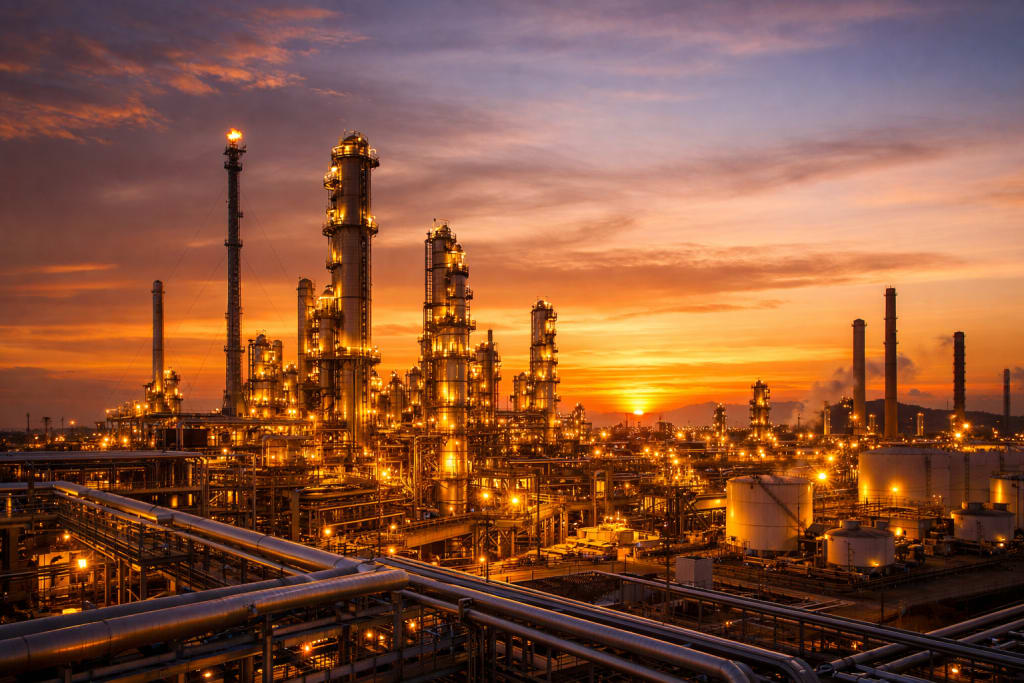
In the midst of a deepening global energy shock, the Kremlin has made a striking claim: the world is not turning away from Russian energy—it is lining up for it. According to recent reporting, officials say they are receiving a “huge number of requests” for oil and gas supplies as global markets tighten under geopolitical strain. This is more than rhetoric. It reflects a rapidly shifting energy landscape, where disruption is creating new dependencies just as old ones are being dismantled.
Since the invasion of Ukraine, Europe has worked to reduce its reliance on Russian fossil fuels through sanctions, policy shifts and diversification strategies. But Russia has not exited the market—it has reoriented. Exports have moved toward Asia and emerging markets, new buyers are replacing European demand, and negotiations continue around long-term supply agreements. Demand has not disappeared. It has relocated.
The timing of this shift is not accidental. A widening energy crisis, driven in part by instability in the Middle East, has tightened supply and pushed prices upward. In that environment, Russian energy offers scale, availability and pricing flexibility—often at a discount that makes it difficult for buyers to ignore. Even countries that had previously distanced themselves are now reconsidering, with demand across Asia accelerating.
What makes this moment more complex is the contradiction it exposes. Governments continue to push net-zero agendas and invest in renewables, yet immediate shortages are forcing renewed reliance on fossil fuels. Sanctioned energy is finding new routes. Policy is being reshaped by pressure rather than principle. Russia sits directly within that tension—constrained on one side, reinforced on the other.
The Kremlin’s confidence, however, is not without fragility. Infrastructure disruptions, logistical constraints and ongoing sanctions continue to complicate exports. Payment systems remain difficult, and the shift eastward is not seamless. Demand may be present, but supply is still under pressure.
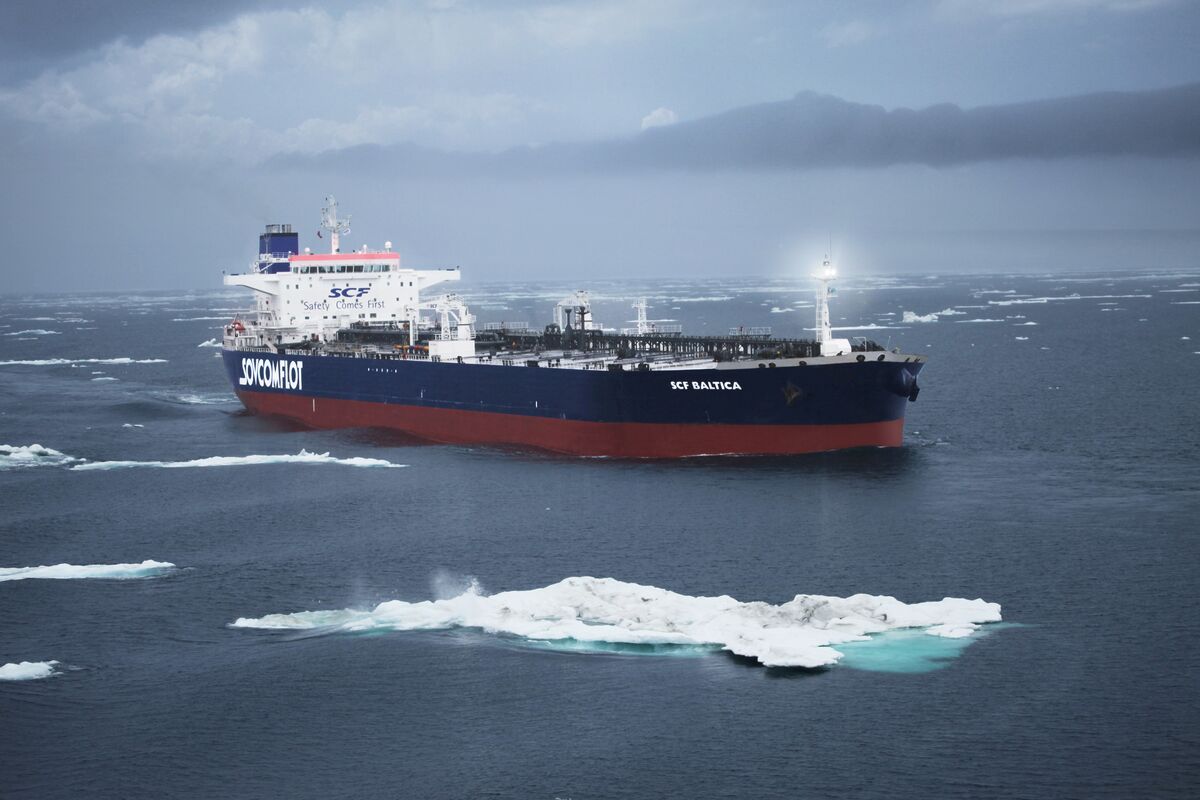
There is also a strategic narrative at play. Energy has long been a tool of geopolitical influence, and framing the market as one that is “lining up” reinforces a broader message: that Russia remains central, that sanctions have limits, and that global demand ultimately overrides political alignment.
What this moment reveals is a more fundamental truth. Energy markets do not operate on ideology—they operate on necessity. Countries may aim for independence or transition, but when supply tightens, decisions become immediate and pragmatic. Demand does not disappear. It reroutes.
The global energy system is not yet post-fossil fuel. It is transitional, uneven and reactive. Russia’s role within it is changing—less dominant in Europe, more embedded in Asia, but still critical in moments of disruption. And in that reality, energy power is no longer defined by where demand comes from, but by who can meet it when it matters most.