



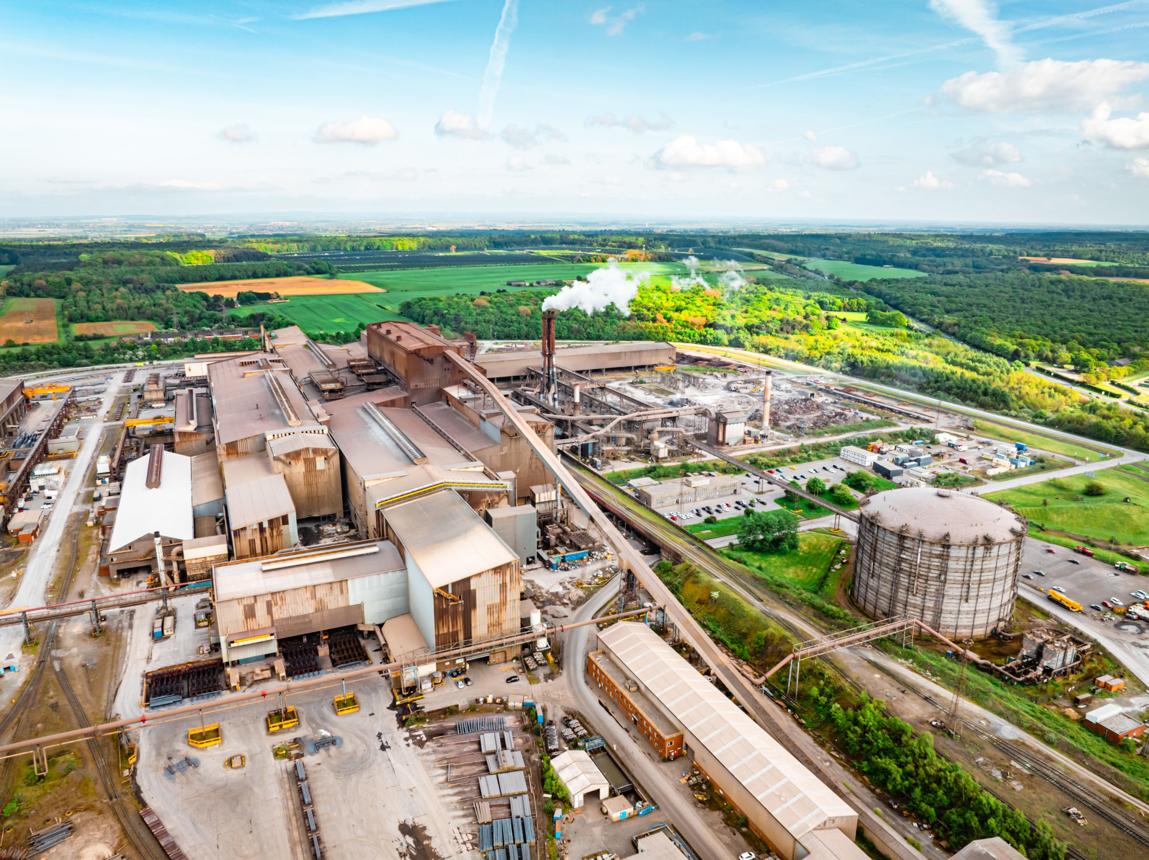
Britain’s manufacturing sector is facing mounting pressure as soaring energy costs continue to undermine competitiveness, forcing some businesses to delay investment, reduce staffing levels and, increasingly, consider moving production overseas.
For decades, manufacturing has remained a critical pillar of the UK economy, supporting high-skilled jobs, innovation and exports. However, industry leaders are warning that without meaningful action to address industrial energy costs, the country risks accelerating a trend of deindustrialisation that could have long-term consequences for economic growth and industrial resilience.
Recent surveys suggest that a significant proportion of manufacturers have already relocated part of their operations abroad or are actively considering doing so, citing energy costs that are substantially higher than those faced by competitors in Europe and the United States.
“For many manufacturers, the challenge is no longer simply staying competitive—it is remaining viable.”
The Cost Challenge Facing Industry

According to industry data, British manufacturers are paying some of the highest industrial electricity prices among advanced economies. Reports indicate that average industrial electricity costs are around 27 pence per kilowatt-hour, compared with approximately 16 pence in many comparable developed nations. Industrial electricity prices in the UK are reported to be more than 90% higher than the median among International Energy Agency member countries.
The impact is being felt across a wide range of sectors, particularly energy-intensive industries such as steel, chemicals, glass, cement, refining and paper production. These businesses rely heavily on affordable and predictable energy supplies to remain competitive in global markets.
The consequences are becoming increasingly visible. Industry surveys show that many firms have postponed investment plans, reduced hiring or implemented cost-cutting measures to offset rising energy expenses.
Investment Decisions Moving Elsewhere
One of the greatest concerns for industry leaders is the growing number of companies exploring opportunities beyond the UK.
Manufacturers making long-term investment decisions often compare energy costs across multiple jurisdictions. When rival locations can offer significantly lower operating costs, the incentive to invest overseas becomes increasingly difficult to ignore.
Research from industry groups suggests that approximately one quarter of manufacturers have either moved some production overseas or are actively considering doing so. Europe and Asia are frequently cited as alternative destinations where energy costs can be considerably lower.
“The battle for manufacturing investment is increasingly becoming a battle over energy affordability.”
Why Britain’s Energy Costs Are So High

Several factors contribute to Britain’s energy pricing challenges.
The UK remains more reliant on natural gas for electricity generation than some of its European neighbours, making it particularly vulnerable to volatility in global gas markets. Recent geopolitical tensions and disruptions to international energy supplies have further amplified those pressures.
Industry representatives have also highlighted the role of policy costs, network charges and taxation mechanisms that contribute to higher industrial electricity bills compared with many competing economies. Some business groups are calling for reforms similar to those implemented in countries such as France and Germany, where a greater proportion of energy transition costs are funded through general taxation rather than industrial energy bills.
The debate has become increasingly urgent as energy prices continue to influence investment decisions throughout the manufacturing sector.
Video: Why Energy Costs Matter for Manufacturing
Manufacturers around the world are facing growing pressure from energy costs, supply chain disruptions and global competition. Understanding how energy influences industrial competitiveness is becoming essential for policymakers and business leaders alike.
The Wider Economic Impact
The implications extend far beyond individual factories.
Manufacturing supports extensive supply chains, research and development activity, regional economies and export performance. When production moves abroad, the effects can ripple through local communities, affecting employment, investment and long-term economic resilience.
Industry organisations have warned that prolonged energy cost pressures could reduce Britain’s attractiveness as a destination for industrial investment at a time when governments worldwide are competing to attract advanced manufacturing, clean technology and strategic industries.
At the same time, policymakers face the challenge of balancing industrial competitiveness with climate objectives and energy transition goals.
Searching for Solutions
Many experts argue that the long-term solution lies in strengthening domestic energy resilience.
This includes expanding renewable generation, increasing energy storage capacity, modernising electricity infrastructure and reducing exposure to volatile global gas markets. Others advocate for greater support for domestic energy production alongside reforms to industrial electricity pricing mechanisms.
While opinions differ on the precise approach, there is broad agreement that affordable and reliable energy will be essential if Britain hopes to maintain a competitive industrial base in the decades ahead.
Looking Ahead
Britain’s manufacturing sector stands at a critical crossroads. Rising energy costs are not simply affecting profitability; they are influencing where companies invest, where factories operate and where future jobs may be created.
The latest warnings from manufacturers highlight the growing urgency of the issue. If energy affordability remains unaddressed, more businesses may look overseas for opportunities, potentially accelerating a shift that industry leaders fear could reshape Britain’s industrial landscape.
For policymakers, businesses and investors alike, the challenge is clear: securing affordable energy is no longer just an energy policy issue—it has become a central question about the future of British manufacturing itself.