



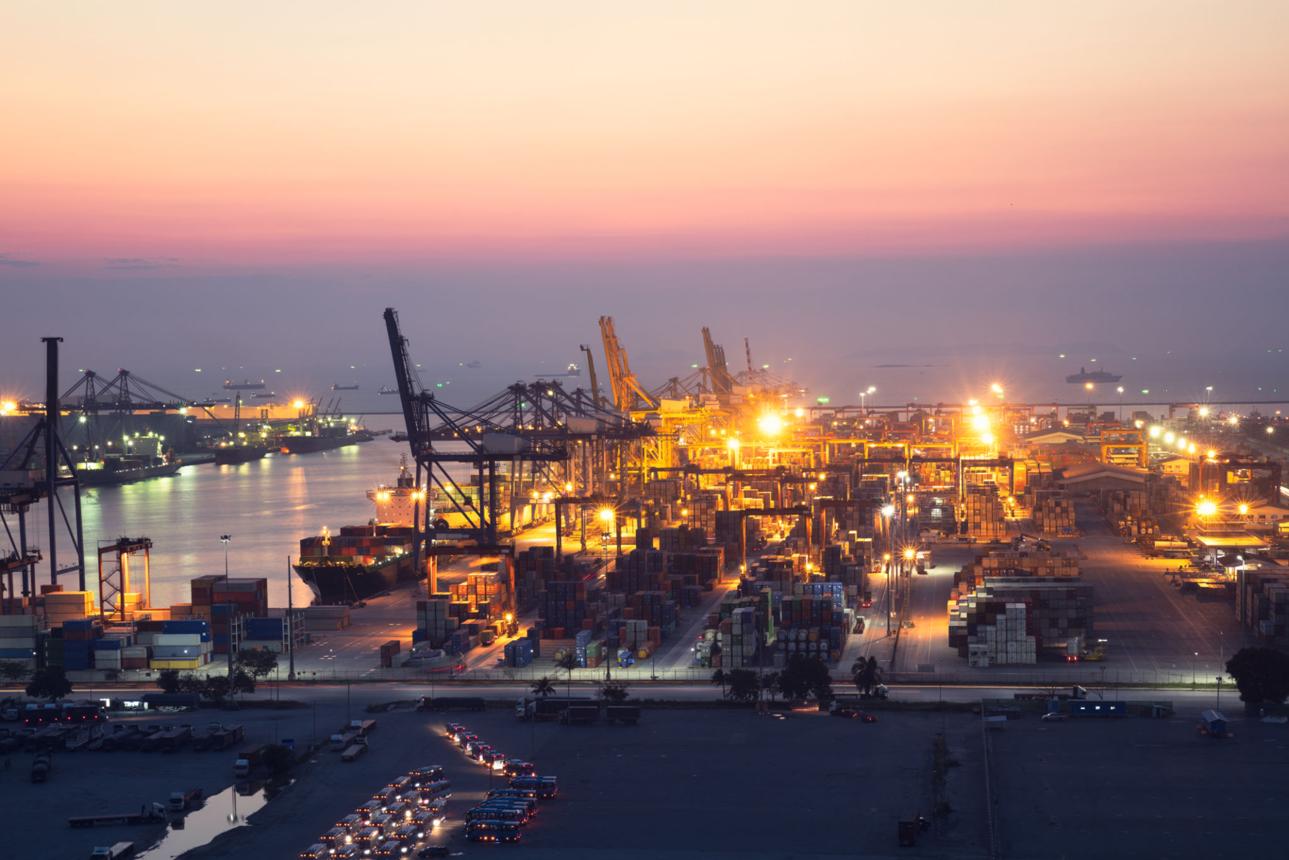
There is a growing recognition across global industries that supply chains are no longer a background function. They are now a defining factor in operational resilience, cost control and long-term competitiveness. The latest move by the American Bakers Association reflects that shift, bringing together key stakeholders to address an increasingly complex and interconnected landscape.
The association has launched a new Global Supply Chain & Logistics Professionals Group, consolidating previously separate commodity and logistics groups into a single, unified forum. The intention is clear: to move away from fragmented oversight and towards a more coordinated, end-to-end approach that reflects how modern supply chains actually operate.
From Fragmentation to Coordination
At the core of this initiative is a structural change. Supply chains in sectors such as food production have historically been managed in silos, with procurement, transportation and distribution often treated as distinct functions.
The new group is designed to break down those divisions. By bringing together leaders across commodities, procurement and logistics, it aims to improve coordination from raw material sourcing through to final product delivery.
This reflects a broader reality. Supply chains are no longer linear systems; they are interconnected networks where disruption in one area can quickly cascade across the entire operation.
Responding to a More Volatile Environment

6
The timing of this move is not incidental. Global supply chains continue to face sustained pressure from multiple directions, including market volatility, geopolitical uncertainty and shifting trade dynamics.
For the baking industry, these challenges are particularly acute. Ingredient sourcing is tied closely to agricultural markets, which are themselves influenced by climate conditions, global demand and pricing fluctuations. At the same time, transportation networks remain under strain, with cost and availability continuing to fluctuate.
The newly formed group is expected to focus on these issues directly, with priorities including commodity transportation, supply chain alignment, sustainability and technology innovation.
Building Resilience Across the Entire Chain
One of the more important aspects of the initiative is its emphasis on resilience rather than efficiency alone.
Historically, supply chains have been optimised for cost and speed. Increasingly, however, the focus is shifting towards flexibility, continuity and risk management. The ABA’s approach reflects this evolution, aiming to strengthen the network by improving coordination and ensuring consistent delivery in a rapidly changing environment.
This includes not just operational improvements, but also a more proactive approach to identifying risks and developing solutions before disruptions occur.
A Unified Voice in Policy and Regulation
Beyond operations, the group is also positioned to play a strategic role in shaping policy. By consolidating expertise across the supply chain, the ABA aims to strengthen its advocacy efforts with lawmakers and federal agencies.
This is a critical dimension. Many of the challenges facing supply chains, from transportation infrastructure to trade regulation, are influenced as much by policy as by market forces. A more unified industry voice increases the likelihood of coordinated, effective responses.
Reflecting a Broader Industry Shift
What this initiative ultimately represents is a wider change in how industries are approaching supply chain management.
The traditional model, where logistics is treated as a downstream function, is being replaced by a more integrated perspective, where supply chain strategy sits at the centre of business operations.
For the baking industry, this shift is particularly significant. Ensuring consistent access to ingredients and reliable distribution of finished goods is not just a commercial priority, it is fundamental to food security and consumer trust.
From Operational Function to Strategic Priority
The formation of the Global Supply Chain & Logistics Professionals Group signals a clear change in mindset. Supply chains are no longer simply about moving goods from one place to another. They are about coordination, resilience and long-term sustainability.
As global pressures continue to reshape how goods are sourced, produced and delivered, initiatives like this are likely to become increasingly common across industries.
Because in today’s environment, the strength of a business is no longer defined solely by what it produces, but by how effectively it can move it.