



Europe’s energy transition is no longer just an environmental challenge. It has become an economic, industrial and geopolitical priority.
Over the past several years, energy security has moved to the forefront of policymaking across the continent. Geopolitical tensions, supply disruptions and volatile energy prices have forced governments to reassess how energy is produced, distributed and consumed. At the same time, Europe remains committed to some of the world’s most ambitious climate targets, creating a delicate balancing act between maintaining reliable energy supplies today and building a lower-carbon future for tomorrow.
Those competing priorities were central themes at the recent Europe Energy & Climate Forum, where policymakers, industry leaders and energy experts gathered to discuss the next phase of Europe’s energy transformation.

The conversation reflects a wider reality facing governments across the continent. Europe’s energy landscape has changed dramatically in recent years. The region has accelerated investment in renewable energy, expanded LNG import capacity and increased efforts to diversify supply chains. These changes have helped reduce dependence on traditional energy sources while strengthening resilience against external shocks.
However, the transition remains complex.
Renewable energy deployment continues at pace, with solar and wind capacity reaching record levels across multiple European markets. Yet energy demand continues to grow, electrification is accelerating and industrial sectors require reliable baseload power to remain competitive. Policymakers are therefore increasingly focused on ensuring that decarbonisation efforts do not undermine affordability or energy security.
One of the most significant themes emerging from the forum was the role of infrastructure.
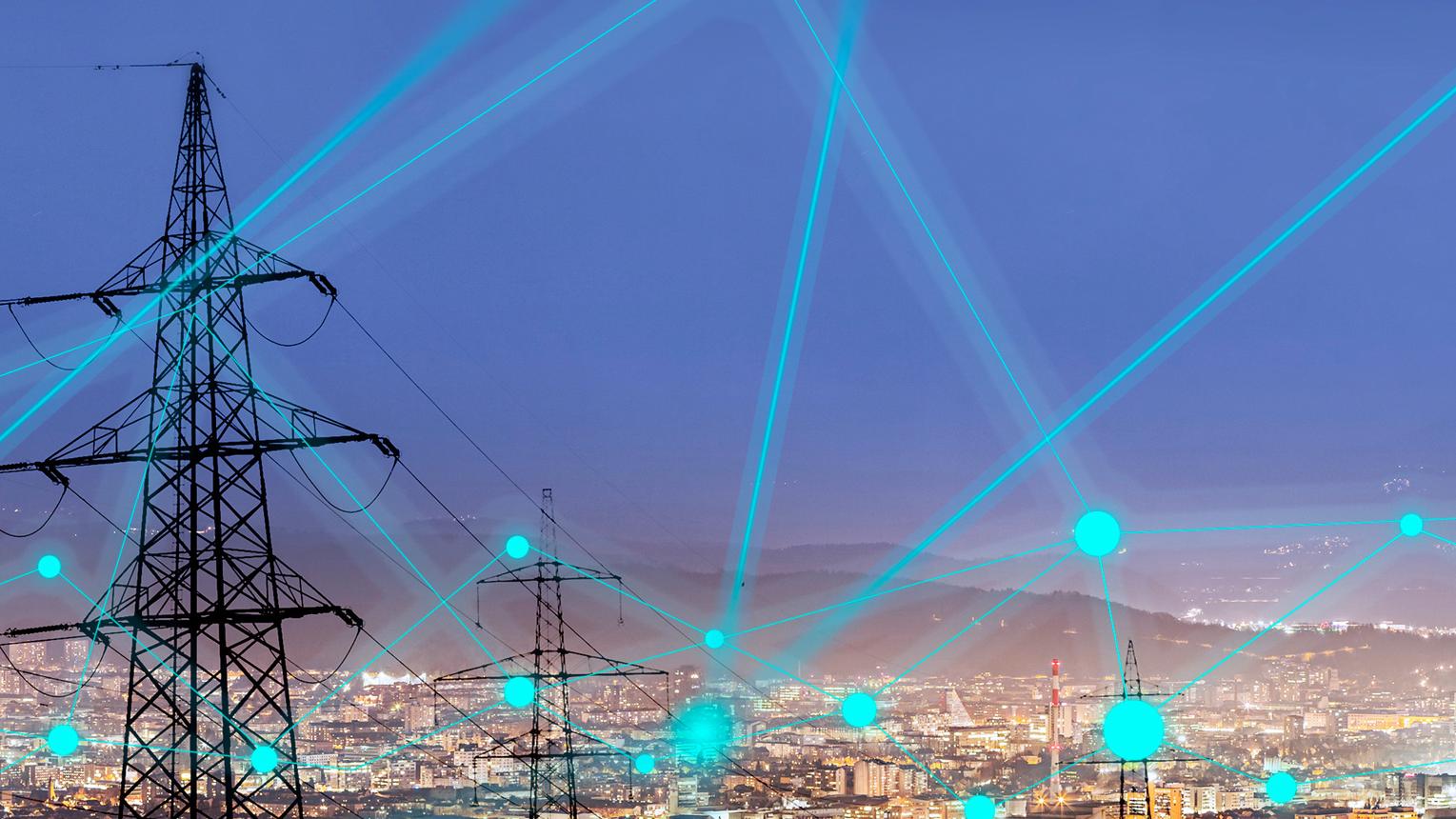
The energy transition is not simply about generating cleaner electricity. It also requires modern transmission networks, expanded storage capacity, digital grid technologies and cross-border cooperation. Europe’s future energy system will depend on the ability to move power efficiently across national boundaries and integrate growing volumes of renewable generation into existing networks.
This challenge becomes particularly important as solar and wind capacity continue expanding.
Unlike traditional fossil fuel generation, renewable energy output can fluctuate depending on weather conditions. To manage those variations, countries are increasingly investing in battery storage, smart grids and interconnection projects designed to balance supply and demand across wider geographic regions.

The industrial dimension of the energy transition also featured prominently.
Europe is seeking to strengthen its position in emerging clean energy sectors while maintaining industrial competitiveness. Industries ranging from steel and chemicals to manufacturing and transportation face increasing pressure to decarbonise while remaining economically viable.
This has led to growing discussions around hydrogen, carbon capture technologies and advanced energy storage solutions.
Many industry leaders argue that achieving climate objectives will require a diverse energy mix rather than reliance on a single technology. Wind, solar, nuclear power, hydrogen, bioenergy and energy storage are all expected to play important roles in supporting Europe’s long-term energy ambitions.
Energy affordability remains another key concern.
While significant progress has been made in stabilising energy markets following recent disruptions, businesses and households continue to feel the impact of higher energy costs. Policymakers are therefore increasingly focused on ensuring that clean energy investments deliver tangible economic benefits alongside environmental gains.
The challenge is particularly important for heavy industry.
Many European manufacturers compete globally and face pressure from regions with lower energy costs. Ensuring access to reliable, affordable energy is therefore viewed as essential not only for economic growth but also for preserving industrial capacity and employment.

Technology is expected to play a major role in addressing these challenges.
Artificial intelligence, advanced analytics and digital energy management systems are helping operators optimise energy networks, improve forecasting and enhance grid efficiency. Smart technologies are increasingly being deployed across generation, transmission and consumption systems, creating opportunities for greater flexibility and resilience.
The emergence of AI-driven energy management is particularly significant as electricity demand increases due to data centres, electrified transport and industrial electrification.
At the same time, energy security remains firmly on the agenda.
Recent geopolitical developments have reinforced the importance of diversified supply chains and domestic energy production. Governments are increasingly evaluating how renewable energy, nuclear power, LNG infrastructure and emerging technologies can work together to reduce vulnerability to external disruptions.
The forum highlighted a growing consensus that energy security and climate action should not be viewed as competing objectives.
Instead, many policymakers now see them as mutually reinforcing. A more diversified, decentralised and technologically advanced energy system can improve both sustainability and resilience simultaneously.
The Future of Europe’s Energy Transition
What emerged from the discussions was a recognition that Europe’s energy transition is entering a new phase.
The initial focus on expanding renewable generation is evolving into a broader conversation about infrastructure, industrial competitiveness, energy security and system resilience. Success will depend not only on generating cleaner energy but also on building the networks, technologies and policies capable of supporting an increasingly electrified economy.
Europe has already made significant progress, but the scale of the challenge remains substantial.
As governments, businesses and investors continue shaping the continent’s energy future, the most important task may be ensuring that security, affordability and sustainability advance together. The countries that achieve that balance will be best positioned to lead the next chapter of the global energy transition.