




US investment firm Apollo Global Management has committed approximately $6.5 billion to acquire a 50 % stake in Ørsted’s massive offshore wind project, known as Hornsea 3, located off the coast of England. Along with the equity investment, Apollo will also take on half of the remaining construction costs for the project.
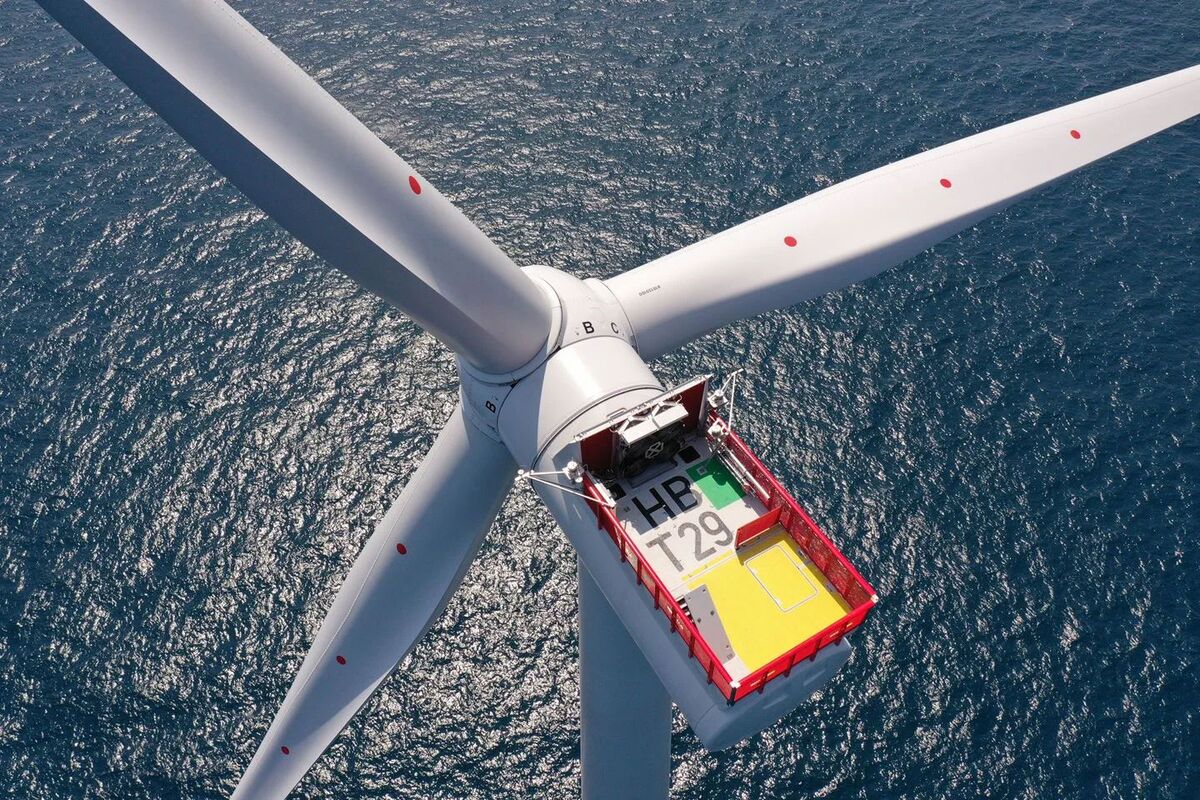
Key Facts
- Hornsea 3 is projected to have a capacity of around 2.9 gigawatts, making it one of the largest offshore wind farms in Europe when completed.
- The project is expected to be commissioned by the end of 2027.
- By acquiring a 50 % share, Apollo aligns its capital with one of the largest renewable-energy undertakings in the UK, signaling strong confidence in offshore wind as a long-term asset class.
- For Ørsted, the deal helps bolster its balance sheet and frees up capital, which is particularly important given recent cost pressures, cancelled projects and broader sector headwinds.
Why This Really Matters
- Scale and timing: A $6.5 billion investment in a single offshore wind project is among the largest renewable-energy deals in Europe in recent years. It reflects how institutional capital is moving into clean-energy infrastructure at scale.
- Strategic pivot: Apollo’s bet marks a material shift for the company towards long-duration, infrastructure-style renewable assets — rather than shorter-term, higher-turnover investments.
- Sector signal: The transaction highlights how major developers (like Ørsted) are increasingly reliant on partnerships and equity sales to finance large-scale projects and manage risk in a cost-inflation and supply-chain-squeezed environment.
- UK energy transition: Hornsea 3 itself is central to the UK’s 2030 decarbonisation goals. Delivering nearly 3 GW of clean power will make a tangible contribution to the country’s renewable capacity expansion.
Challenges and Considerations
- Construction and execution risk: Even with financing secured, the success of the project depends on meeting schedule, cost and installation milestones. Offshore wind of this size is inherently complex.
- Market and policy risk: Renewables remain exposed to regulatory changes, grid-access constraints and evolving subsidy regimes. Developers and investors must navigate a shifting terrain.
- Valuation and returns: While infrastructure renewable assets are attractive, their returns typically unfold over many years — meaning patient capital and operational excellence are critical.
- Funding structure: The deal involves not just equity but also the agreement to cover construction cost share. How that cost evolves, and the project’s final cost base, will impact return profiles.
What to Watch
- The official closing of the deal and how the acquisition is structured (timing, funding tranches, terms) — this will reveal how Apollo manages risk and scaling.
- Ørsted’s use of proceeds and how both companies align on governance, operations and long-term management of Hornsea 3.
- Progress of the project’s construction milestones (e.g., foundation installation, turbine delivery, commissioning) and any signals of delay or cost increase.
- The wider ripple effect: whether other capital-rich investors follow suit for similar large offshore wind assets, and how it influences pricing, structure and risk premiums.
Final Thought
Apollo’s $6.5 billion investment into Hornsea 3 stands out as a landmark moment in renewable-energy finance. It underscores the maturation of offshore wind as a core infrastructure class and highlights the strategic re-orientation of both developers and investors. Execution now becomes the test – if the project delivers as planned, it could re-write the template for how large-scale renewable infrastructure is funded and operated in Europe.