



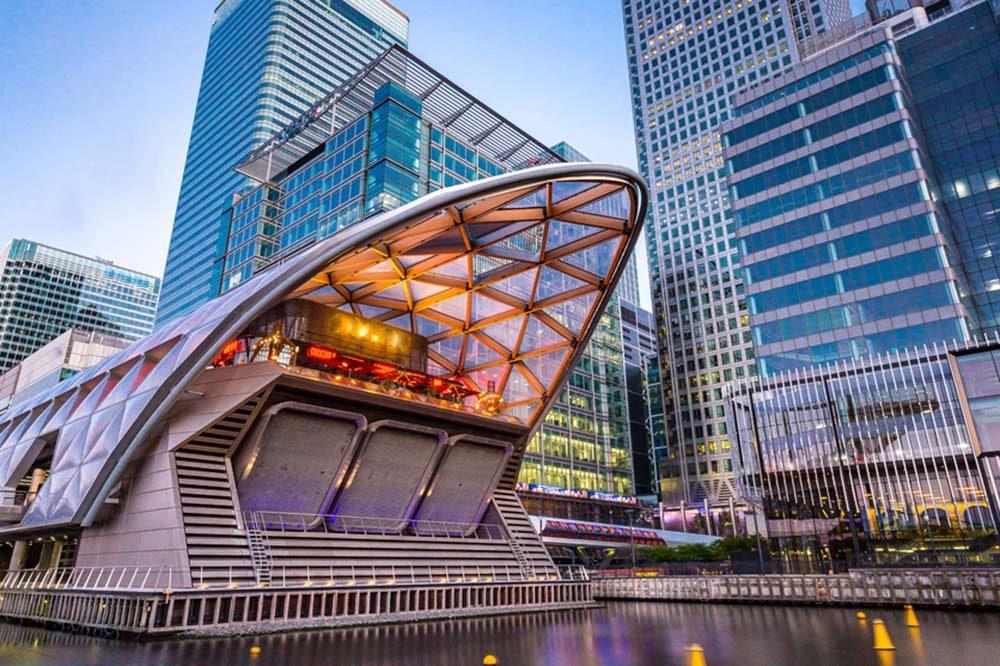
Canary Wharf has long been defined by glass, steel and global finance, but over the past decade it has quietly evolved into something far more layered. What was once a business district built for efficiency has become a destination shaped by experience, where dining now plays a central role in how the area is perceived and used. Increasingly, it is not just where deals are made, but where they are hosted, celebrated and extended late into the evening.
This shift has been driven by a deliberate expansion of the estate’s hospitality offering, transforming Canary Wharf into a place where premium restaurants sit alongside corporate headquarters, creating a seamless overlap between business and lifestyle. As footfall has grown and the area has diversified, restaurants have become a defining part of its identity, reflecting a broader trend towards mixed-use urban environments designed for both work and leisure.
A Dining Scene Built for Modern London
What distinguishes Canary Wharf’s dining landscape is not simply quality, but context. The restaurants here are designed to serve a uniquely demanding audience: professionals, executives and international visitors who expect efficiency without sacrificing experience.
This has led to a particular style of dining. Spaces are often architecturally striking yet functional, menus are curated but accessible, and service is calibrated for both quick business lunches and extended evening engagements. The result is a collection of venues that balance precision with atmosphere, offering environments that feel as suitable for negotiation as they do for celebration.
At the same time, the area’s continued development has brought a steady stream of new openings, from globally recognised brands to concept-driven independents, reinforcing its position as one of London’s most dynamic dining destinations.
From Corporate Hub to Culinary Destination

The transformation of Canary Wharf’s dining scene mirrors the wider evolution of the district itself. Once primarily populated by weekday office workers, the area now attracts a broader audience, including residents, tourists and weekend visitors.
This diversification has changed the rhythm of the estate. Restaurants are no longer built solely around the lunch rush or post-work drinks, but around a full-day, seven-day experience. Brunch, late-night dining and destination restaurants have become increasingly prominent, extending activity well beyond traditional working hours.
The result is a more balanced ecosystem, where dining plays a central role in shaping how people experience the area, not just during the workday, but as part of London’s wider social and cultural fabric.
The Rise of Elevated Experiences
What sits at the top end of Canary Wharf’s dining offering is not simply luxury, but intentionality. The most sought-after venues are those that combine multiple elements seamlessly: location, design, cuisine and service.
Waterfront settings overlooking the Thames, rooftop terraces with panoramic views and interiors that blend contemporary design with subtle opulence all contribute to a sense of occasion. These are spaces built not just to serve food, but to create an experience that aligns with the expectations of a high-performing, globally connected audience.
Menus reflect this as well. There is a strong emphasis on premium ingredients, global influences and presentation, with many restaurants leaning into Mediterranean, Asian fusion and modern European styles that resonate with an international clientele.
A Reflection of a Changing City

Canary Wharf’s emergence as a dining destination is part of a broader shift in how London itself is evolving. Districts that were once defined by a single function are becoming multi-dimensional, blending business, residential and leisure into a single, cohesive environment.
With a working population exceeding 120,000 and a growing residential base, the demand for high-quality dining has become both inevitable and essential.
Restaurants are no longer an addition to the area. They are infrastructure, shaping how people interact with the space and how the space sustains itself beyond traditional office hours.
Dining as a Strategic Asset
What ultimately sets Canary Wharf apart is how intentionally its dining ecosystem has been developed. Restaurants here are not isolated ventures; they are part of a broader strategy to position the district as a complete destination, capable of competing with London’s more traditionally cultural or historic neighbourhoods.
This has implications beyond hospitality. High-quality dining enhances the attractiveness of the area for businesses, supports talent retention and contributes to a more vibrant, resilient urban environment. It transforms Canary Wharf from a place people have to be into a place they choose to be.
More Than a Meal
Canary Wharf’s finest tables represent more than culinary excellence. They reflect a shift in how the district defines itself and how it is experienced by those who move through it.
In a part of London once synonymous with routine and structure, dining has become a form of expression. A way of extending the day, elevating the environment and redefining the purpose of the place itself.
And in that sense, the rise of elevated dining in Canary Wharf is not just about food. It is about identity.