



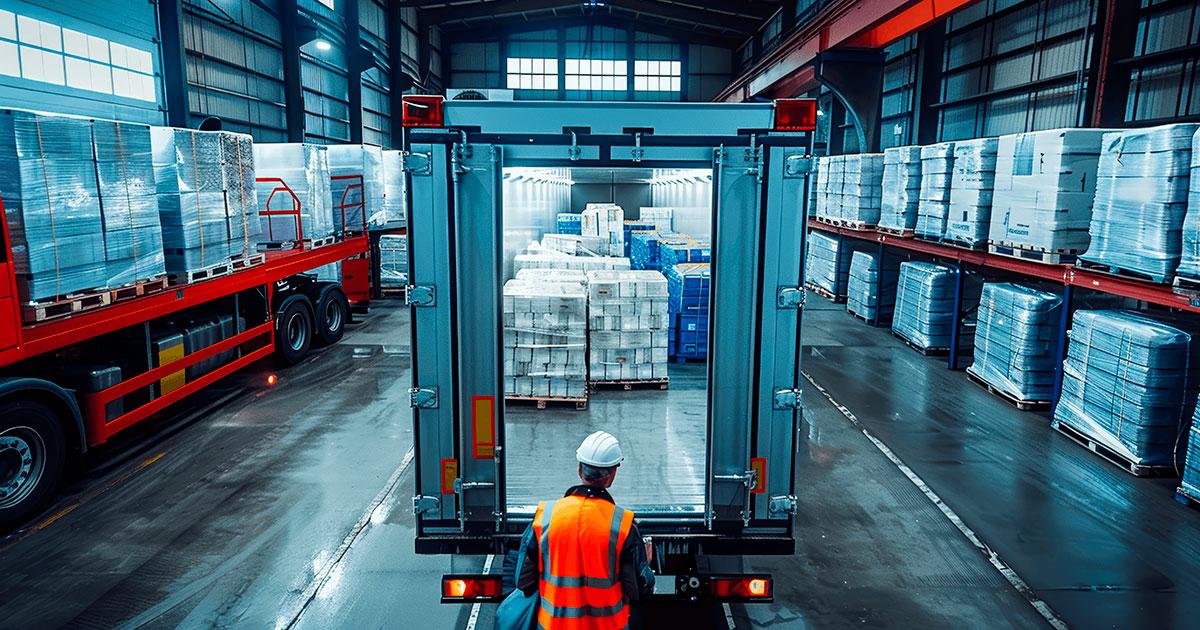
Cold chain logistics has become one of the most critical, and fragile, components of the global supply network. Responsible for transporting temperature-sensitive goods such as pharmaceuticals, vaccines, and perishable foods, it operates under a simple but unforgiving rule: any break in the chain can result in immediate loss of product integrity.
Yet the pressures on this system are intensifying. From climate volatility and geopolitical disruption to rising demand for fresh and fast delivery, the cold chain is being pushed to operate with greater precision under increasingly unpredictable conditions. Procurement leaders are now responding with a clear shift in strategy, moving from cost efficiency towards long-term resilience as a core priority.
From Cost Control to Strategic Investment
Traditionally, procurement’s role in logistics has centred on cost control, securing the most efficient routes, suppliers, and storage solutions. That model is now being redefined. Increasingly, procurement is being positioned as a strategic function, responsible for ensuring continuity, visibility, and adaptability across the entire supply chain.
In cold chain logistics, this shift is particularly pronounced. The risks are higher, the margins for error narrower, and the consequences of disruption more immediate. As a result, procurement teams are investing in technologies such as real-time monitoring systems, predictive analytics, and AI-driven forecasting to anticipate disruptions before they occur. These tools are enabling a move from reactive response to proactive management, where potential failures can be identified and mitigated in advance.
The Vulnerabilities Beneath the Surface

Despite technological advances, the cold chain remains inherently vulnerable. Temperature deviations, equipment failures, transportation delays, and regulatory compliance issues all pose significant risks, with even minor disruptions capable of triggering product spoilage and financial loss.
Unlike other supply chains, where delays may be absorbed or rerouted, cold chain logistics operates within strict time and temperature constraints. A delayed shipment is not simply late. It may be unusable. This creates a level of exposure that demands a fundamentally different approach to risk management, one that prioritises redundancy, flexibility, and constant visibility.
At the same time, energy intensity adds another layer of complexity. Refrigeration systems are costly to operate and maintain, and as sustainability targets tighten, companies are being forced to balance resilience with environmental performance.
Building Resilience Through Design

The response from procurement is increasingly structural rather than tactical. Organisations are investing in diversified supplier networks, regionalised distribution hubs, and redundant storage capacity to ensure continuity in the face of disruption. This concept of “optionality”, having multiple pathways available within the supply chain, is becoming central to resilience strategies.
Technology plays a critical role in enabling this design. IoT sensors, real-time tracking systems, and automated alerts provide continuous visibility across the chain, while AI-driven models support demand forecasting and scenario planning. Together, these capabilities create a more responsive, adaptive system, capable of adjusting in near real time to shifting conditions.
Sustainability is also becoming embedded within this transformation. From energy-efficient refrigeration to electric transport fleets and localised storage networks, the next generation of cold chain infrastructure is being designed not only for resilience, but for long-term environmental viability.
A Defining Shift for Procurement
What emerges is a broader redefinition of procurement itself. No longer confined to sourcing and cost negotiation, it is becoming a central orchestrator of supply chain strategy, balancing efficiency with resilience, and short-term performance with long-term stability.
Cold chain logistics represents the most acute expression of this shift. It is a system where failure is immediate, visibility is essential, and resilience is non-negotiable. As disruptions become more frequent and more complex, procurement’s role will only continue to expand, shaping not just how goods are sourced, but how they are protected, transported, and delivered.
In this context, investment in cold chain resilience is not simply a response to risk. It is a recognition that in modern supply chains, reliability is no longer a by-product of efficiency. It is a competitive advantage in its own right.