



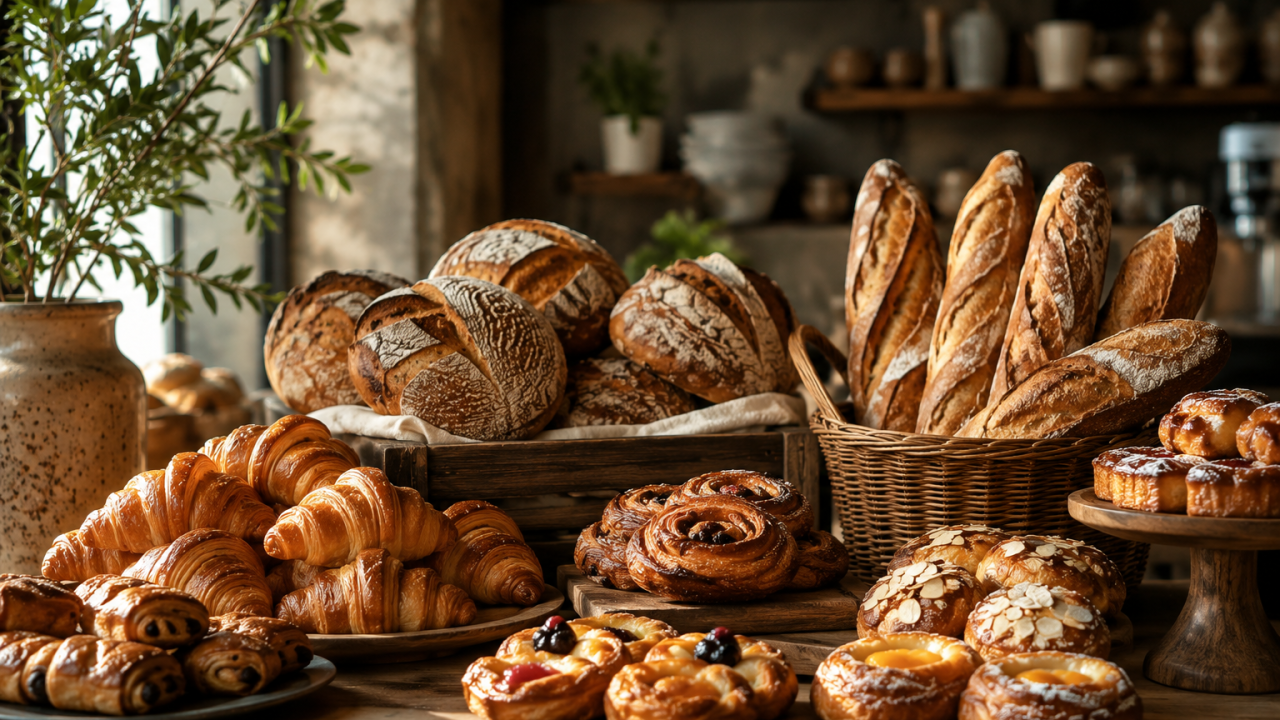
Across the UK, a new generation of independent bakeries is turning sourdough, viennoiserie, cakes and seasonal pastries into destination experiences, drawing visitors far beyond their local neighbourhoods.
Britain’s independent bakery scene has become one of the country’s most exciting food movements, shaped by craftsmanship, local ingredients and the growing appeal of small everyday luxuries.
Britain’s bakery culture is enjoying a remarkable renaissance. Once defined largely by supermarket loaves and familiar high-street chains, the country’s relationship with bread and pastry has become more thoughtful, creative and experience-led. Across cities, coastal towns and historic market streets, independent bakeries are now becoming destinations in their own right.
From Sheffield to Solihull, north London to Cornwall, the modern British bakery is no longer simply somewhere to pick up a loaf. It is a place to queue, gather, discover, photograph, taste and return to. Behind the counters are bakers working with stoneground flour, cultured butter, seasonal fruit, slow fermentation, heritage grains and menus that change with the rhythm of the day.
Highlight: The rise of Britain’s destination bakeries reflects a wider shift in hospitality, where people are increasingly travelling for craftsmanship, atmosphere and memorable small pleasures.
Baker’s Yard, Sheffield
Set within Sheffield’s thriving artisan food scene, Baker’s Yard captures the energy of a city that has become increasingly confident in its independent hospitality offering. Located in Kelham Island, an area known for its industrial heritage, breweries and creative food culture, the bakery brings together handmade bakes, speciality coffee and relaxed daytime dining.
Baker’s Yard reflects the modern micro-bakery model, combining coffee, brunch, provisions and handmade bakes in one relaxed space.
Founded by Sam Lindsay and Becca Crofts, Baker’s Yard has built its identity around flavour, freshness and an easy neighbourhood feel. Its offering includes pastries, brunch dishes, quiches, flatbreads and seasonal plates, all made with care and served in a contemporary setting that feels both polished and welcoming.
One of its standout signatures is a maple-led pastry inspired by Canadian flavours, bringing a sense of personality to a menu rooted in classic baking technique. For Sheffield, Baker’s Yard is more than another bakery. It is a symbol of how the city’s independent food scene has grown into something worth travelling for.
Fink’s, North London
Fink’s brings a playful, design-led attitude to London’s bakery scene. With several sites across north London, the brand has become known for inventive cakes, creative sandwiches, viennoiserie and a strong sense of personality.
Its appeal lies in the balance between indulgence and quality. Fink’s is fun, colourful and confident, but its success is built on carefully sourced ingredients and a genuine commitment to craft. From seasonal bakes to café dining, the brand has created a style that feels distinctly modern while still rooted in proper bakery fundamentals.
Fink’s has become a north London favourite for inventive cakes, pastries, sandwiches and relaxed café dining.
For customers, Fink’s is the kind of place that works for both a quick morning pastry and a longer weekend visit. It is part bakery, part neighbourhood café, part deli-style stop, and part lifestyle brand. That versatility is exactly why independent bakeries are thriving, they offer more than food, they offer a feeling.
What to watch: The strongest bakeries are no longer just selling excellent bread and pastries. They are building recognisable identities that customers want to be part of.
Bakery at Hampton Manor, Solihull
Few bakeries feel quite as destination-led as the Bakery at Hampton Manor. Set within the grounds of a beautiful estate near Solihull, it brings together the appeal of a countryside escape with the seriousness of a bakery committed to traditional processes, stoneground grains and sustainable sourcing.
The bakery specialises in slow-fermented bread, sourdough, pastries and sweet and savoury bakes. Its setting adds to the experience, with visitors often pairing fresh pastries and coffee with a walk through the surrounding gardens.
At Hampton Manor, the bakery experience is shaped not only by the food, but by the estate setting and sense of occasion.
The menu changes regularly, giving repeat visitors a reason to return. Cinnamon buns, fruit-topped pastries, sourdough and seasonal specials all form part of the bakery’s appeal, but the real draw is the sense of care behind everything. This is not convenience baking. It is baking as part of a wider hospitality experience.
For the Midlands, Hampton Manor’s bakery shows how bread and pastry can become a reason to travel, not just something to pick up on the way somewhere else.
Halstead Bakery, Tunbridge Wells
Halstead Bakery has grown from a small operation into one of Tunbridge Wells’ most talked-about bakery destinations. Its journey reflects one of the most appealing stories in modern food, the small creative business that begins quietly, builds local loyalty, and eventually becomes a reason for people to cross town, or even travel further.
The bakery focuses on handmade bread, pastries and seasonal ingredients, with a style that feels warm, refined and personal. Its bright eat-in space, communal feel and carefully considered counter make it ideal for relaxed coffee stops and indulgent weekend treats.
Halstead Bakery has become a Tunbridge Wells favourite through handmade bread, seasonal pastry and a strong neighbourhood identity.
The appeal of Halstead lies in its attention to detail. It is the kind of bakery where the menu feels alive, shaped by the season and by what is best that week. That sense of freshness has become central to Britain’s bakery revival, with customers increasingly seeking food that feels handmade, specific and rooted in place.
Don’t Tell Dad, Queen’s Park
Don’t Tell Dad brings bakery culture into the heart of London’s neighbourhood dining scene. Based on Lonsdale Road in Queen’s Park, it operates as both a bakery and restaurant, blending daytime pastries and coffee with a broader hospitality offer.
Don’t Tell Dad brings together bakery craft, neighbourhood dining and a strong sense of character.
The bakery side focuses on elegant pastries, seasonal savoury bakes and French-inspired technique, while the wider restaurant concept gives the space a more complete all-day identity. It is stylish, relaxed and community-minded, the kind of place designed to become part of people’s routines.
Its strength is that it feels local but not ordinary. With laminated pastries, rotating fruit Danishes, refined savoury options and a constantly evolving menu, Don’t Tell Dad captures the mood of contemporary London hospitality, where neighbourhood restaurants and bakeries are becoming more ambitious without losing warmth.
Visitor angle: The best destination bakeries feel personal. They offer the comfort of a local favourite, but with enough creativity to make the journey feel worthwhile.
Native Grain, Truro
In Cornwall, Native Grain has become a small but compelling example of how independent bakeries can reshape local food culture. Based in Truro, the bakery focuses on handcrafted bread, pastries, sandwiches and viennoiserie, with an emphasis on sustainability, local provenance and carefully sourced flour.
Its appeal is direct and unfussy. Native Grain is not built around spectacle, but around quality. Rustic sourdough, seasonal pastries, buns and sharing-style bakes give the bakery a strong identity within Cornwall’s growing independent food scene.
Native Grain reflects a quieter side of bakery tourism, where people travel for quality, provenance and a strong sense of place.
For visitors to Cornwall, Native Grain offers something beyond the usual coastal food trail. It shows how a small bakery can become part of a city’s identity, giving locals and visitors a reason to seek out Truro for something handmade, seasonal and rooted in craft.
Why Bakery Tourism Is Growing
The rise of destination bakeries says something important about how people now travel and spend. Food is no longer just part of a trip, it can be the reason for the trip. A perfectly made croissant, a carefully fermented loaf or a seasonal Danish can become the anchor for a morning, a weekend or even a detour across the country.
Several factors are driving this shift. Social media has made beautiful bakes highly visible. Consumers are more interested in provenance and quality. Independent cafés have become social spaces as much as food businesses. And in a cost-conscious climate, a well-made pastry or loaf can feel like an affordable luxury.
For bakeries, this creates opportunity, but also pressure. Success often brings queues, sell-outs and rising expectations. The challenge is maintaining quality, staff wellbeing and local authenticity while welcoming growing numbers of visitors.
The Bottom Line
Britain’s destination bakeries are proving that great food experiences do not always need white tablecloths or tasting menus. Sometimes, they begin with a queue outside a small shop, the smell of fresh bread, a coffee in hand and the anticipation of something made with patience and skill.
Baker’s Yard, Fink’s, the Bakery at Hampton Manor, Halstead Bakery, Don’t Tell Dad and Native Grain each show a different side of this movement. Some are rooted in neighbourhood life. Others are set within estates, coastal cities or design-led London streets. What connects them is a belief in craft, quality and the emotional power of food made properly.
As Britain’s bakery culture continues to evolve, these are the places reminding us that bread and pastry can be more than everyday staples. In the right hands, they become destinations.