




New transport data released by Eurostat offers a revealing snapshot of how people and goods move across the European Union, with road safety once again emerging as a critical area of focus.
The figures show that while long-term efforts to improve road safety are delivering results, progress remains uneven — and the human cost of road accidents is still unacceptably high.
Road safety: steady improvement, persistent risk
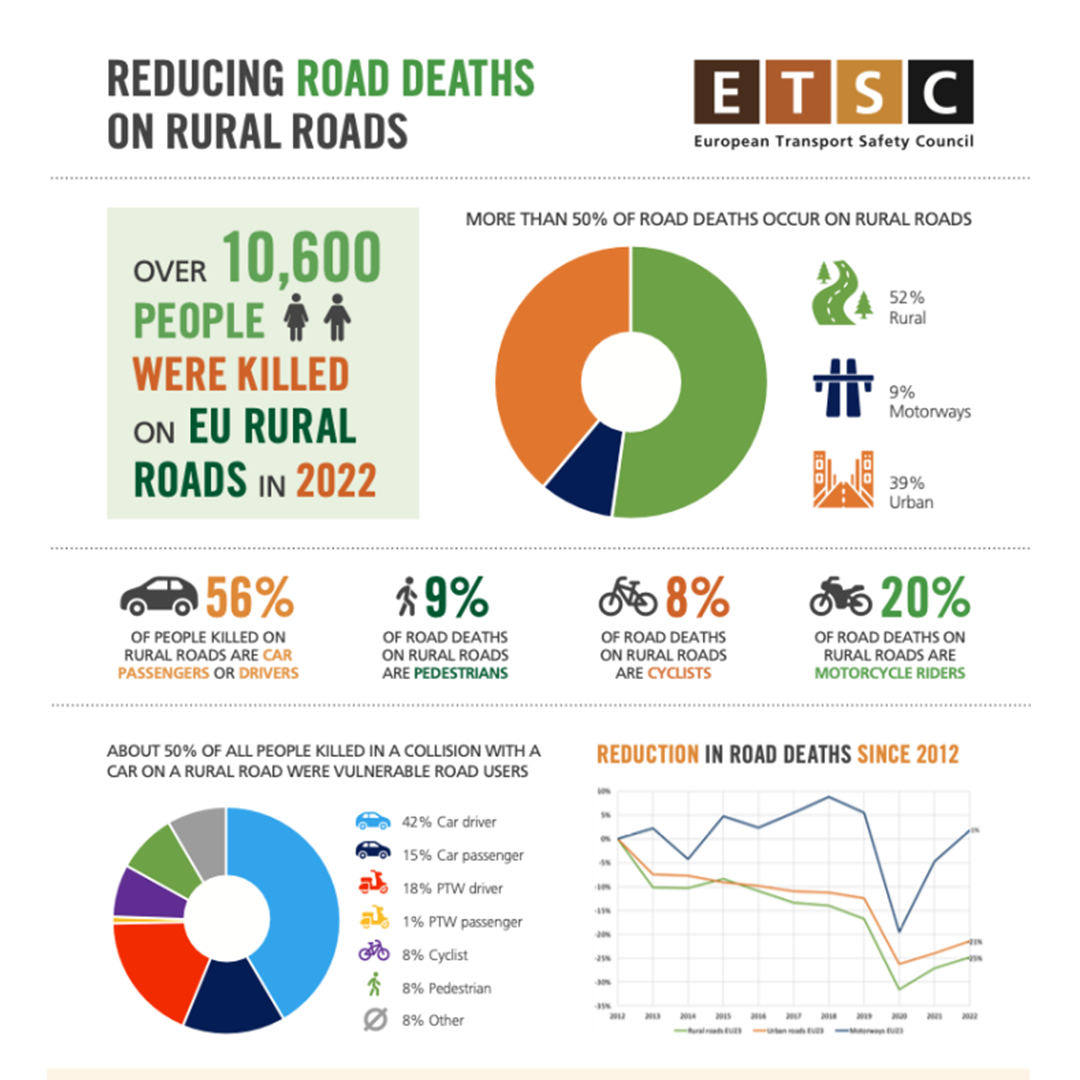
Across the EU, road fatalities have continued a gradual downward trend over the past decade. This reflects improvements in vehicle safety, infrastructure design, enforcement and public awareness.
Despite this progress, tens of thousands of people continue to lose their lives on European roads each year. The data underlines a clear message: while the direction of travel is positive, the pace of improvement must accelerate if long-term safety goals are to be achieved.
Uneven outcomes across Member States

4
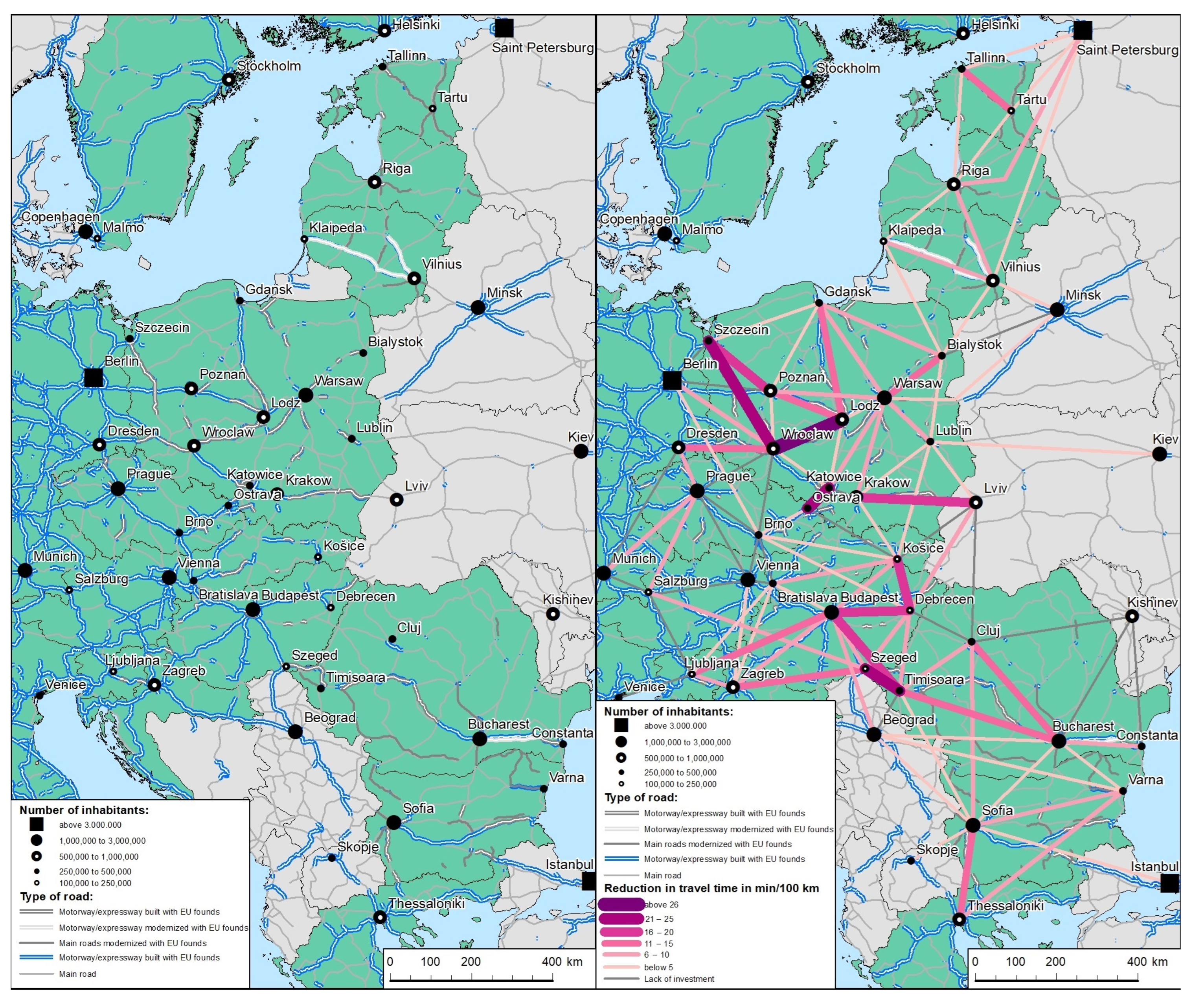
One of the most striking aspects of the latest figures is the variation between countries. Some Member States consistently record lower fatality rates, often supported by modern infrastructure, safer vehicle fleets and strong enforcement regimes.
Elsewhere, higher rates persist — particularly in regions with extensive rural road networks, older vehicles or limited investment in road safety measures. These differences highlight the need for country-specific strategies, rather than a one-size-fits-all approach.
Transport beyond safety
The data release also places road safety within a wider transport context, examining how transport contributes to economic activity, employment and daily life across Europe.
Key themes include:
- The role of transport in household spending
- Employment across transport-related sectors
- Patterns of passenger and freight movement
- Environmental pressures linked to mobility
Together, these indicators help policymakers understand how safety, sustainability and accessibility intersect across Europe’s transport systems.
Meeting future targets

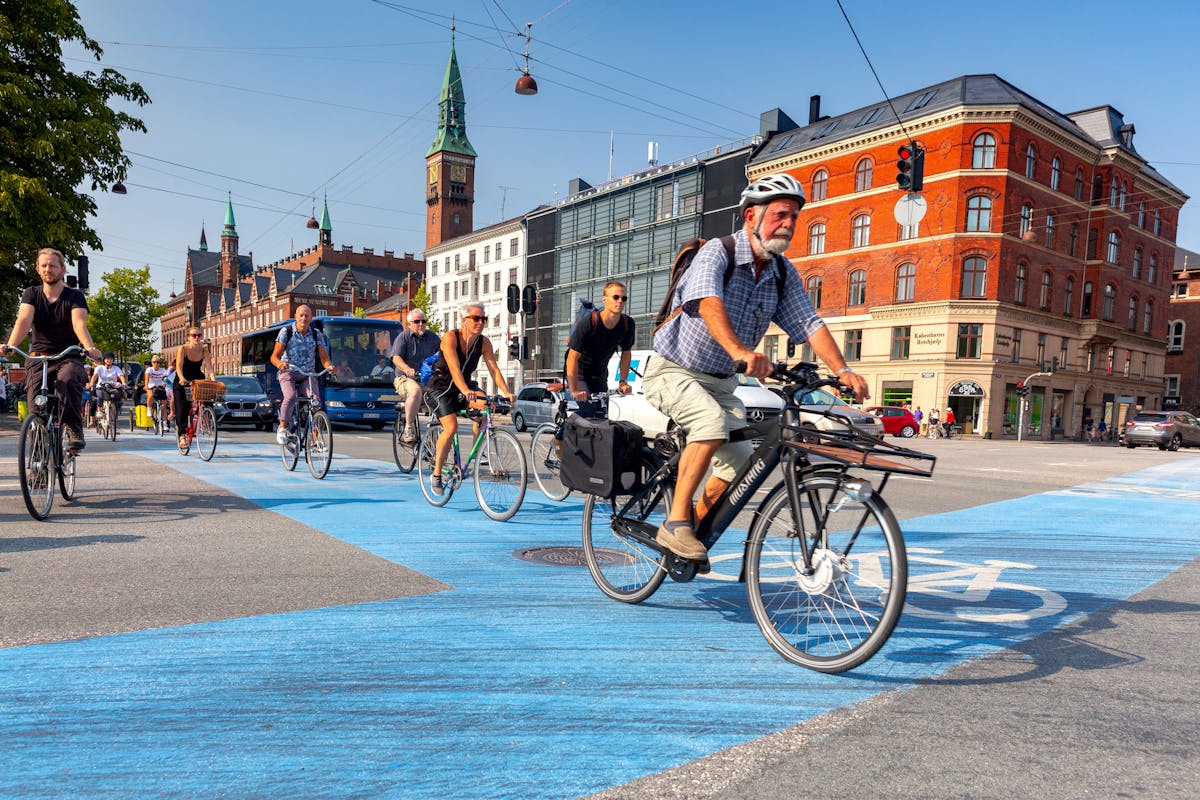

The EU has set ambitious long-term objectives, including a commitment to dramatically reduce road deaths and serious injuries by 2030, and ultimately eliminate them by 2050.
To reach these goals, Member States are increasingly focused on:
- Safer road and junction design
- Improved vehicle safety standards
- Better driver education and enforcement
- Enhanced protection for vulnerable road users
The latest data suggests that while foundations are in place, renewed momentum and targeted action will be essential to close remaining gaps.
A data-driven path forward
Transport statistics play a crucial role in shaping effective policy. By identifying where progress is being made — and where risks remain highest — the EU and its Member States can better direct investment, regulation and public engagement.
The message from the latest figures is clear: Europe is moving in the right direction on road safety, but the journey is far from complete. Turning steady progress into lasting change will require sustained focus, collaboration and commitment across all levels of government and society.